Lizio Marina, Deviatiiarov Ruslan, Nagai Hiroki, Galan Laura, Arner Erik, Itoh Masayoshi, Lassmann Timo, Kasukawa Takeya, Hasegawa Akira, Ros Marian A, Hayashizaki Yoshihide, Carninci Piero, Forrest Alistair R R, Kawaji Hideya, Gusev Oleg, Sheng Guojun
Division of Genomic Technologies, RIKEN Center for Life Science Technologies (CLST), Yokohama, Japan.
RIKEN Omics Science Center (OSC), Yokohama, Japan.
PLoS Biol. 2017 Sep 5;15(9):e2002887. doi: 10.1371/journal.pbio.2002887. eCollection 2017 Sep.
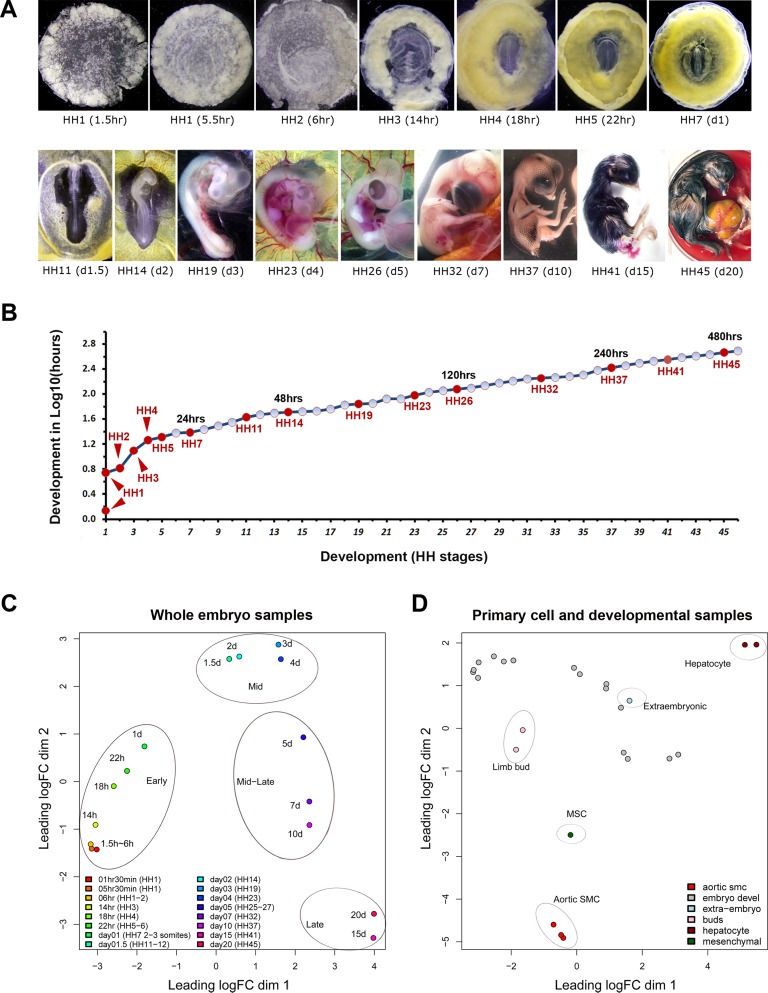
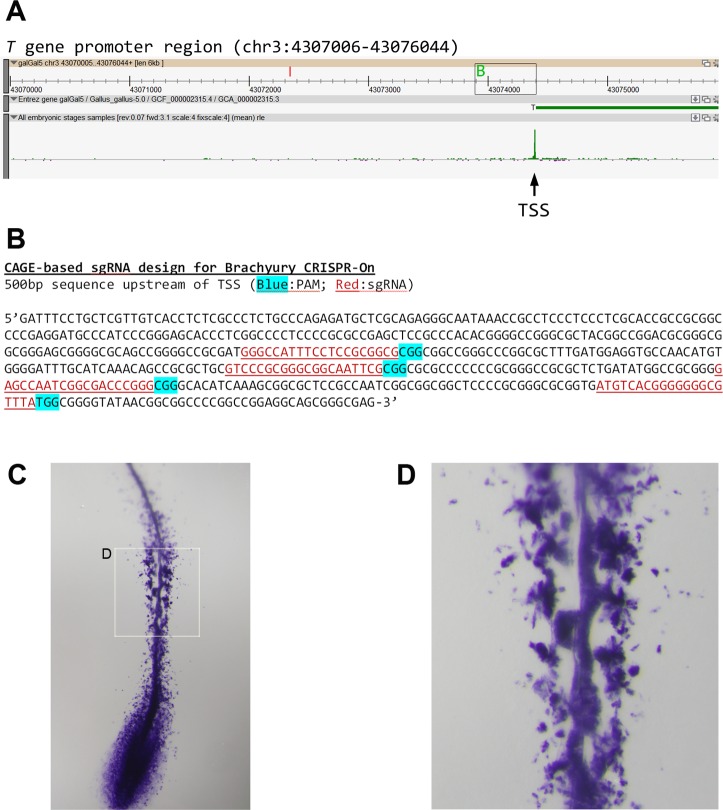
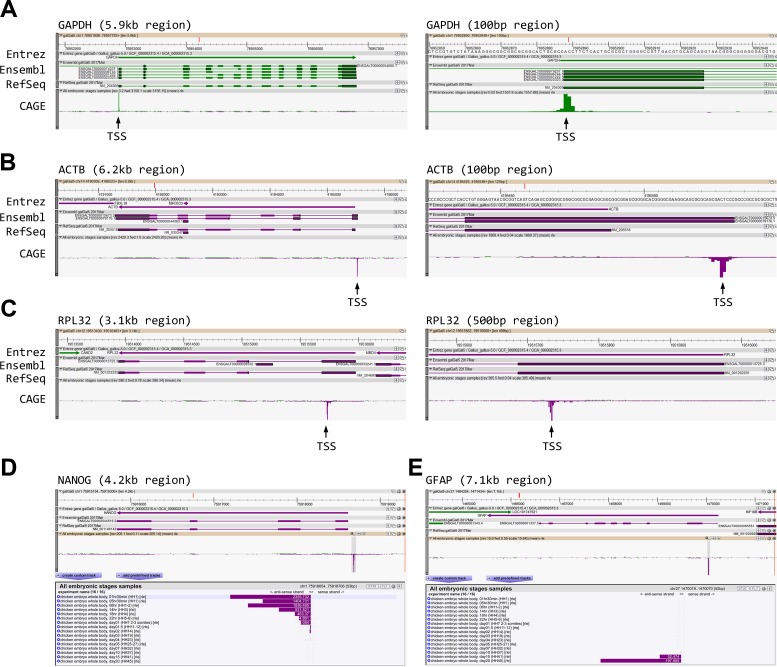
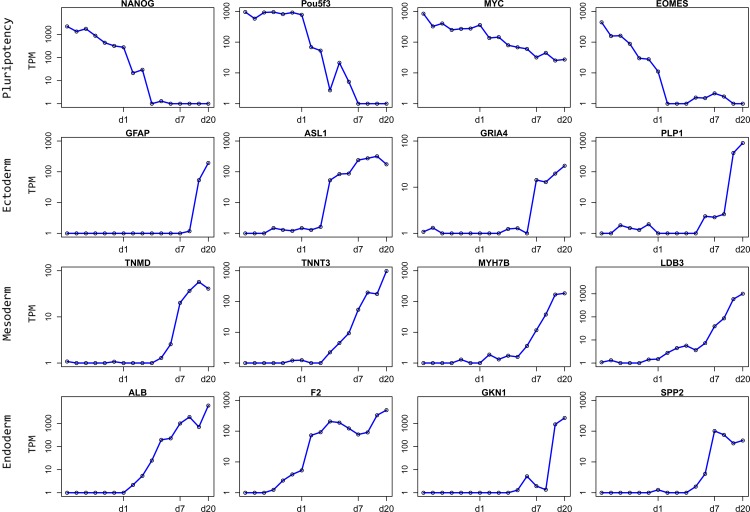
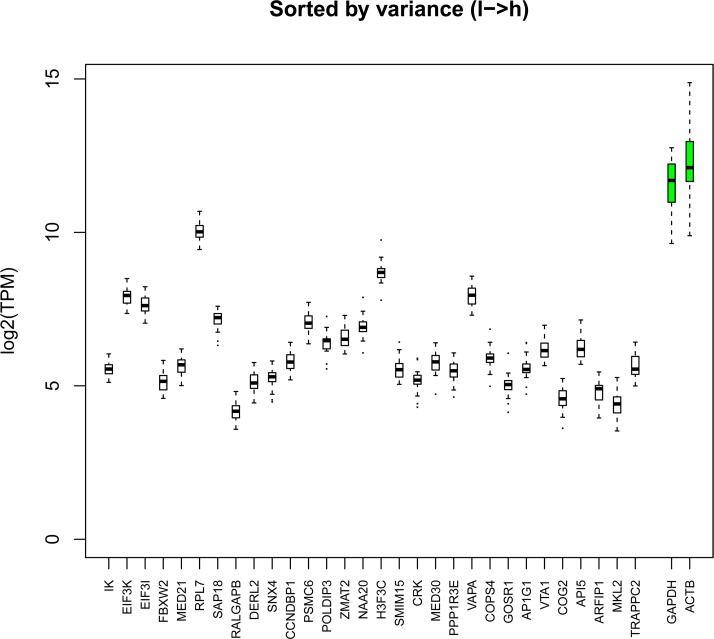
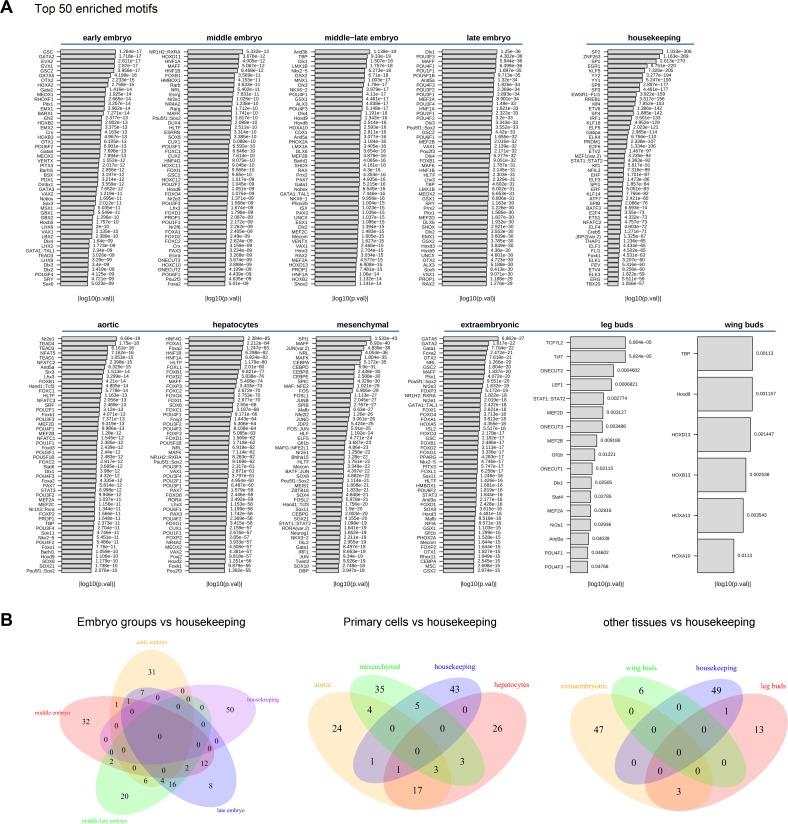
Cap Analysis of Gene Expression (CAGE) in combination with single-molecule sequencing technology allows precision mapping of transcription start sites (TSSs) and genome-wide capture of promoter activities in differentiated and steady state cell populations. Much less is known about whether TSS profiling can characterize diverse and non-steady state cell populations, such as the approximately 400 transitory and heterogeneous cell types that arise during ontogeny of vertebrate animals. To gain such insight, we used the chick model and performed CAGE-based TSS analysis on embryonic samples covering the full 3-week developmental period. In total, 31,863 robust TSS peaks (>1 tag per million [TPM]) were mapped to the latest chicken genome assembly, of which 34% to 46% were active in any given developmental stage. ZENBU, a web-based, open-source platform, was used for interactive data exploration. TSSs of genes critical for lineage differentiation could be precisely mapped and their activities tracked throughout development, suggesting that non-steady state and heterogeneous cell populations are amenable to CAGE-based transcriptional analysis. Our study also uncovered a large set of extremely stable housekeeping TSSs and many novel stage-specific ones. We furthermore demonstrated that TSS mapping could expedite motif-based promoter analysis for regulatory modules associated with stage-specific and housekeeping genes. Finally, using Brachyury as an example, we provide evidence that precise TSS mapping in combination with Clustered Regularly Interspaced Short Palindromic Repeat (CRISPR)-on technology enables us, for the first time, to efficiently target endogenous avian genes for transcriptional activation. Taken together, our results represent the first report of genome-wide TSS mapping in birds and the first systematic developmental TSS analysis in any amniote species (birds and mammals). By facilitating promoter-based molecular analysis and genetic manipulation, our work also underscores the value of avian models in unravelling the complex regulatory mechanism of cell lineage specification during amniote development.
基因表达的帽分析(CAGE)与单分子测序技术相结合,能够精确绘制转录起始位点(TSS),并在分化和稳态细胞群体中全基因组捕获启动子活性。然而,对于TSS分析能否表征多样的非稳态细胞群体,例如脊椎动物个体发育过程中出现的约400种短暂且异质的细胞类型,我们所知甚少。为了获得这方面的见解,我们使用了鸡模型,并对涵盖整个3周发育时期的胚胎样本进行了基于CAGE的TSS分析。总共,31,863个稳健的TSS峰(每百万标签数>1 [TPM])被定位到最新的鸡基因组组装上,其中34%至46%在任何给定的发育阶段都是活跃的。基于网络的开源平台ZENBU被用于交互式数据探索。对谱系分化至关重要的基因的TSS能够被精确绘制,并且它们的活性在整个发育过程中都能被追踪,这表明非稳态和异质细胞群体适合基于CAGE的转录分析。我们的研究还发现了大量极其稳定的管家TSS以及许多新的阶段特异性TSS。此外,我们证明TSS定位可以加速与阶段特异性和管家基因相关的调控模块的基于基序的启动子分析。最后,以Brachyury为例,我们提供证据表明精确的TSS定位与成簇规律间隔短回文重复序列(CRISPR)-on技术相结合,首次使我们能够有效地靶向内源禽类基因进行转录激活。综上所述,我们的结果代表了鸟类全基因组TSS定位的首次报告以及任何羊膜动物物种(鸟类和哺乳动物)的首次系统性发育TSS分析。通过促进基于启动子的分子分析和基因操作,我们的工作还强调了禽类模型在揭示羊膜动物发育过程中细胞谱系特化复杂调控机制方面的价值。