Copley Tanya R, Duggavathi Raj, Jabaji Suha
Plant Science Department, McGill University, Ste-Anne-de-Bellevue, Quebec, Canada.
Animal Science Department, McGill University, Ste-Anne-de-Bellevue, Quebec, Canada.
PLoS One. 2017 Sep 6;12(9):e0184095. doi: 10.1371/journal.pone.0184095. eCollection 2017.
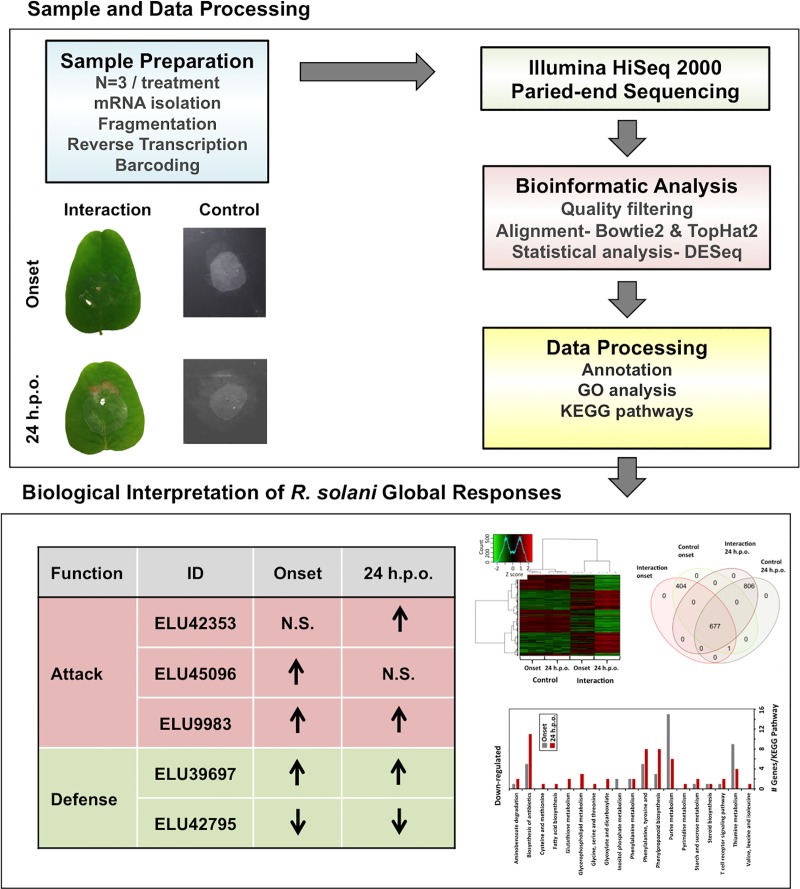
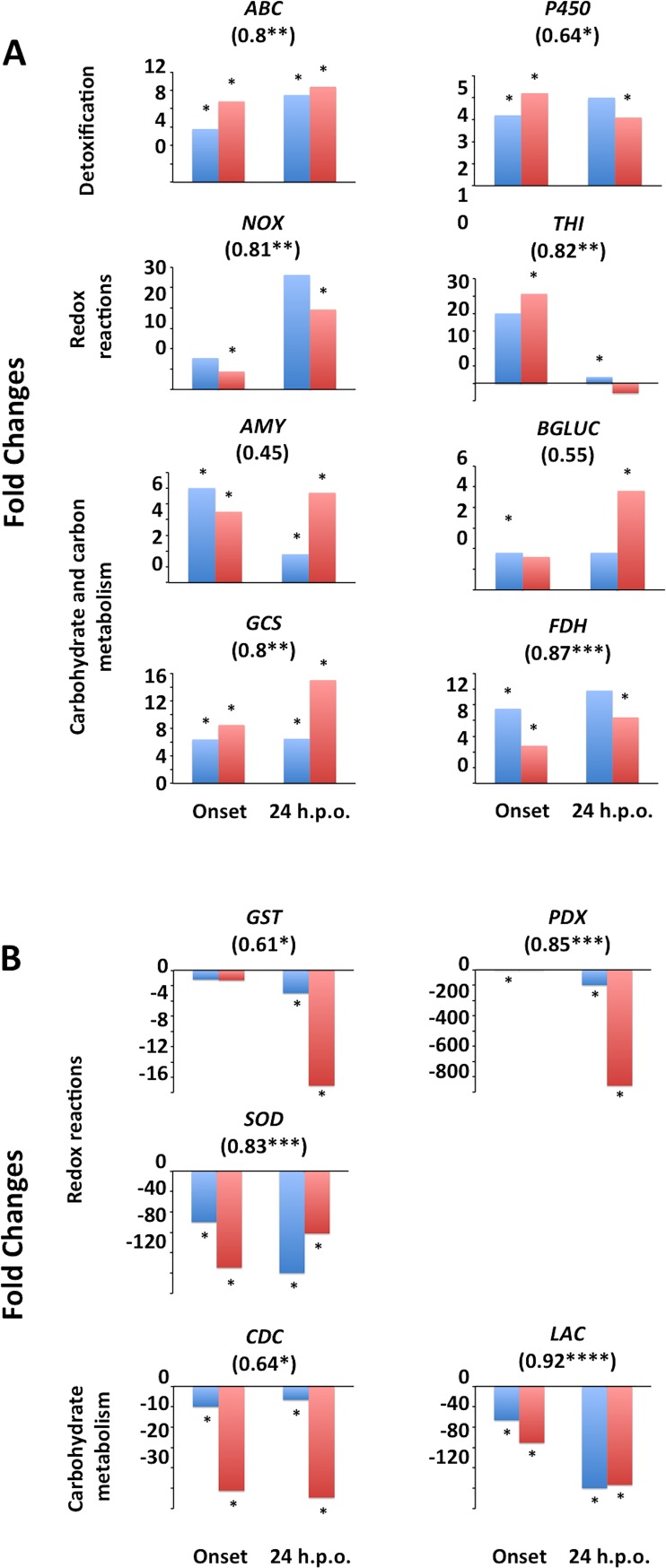
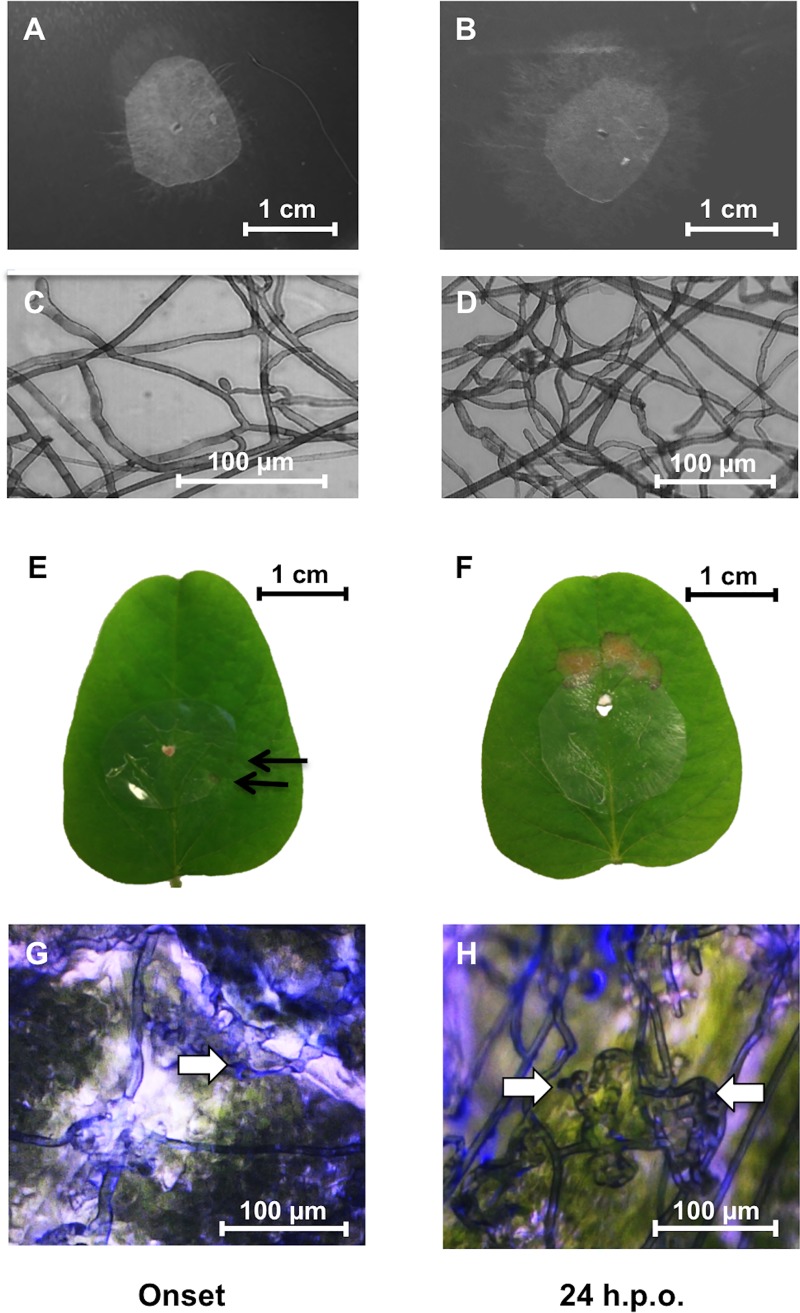
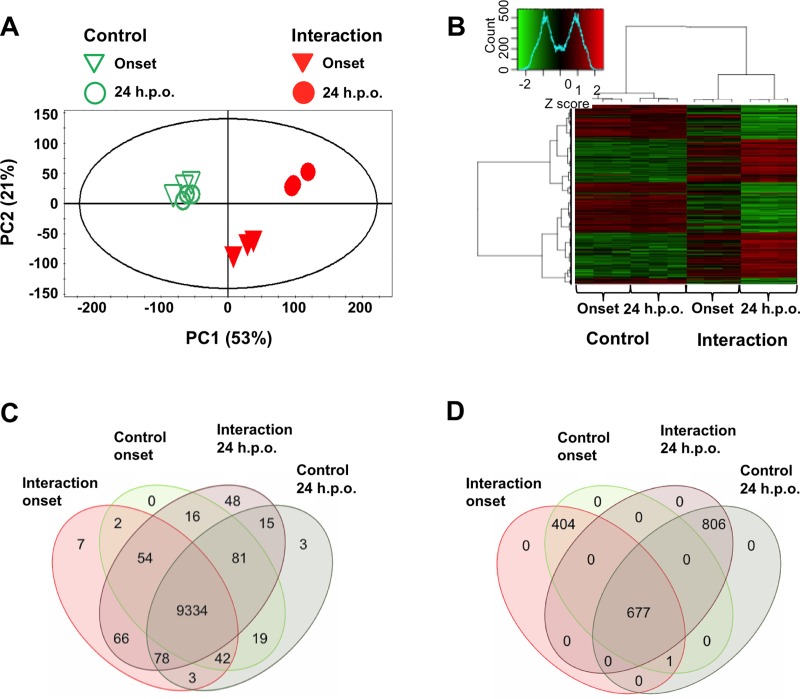
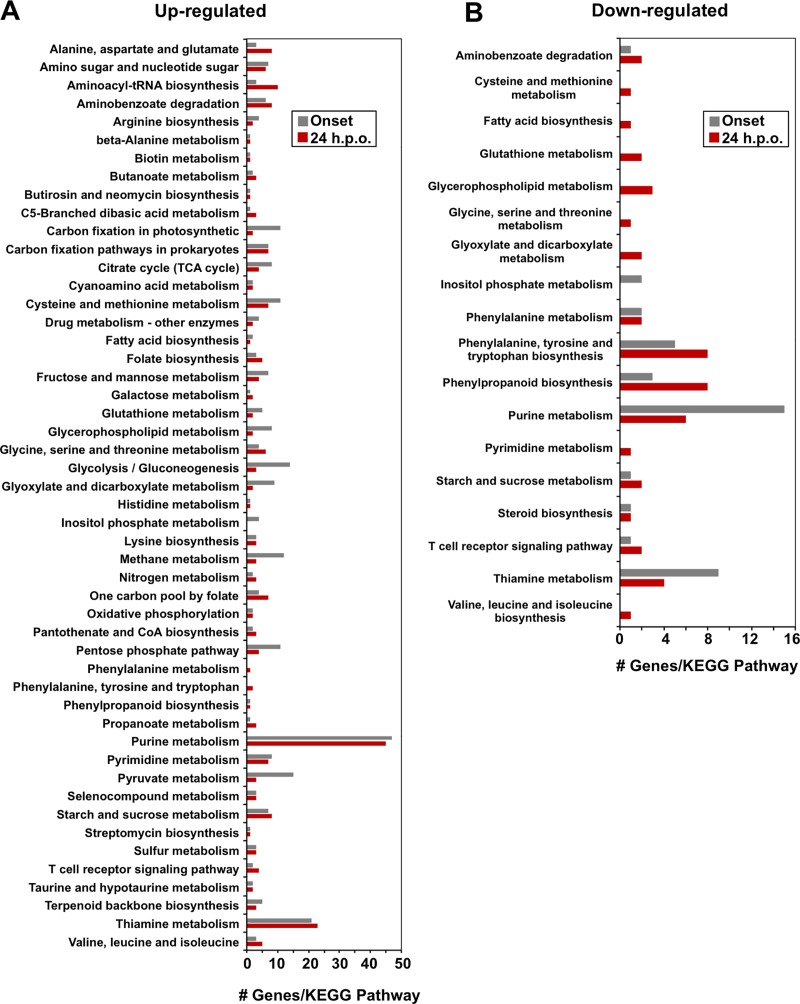
Rhizoctonia solani Kühn infects most plant families and can cause significant agricultural yield losses worldwide; however, plant resistance to this disease is rare and short-lived, and therefore poorly understood, resulting in the use of chemical pesticides for its control. Understanding the functional responses of this pathogen during host infection can help elucidate the molecular mechanisms that are necessary for successful host invasion. Using the pathosystem model soybean-R. solani anastomosis group AG1-IA, we examined the global transcriptional responses of R. solani during early and late infection stages of soybean by applying an RNA-seq approach. Approximately, 148 million clean paired-end reads, representing 93% of R. solani AG1-IA genes, were obtained from the sequenced libraries. Analysis of R. solani AG1-IA transcripts during soybean invasion revealed that most genes were similarly expressed during early and late infection stages, and only 11% and 15% of the expressed genes were differentially expressed during early and late infection stages, respectively. Analyses of the differentially expressed genes (DEGs) revealed shifts in molecular pathways involved in antibiotics biosynthesis, amino acid and carbohydrate metabolism, as well as pathways involved in antioxidant production. Furthermore, several KEGG pathways were unique to each time point, particularly the up-regulation of genes related to toxin degradation (e.g., nicotinate and nicotinamid metabolism) at onset of necrosis, and those linked to synthesis of anti-microbial compounds and pyridoxine (vitamin B6) biosynthesis 24 h.p.o. of necrosis. These results suggest that particular genes or pathways are required for either invasion or disease development. Overall, this study provides the first insights into R. solani AG1-IA transcriptome responses to soybean invasion providing beneficial information for future targeted control methods of this successful pathogen.
立枯丝核菌可感染大多数植物科,在全球范围内可导致严重的农业产量损失;然而,植物对这种病害的抗性罕见且短暂,因此了解甚少,导致人们使用化学农药进行防治。了解这种病原体在宿主感染过程中的功能反应,有助于阐明成功入侵宿主所需的分子机制。利用大豆 - 立枯丝核菌融合群AG1 - IA这一病理系统模型,我们通过RNA测序方法研究了立枯丝核菌在大豆感染早期和晚期的全局转录反应。从测序文库中获得了约1.48亿条干净的双端读数,占立枯丝核菌AG1 - IA基因的93%。对立枯丝核菌AG1 - IA在大豆侵染过程中的转录本分析表明,大多数基因在感染早期和晚期的表达相似,在感染早期和晚期分别只有11%和15%的表达基因存在差异表达。对差异表达基因(DEG)的分析揭示了参与抗生素生物合成、氨基酸和碳水化合物代谢的分子途径以及参与抗氧化剂产生的途径发生了变化。此外,每个时间点都有几个KEGG途径是独特的,特别是在坏死开始时与毒素降解相关的基因(如烟酸盐和烟酰胺代谢)上调,以及在坏死发生后24小时与抗菌化合物合成和吡哆醇(维生素B6)生物合成相关的基因上调。这些结果表明,入侵或疾病发展需要特定的基因或途径。总体而言,本研究首次深入了解了立枯丝核菌AG1 - IA对大豆入侵的转录组反应,为这种成功病原体未来的靶向控制方法提供了有益信息。