Samsatly Jamil, Copley Tanya R, Jabaji Suha H
Plant Science Department, Macdonald Campus, McGill University, Ste-Anne-de-Bellevue, Canada.
PLoS One. 2018 Feb 21;13(2):e0192682. doi: 10.1371/journal.pone.0192682. eCollection 2018.
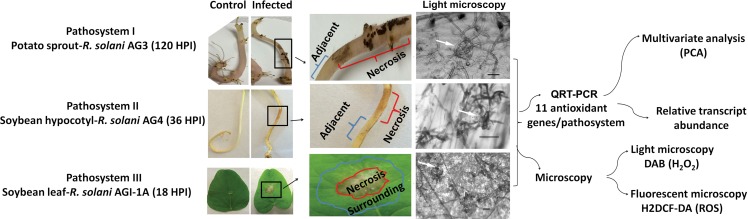
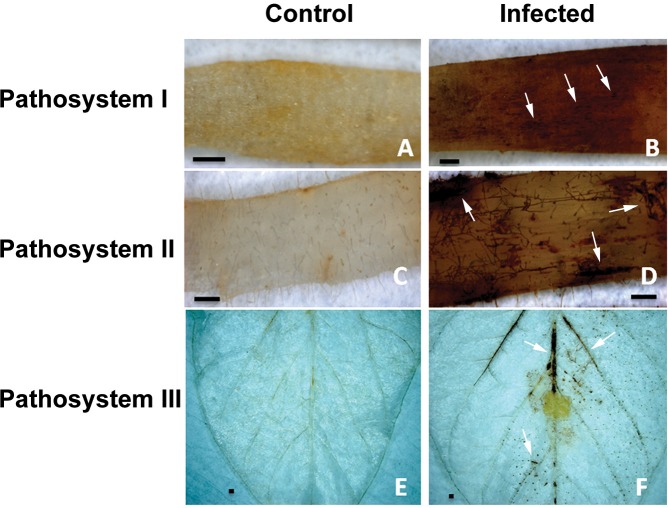
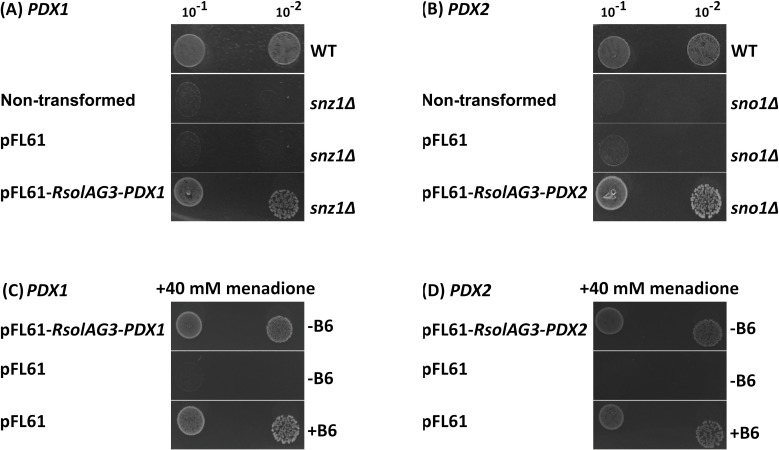
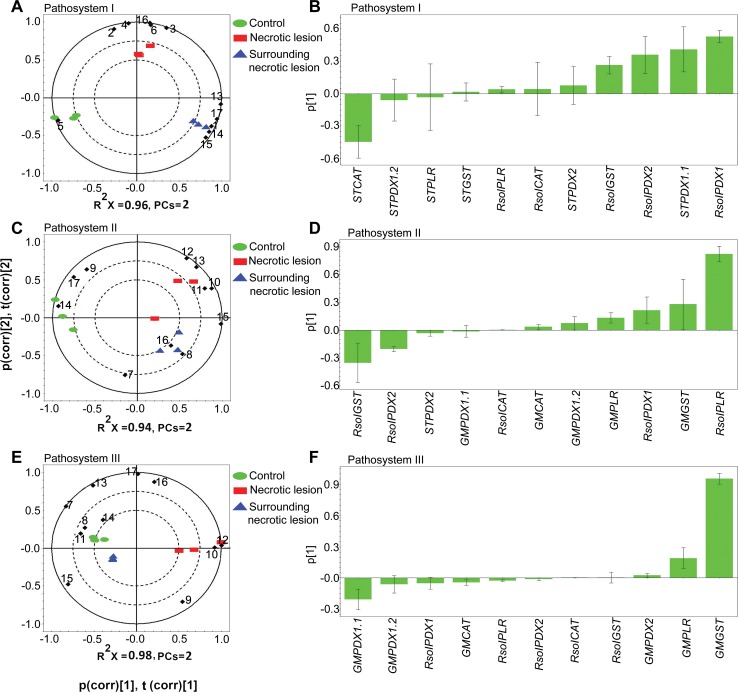
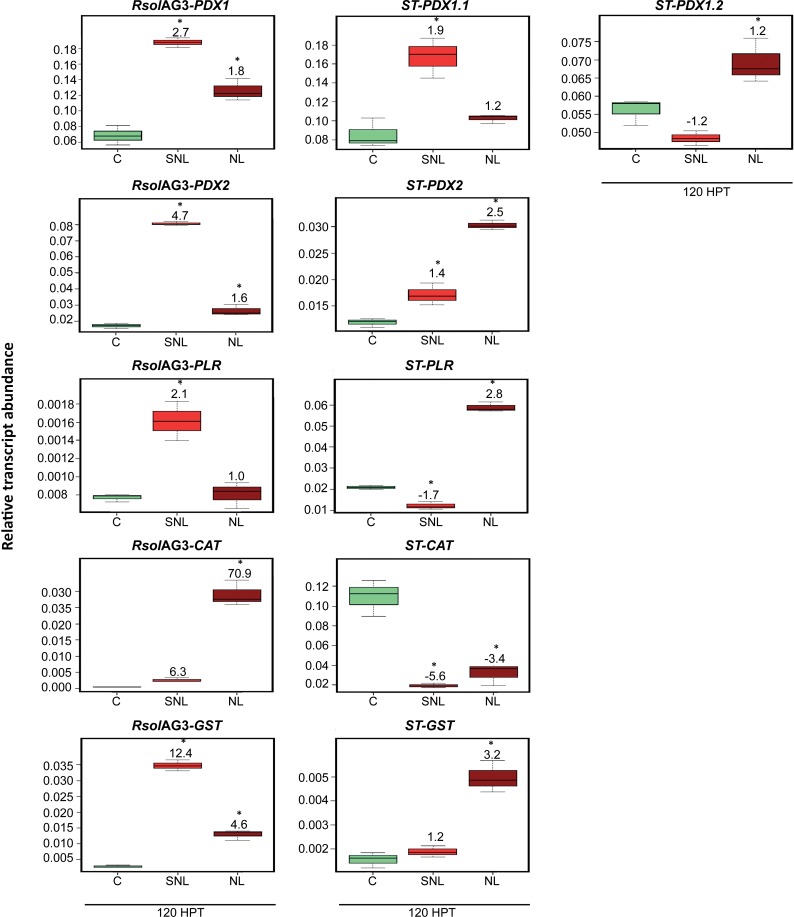
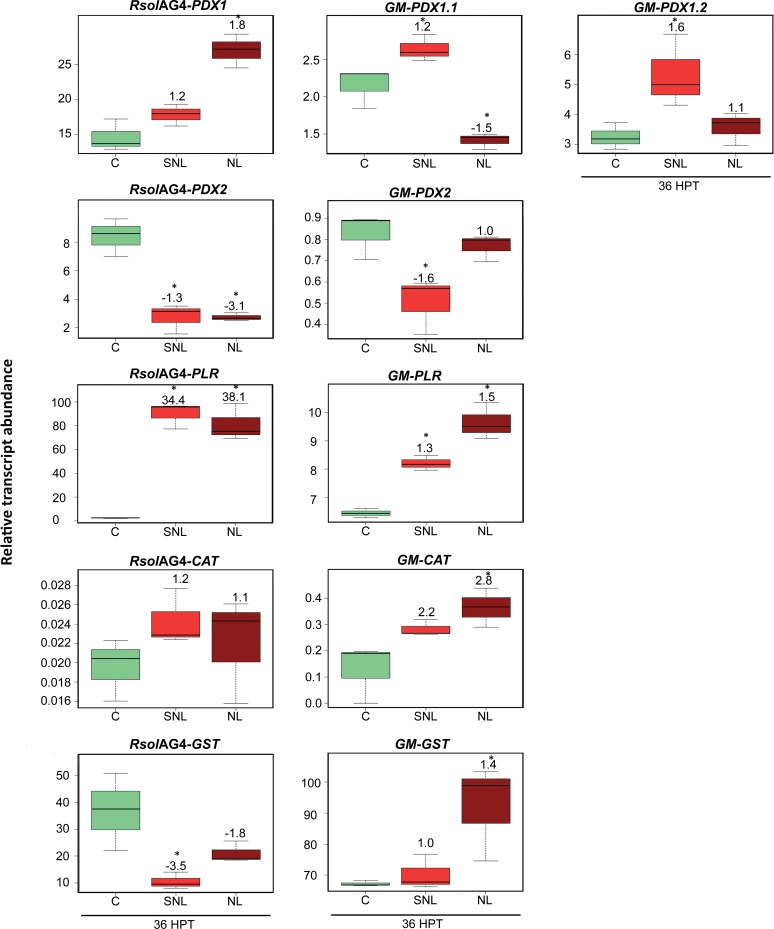
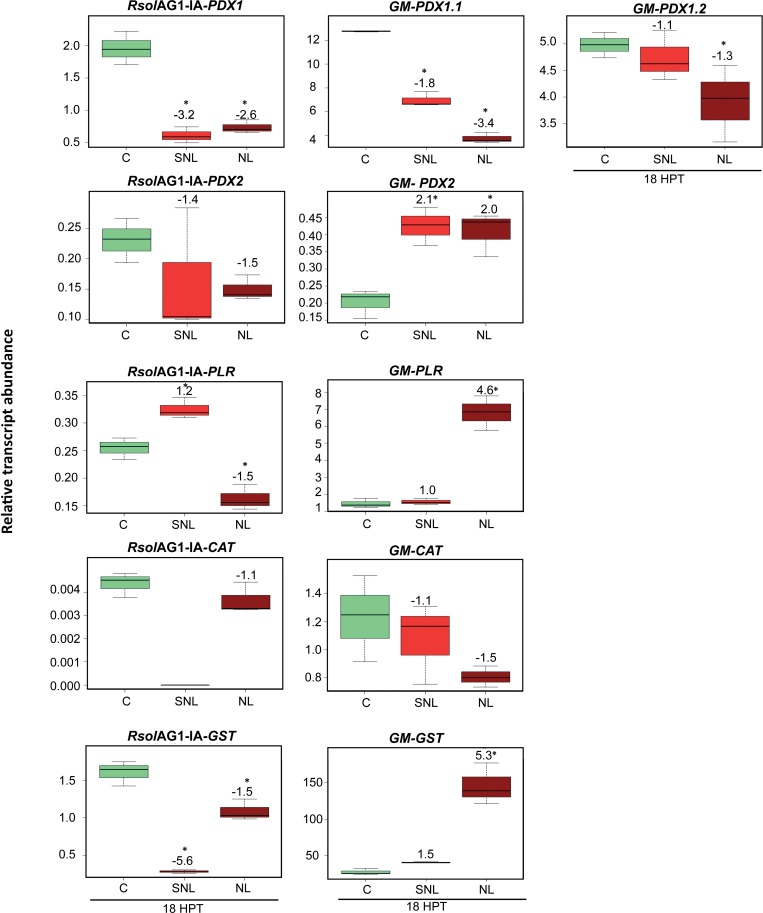
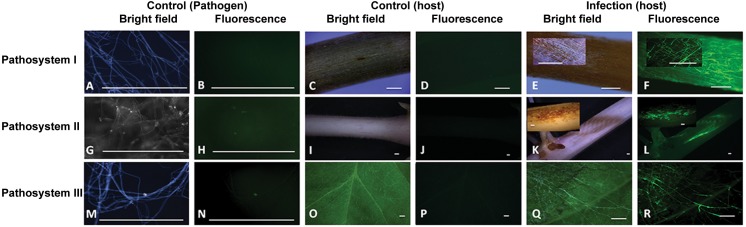
Biotic stress, as a result of plant-pathogen interactions, induces the accumulation of reactive oxygen species in the cells, causing severe oxidative damage to plants and pathogens. To overcome this damage, both the host and pathogen have developed antioxidant systems to quench excess ROS and keep ROS production and scavenging systems under control. Data on ROS-scavenging systems in the necrotrophic plant pathogen Rhizoctonia solani are just emerging. We formerly identified vitamin B6 biosynthetic machinery of R. solani AG3 as a powerful antioxidant exhibiting a high ability to quench ROS, similar to CATALASE (CAT) and GLUTATHIONE S-TRANSFERASE (GST). Here, we provide evidence on the involvement of R. solani vitamin B6 biosynthetic pathway genes; RsolPDX1 (KF620111.1), RsolPDX2 (KF620112.1), and RsolPLR (KJ395592.1) in vitamin B6 de novo biosynthesis by yeast complementation assays. Since gene expression studies focusing on oxidative stress responses of both the plant and the pathogen following R. solani infection are very limited, this study is the first coexpression analysis of genes encoding vitamin B6, CAT and GST in plant and fungal tissues of three pathosystems during interaction of different AG groups of R. solani with their respective hosts. The findings indicate that distinct expression patterns of fungal and host antioxidant genes were correlated in necrotic tissues and their surrounding areas in each of the three R. solani pathosystems: potato sprout-R. solani AG3; soybean hypocotyl-R. solani AG4 and soybean leaves-R. solani AG1-IA interactions. Levels of ROS increased in all types of potato and soybean tissues, and in fungal hyphae following infection of R. solani AGs as determined by non-fluorescence and fluorescence methods using H2DCF-DA and DAB, respectively. Overall, we demonstrate that the co-expression and accumulation of certain plant and pathogen ROS-antioxidant related genes in each pathosystem are highlighted and might be critical during disease development from the plant's point of view, and in pathogenicity and developing of infection structures from the fungal point of view.
植物与病原体相互作用产生的生物胁迫会诱导细胞内活性氧的积累,对植物和病原体造成严重的氧化损伤。为了克服这种损伤,宿主和病原体都已发展出抗氧化系统来清除过量的活性氧,并使活性氧的产生和清除系统处于可控状态。关于坏死营养型植物病原体立枯丝核菌中活性氧清除系统的数据刚刚出现。我们之前鉴定出立枯丝核菌AG3的维生素B6生物合成机制是一种强大的抗氧化剂,具有与过氧化氢酶(CAT)和谷胱甘肽S-转移酶(GST)相似的高活性氧清除能力。在此,我们通过酵母互补试验提供了立枯丝核菌维生素B6生物合成途径基因RsolPDX1(KF620111.1)、RsolPDX2(KF620112.1)和RsolPLR(KJ395592.1)参与维生素B6从头生物合成的证据。由于针对立枯丝核菌感染后植物和病原体氧化应激反应的基因表达研究非常有限,本研究是对立枯丝核菌不同AG组与其各自宿主相互作用期间,三种病理系统的植物和真菌组织中编码维生素B6、CAT和GST的基因进行的首次共表达分析。研究结果表明,在立枯丝核菌的三种病理系统(马铃薯芽-立枯丝核菌AG3;大豆下胚轴-立枯丝核菌AG4;大豆叶片-立枯丝核菌AG1-IA相互作用)中,坏死组织及其周围区域中真菌和宿主抗氧化基因的不同表达模式相互关联。通过分别使用H2DCF-DA和DAB的非荧光和荧光方法测定,在立枯丝核菌AGs感染后,所有类型的马铃薯和大豆组织以及真菌菌丝中的活性氧水平均升高。总体而言,我们证明了每个病理系统中某些植物和病原体活性氧-抗氧化相关基因的共表达和积累很突出,从植物的角度来看,这在疾病发展过程中可能至关重要,从真菌的角度来看,这在致病性和感染结构的形成中可能至关重要。