Karch Christopher P, Doll Tais A P F, Paulillo Sara M, Nebie Issa, Lanar David E, Corradin Giampietro, Burkhard Peter
Institute of Materials Science, University of Connecticut, Storrs, CT, 06269-3136, USA.
Alpha-O Peptides AG, 4125, Riehen, Switzerland.
J Nanobiotechnology. 2017 Sep 6;15(1):62. doi: 10.1186/s12951-017-0295-0.
The parasitic disease malaria remains a major global public health concern and no truly effective vaccine exists. One approach to the development of a malaria vaccine is to target the asexual blood stage that results in clinical symptoms. Most attempts have failed. New antigens such as P27A and P27 have emerged as potential new vaccine candidates. Multiple studies have demonstrated that antigens are more immunogenic and are better correlated with protection when presented on particulate delivery systems. One such particulate delivery system is the self-assembling protein nanoparticle (SAPN) that relies on coiled-coil domains of proteins to form stable nanoparticles. In the past we have used de novo designed amino acid domains to drive the formation of the coiled-coil scaffolds which present the antigenic epitopes on the particle surface.
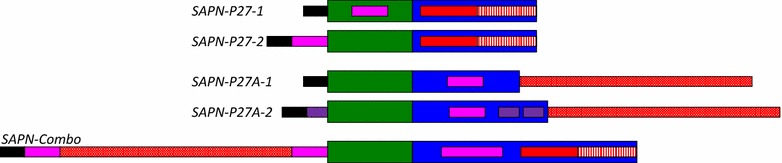
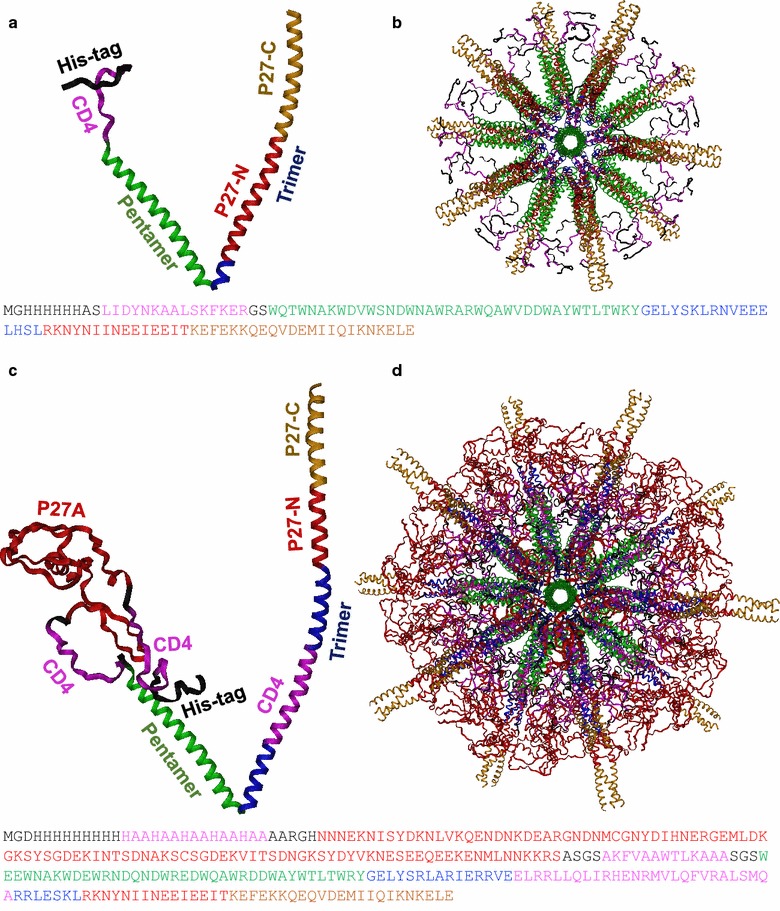
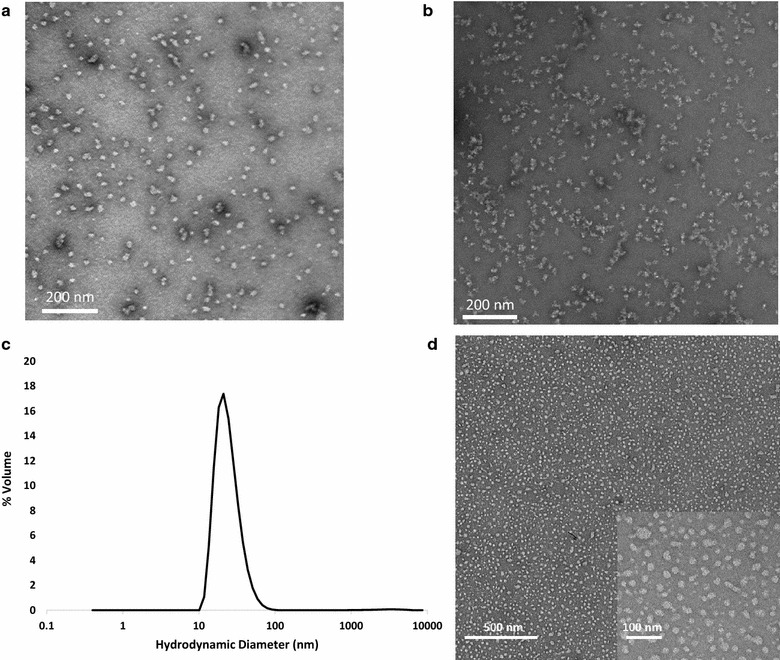
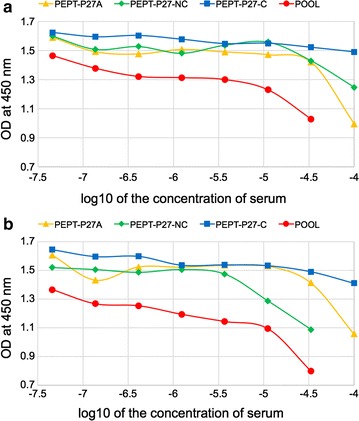
Here we use naturally occurring domains found in the tex1 protein to form the coiled-coil scaffolding of the nanoparticle. Thus, by engineering P27A and a new extended form of the coiled-coil domain P27 onto the N and C terminus of the SAPN protein monomer we have developed a particulate delivery system that effectively displays both antigens on a single particle that uses malaria tex1 sequences to form the nanoparticle scaffold. These particles are immunogenic in a murine model and induce immune responses similar to the ones observed in seropositive individuals in malaria endemic regions.
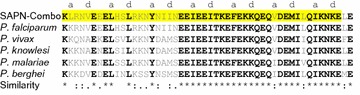
We demonstrate that our P27/P27A-SAPNs induce an immune response akin to the one in seropositive individuals in Burkina Faso. Since P27 is highly conserved among different Plasmodium species, these novel SAPNs may even provide cross-protection between Plasmodium falciparum and Plasmodium vivax the two major human malaria pathogens. As the SAPNs are also easy to manufacture and store they can be delivered to the population in need without complication thus providing a low cost malaria vaccine.
寄生虫病疟疾仍然是全球主要的公共卫生问题,目前尚无真正有效的疫苗。开发疟疾疫苗的一种方法是针对导致临床症状的无性血液阶段。大多数尝试都失败了。诸如P27A和P27等新抗原已成为潜在的新型疫苗候选物。多项研究表明,当抗原呈递在颗粒递送系统上时,其免疫原性更强,且与保护作用的相关性更好。一种这样的颗粒递送系统是自组装蛋白纳米颗粒(SAPN),它依靠蛋白质的卷曲螺旋结构域形成稳定的纳米颗粒。过去,我们使用从头设计的氨基酸结构域来驱动卷曲螺旋支架的形成,这些支架在颗粒表面呈现抗原表位。
在这里,我们使用在tex1蛋白中发现的天然结构域来形成纳米颗粒的卷曲螺旋支架。因此,通过将P27A和一种新的扩展形式的卷曲螺旋结构域P27工程化到SAPN蛋白单体的N端和C端,我们开发了一种颗粒递送系统,该系统能在单个颗粒上有效展示两种抗原,且该颗粒利用疟疾tex1序列形成纳米颗粒支架。这些颗粒在小鼠模型中具有免疫原性,并诱导出与疟疾流行地区血清阳性个体中观察到的免疫反应相似的免疫反应。
我们证明,我们的P27/P27A - SAPNs诱导的免疫反应类似于布基纳法索血清阳性个体中的免疫反应。由于P27在不同疟原虫物种中高度保守,这些新型SAPNs甚至可能在恶性疟原虫和间日疟原虫这两种主要的人类疟疾病原体之间提供交叉保护。由于SAPNs也易于制造和储存,它们可以毫无并发症地递送给有需要的人群,从而提供一种低成本的疟疾疫苗。