Section of Nephrology, The University of Texas MD Anderson Cancer Center, Houston, Texas, USA.
Department of Pharmacology and Chemical Biology, Baylor College of Medicine, Houston, Texas, USA.
Kidney Int. 2017 Nov;92(5):1051-1057. doi: 10.1016/j.kint.2017.05.034.
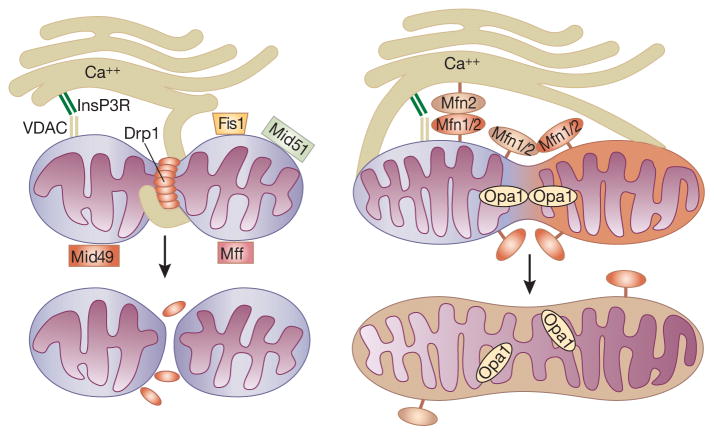
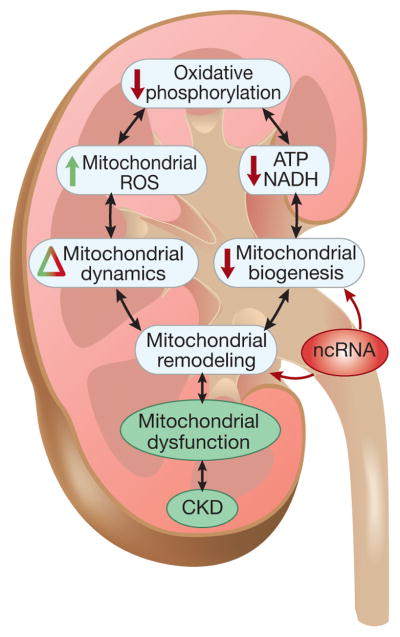
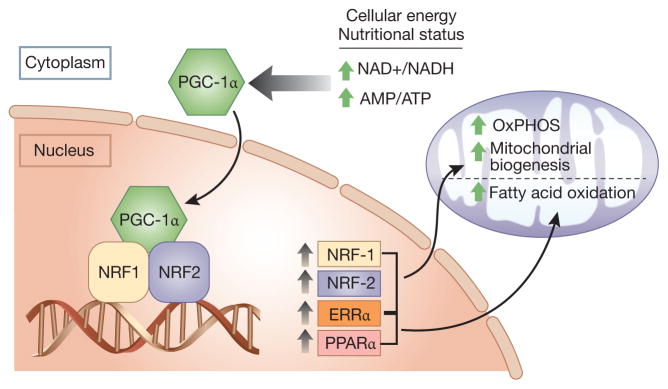
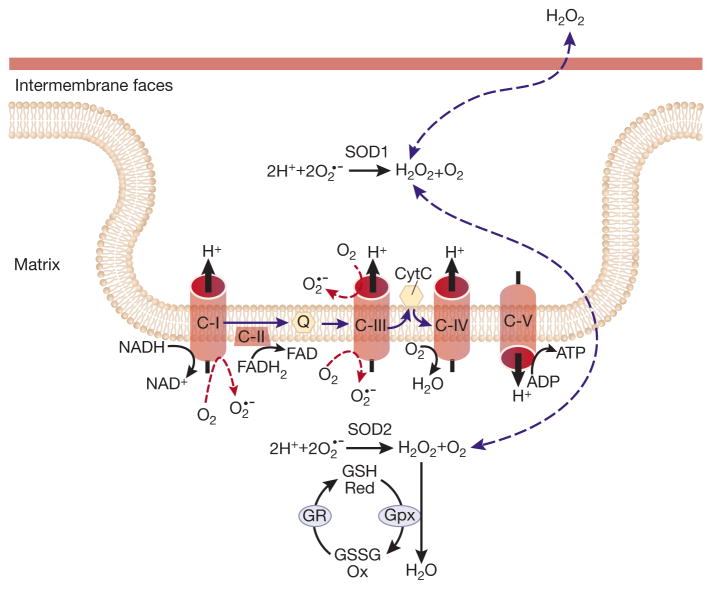
Recent advances have led to a greater appreciation of how mitochondrial dysfunction contributes to diverse acute and chronic pathologies. Indeed, mitochondria have received increasing attention as a therapeutic target in a variety of diseases because they serve as key regulatory hubs uniquely situated at crossroads between multiple cellular processes. This review provides an overview of the role of mitochondrial dysfunction in chronic kidney disease, with special emphasis on its role in the development of diabetic nephropathy. We examine the current understanding of the molecular mechanisms that cause mitochondrial dysfunction in the kidney and describe the impact of mitochondrial damage on kidney function. The new concept that mitochondrial shape and structure are closely linked with its function in the kidneys is discussed. Furthermore, the mechanisms that translate cellular cues and demands into mitochondrial remodeling and cellular damage, including the role of microRNAs and long noncoding RNAs, are examined with the final goal of identifying mitochondrial targets to improve treatment of patients with chronic kidney diseases.
最近的进展使人们更加认识到线粒体功能障碍如何导致多种急性和慢性病理。事实上,由于线粒体作为各种疾病治疗靶点的重要性日益增加,它们作为关键的调节枢纽,独特地位于多个细胞过程的交汇点。 本综述概述了线粒体功能障碍在慢性肾脏病中的作用,特别强调其在糖尿病肾病发展中的作用。我们检查了导致肾脏中线粒体功能障碍的分子机制的现有认识,并描述了线粒体损伤对肾脏功能的影响。讨论了线粒体形状和结构与其在肾脏中的功能密切相关的新概念。此外,还研究了将细胞信号和需求转化为线粒体重塑和细胞损伤的机制,包括 microRNAs 和长非编码 RNA 的作用,最终目的是确定线粒体靶标以改善慢性肾脏病患者的治疗。