Research, Central Texas Veterans Health Care System, Temple, TX, 76504, USA.
Department of Medicine, Texas A&M College of Medicine, Temple, TX, 76504, USA.
Sci Rep. 2017 Sep 11;7(1):11183. doi: 10.1038/s41598-017-10694-3.
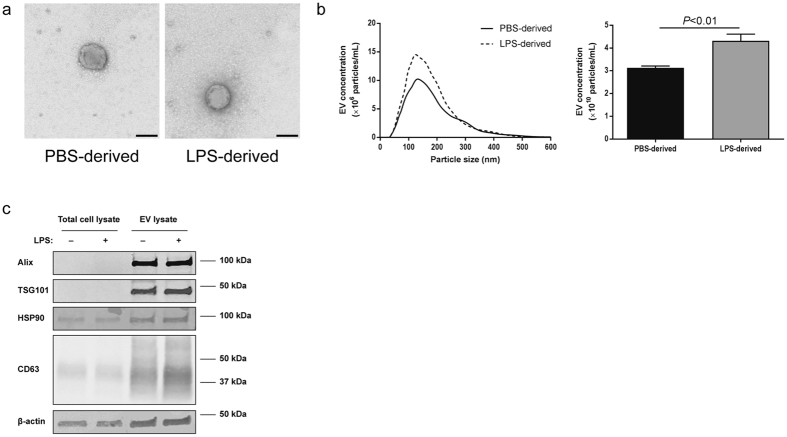
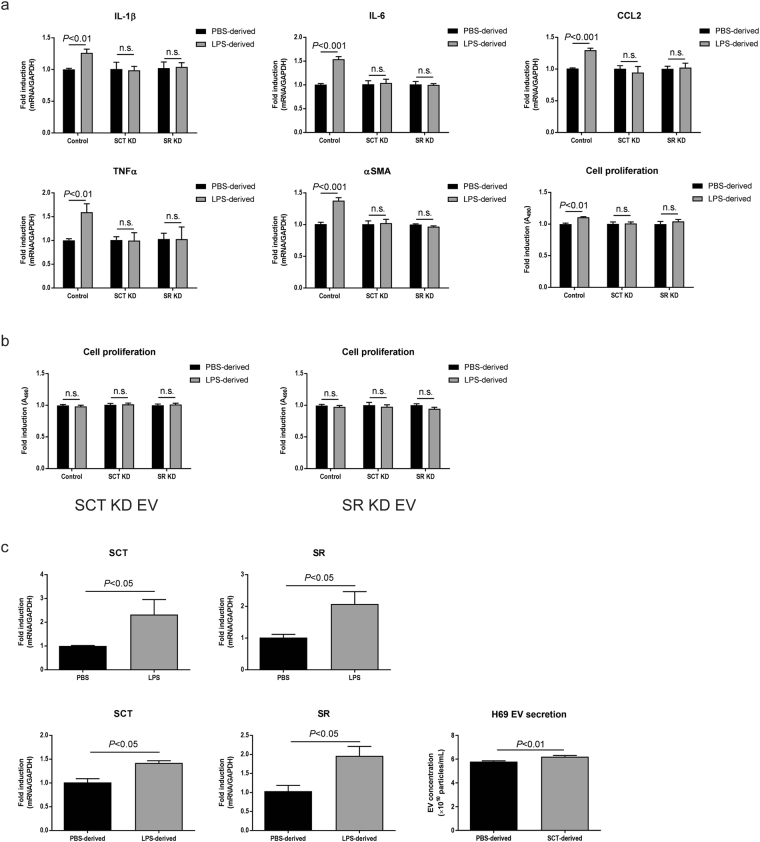
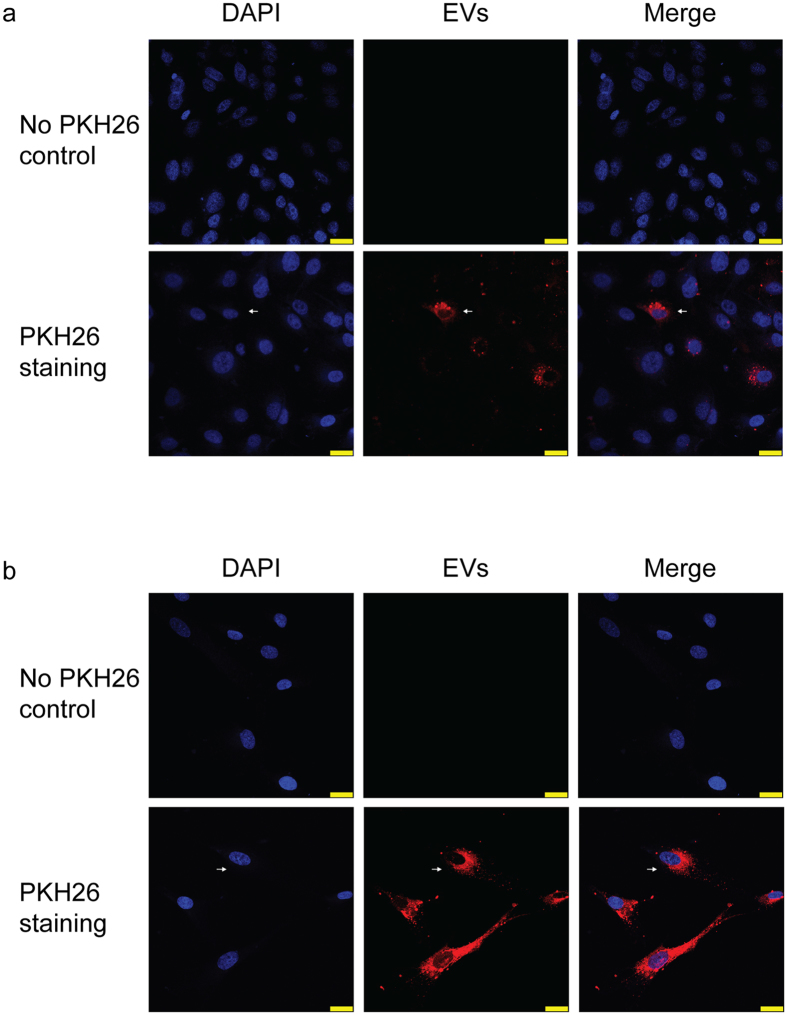
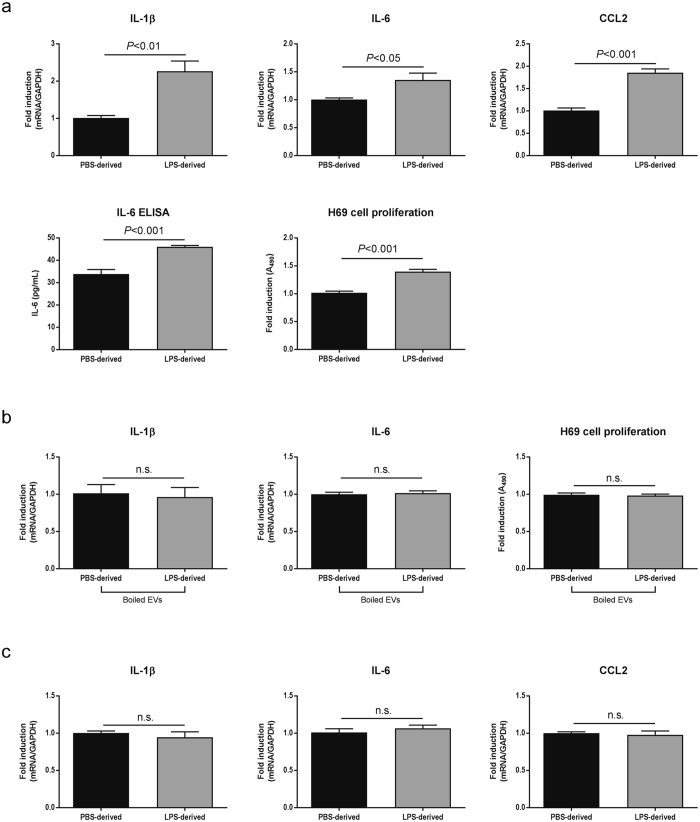
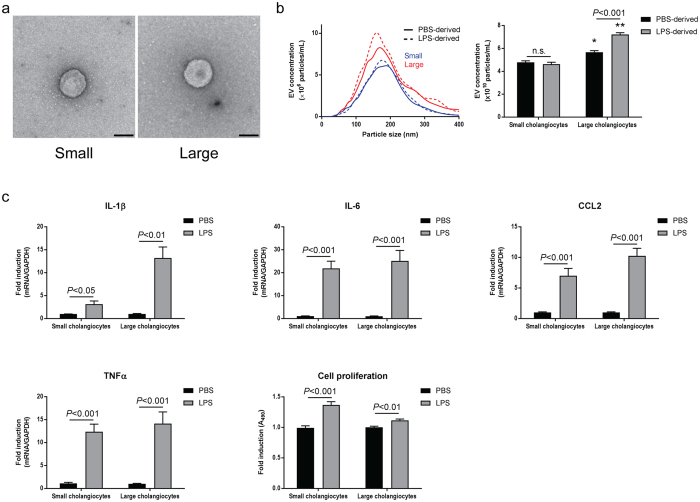
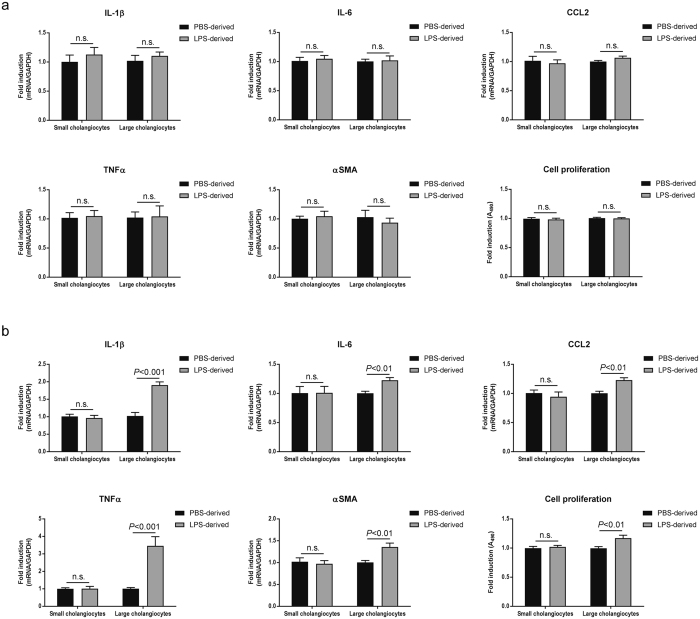
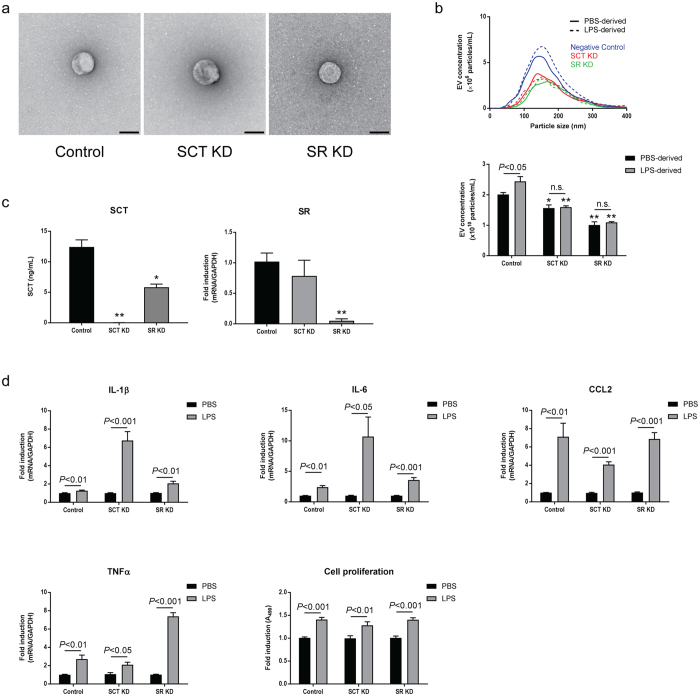
Small and large intrahepatic bile ducts consist of small and large cholangiocytes, respectively, and these cholangiocytes have different morphology and functions. The gastrointestinal peptide hormone, secretin (SCT) that binds to secretin receptor (SR), is a key mediator in cholangiocyte pathophysiology. Extracellular vesicles (EVs) are membrane-bound vesicles and cell-cell EV communication is recognized as an important factor in liver pathology, although EV communication between cholangiocytes is not identified to date. Cholangiocytes secrete proinflammatory cytokines during bacterial infection leading to biliary inflammation and hyperplasia. We demonstrate that cholangiocytes stimulated with lipopolysaccharide (LPS), which is a membrane component of gram-negative bacteria, secrete more EVs than cholangiocytes incubated with vehicle. These LPS-derived EVs induce inflammatory responses in other cholangiocytes including elevated cytokine production and cell proliferation. Large but not small cholangiocytes show inflammatory responses against large but not small cholangiocyte-derived EVs. Large cholangiocytes with knocked down either SCT or SR by short hairpin RNAs show reduced EV secretion during LPS stimulation, and EVs isolated from SCT or SR knocked down cholangiocytes fail to induce inflammatory reactions in control large cholangiocytes. This study identifies cholangiocyte EV communication during LPS stimulation, and demonstrates that the SCT/SR axis may be important for this event.
小和大的肝内胆管分别由小和大的胆管细胞组成,这些胆管细胞具有不同的形态和功能。与胆囊收缩素受体 (SR) 结合的胃肠道肽激素胆囊收缩素 (SCT) 是胆管细胞病理生理学的关键介质。细胞外囊泡 (EVs) 是具有膜的囊泡,细胞间 EV 通讯被认为是肝病理学中的一个重要因素,尽管目前尚未确定胆管细胞之间的 EV 通讯。胆管细胞在细菌感染时会分泌促炎细胞因子,导致胆汁炎症和增生。我们证明,与用载体孵育的胆管细胞相比,用脂多糖 (LPS) 刺激的胆管细胞会分泌更多的 EVs,LPS 是革兰氏阴性菌的膜成分。这些 LPS 衍生的 EVs 会在其他胆管细胞中诱导炎症反应,包括细胞因子产生和细胞增殖增加。大胆管细胞对大 EVs 而非小 EVs 表现出炎症反应,而小胆管细胞对大 EVs 和小 EVs 均无反应。用短发夹 RNA 敲低 SCT 或 SR 的大胆管细胞在 LPS 刺激下显示 EV 分泌减少,并且从小胆管细胞中分离出的 SCT 或 SR 敲低的 EV 无法诱导对照大胆管细胞中的炎症反应。这项研究确定了 LPS 刺激期间胆管细胞 EV 通讯,并表明 SCT/SR 轴可能对此事件很重要。