Hasan Md Mehedi, Khatun Mst Shamima, Mollah Md Nurul Haque, Yong Cao, Guo Dianjing
School of Life Sciences and the State Key Laboratory of Agrobiotechnology, The Chinese University of Hong Kong, Shatin, New Territory, Hong Kong, People's Republic of China.
Laboratory of Bioinformatics, Department of Statistics, University of Rajshahi, Rajshahi, Bangladesh.
Int J Nanomedicine. 2017 Aug 28;12:6303-6315. doi: 10.2147/IJN.S140875. eCollection 2017.
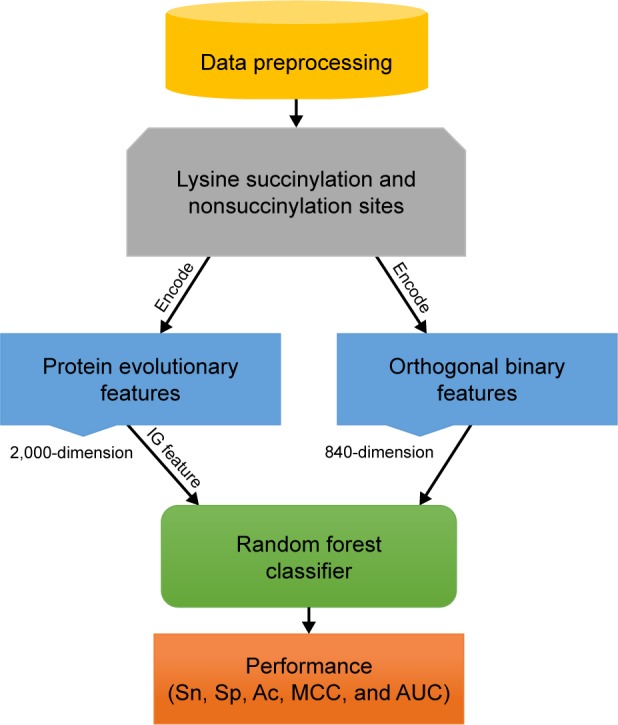
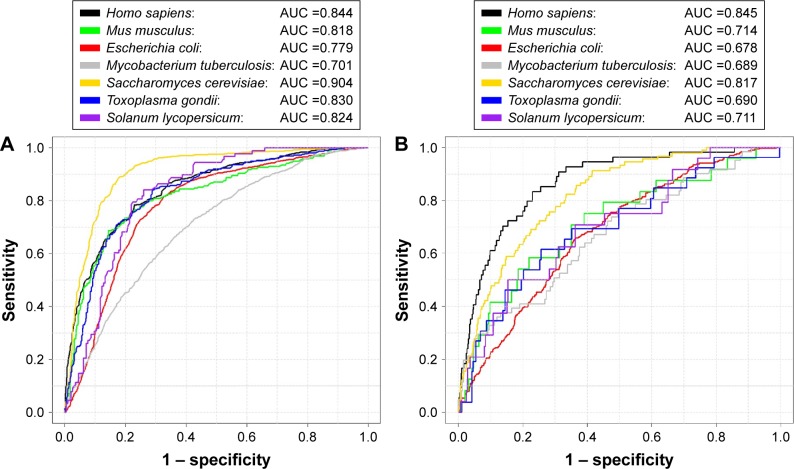
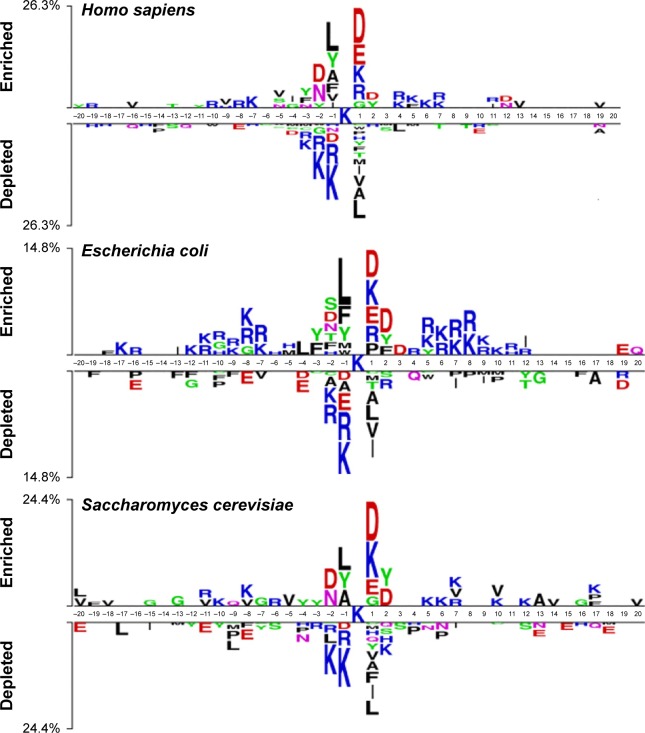
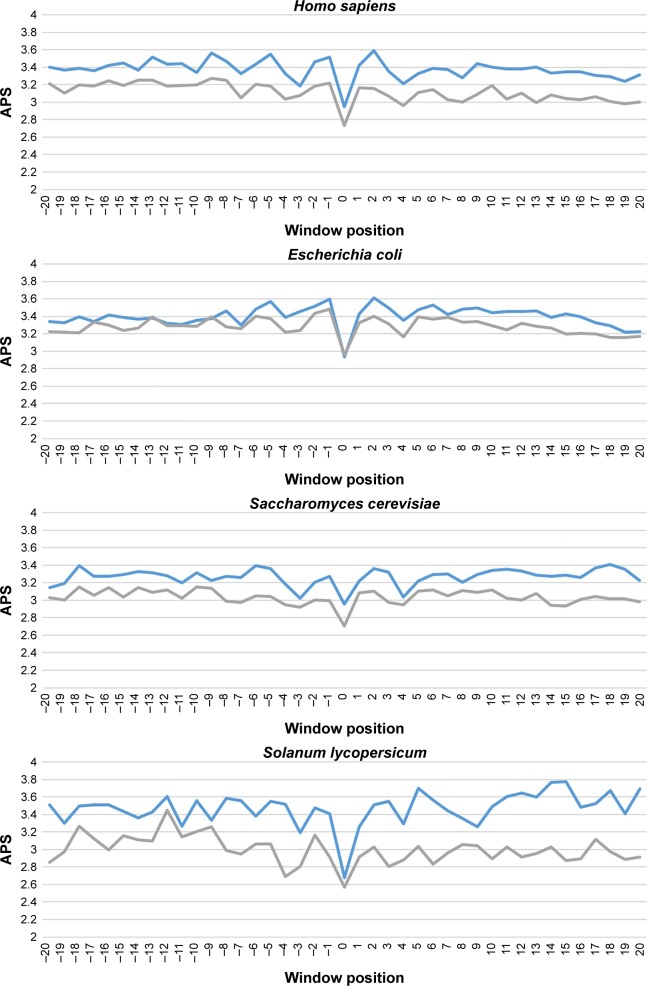
Lysine succinylation, an important type of protein posttranslational modification, plays significant roles in many cellular processes. Accurate identification of succinylation sites can facilitate our understanding about the molecular mechanism and potential roles of lysine succinylation. However, even in well-studied systems, a majority of the succinylation sites remain undetected because the traditional experimental approaches to succinylation site identification are often costly, time-consuming, and laborious. In silico approach, on the other hand, is potentially an alternative strategy to predict succinylation substrates. In this paper, a novel computational predictor SuccinSite2.0 was developed for predicting generic and species-specific protein succinylation sites. This predictor takes the composition of profile-based amino acid and orthogonal binary features, which were used to train a random forest classifier. We demonstrated that the proposed SuccinSite2.0 predictor outperformed other currently existing implementations on a complementarily independent dataset. Furthermore, the important features that make visible contributions to species-specific and cross-species-specific prediction of protein succinylation site were analyzed. The proposed predictor is anticipated to be a useful computational resource for lysine succinylation site prediction. The integrated species-specific online tool of SuccinSite2.0 is publicly accessible.
赖氨酸琥珀酰化是一种重要的蛋白质翻译后修饰类型,在许多细胞过程中发挥着重要作用。准确鉴定琥珀酰化位点有助于我们理解赖氨酸琥珀酰化的分子机制和潜在作用。然而,即使在研究充分的系统中,大多数琥珀酰化位点仍未被检测到,因为传统的琥珀酰化位点鉴定实验方法通常成本高、耗时且费力。另一方面,计算机方法可能是预测琥珀酰化底物的一种替代策略。在本文中,开发了一种新型的计算预测工具SuccinSite2.0,用于预测通用和物种特异性的蛋白质琥珀酰化位点。该预测工具采用基于轮廓的氨基酸组成和正交二元特征,用于训练随机森林分类器。我们证明,在一个互补独立的数据集上,所提出的SuccinSite2.0预测工具优于其他现有的工具。此外,还分析了对蛋白质琥珀酰化位点的物种特异性和跨物种特异性预测有显著贡献的重要特征。所提出的预测工具有望成为赖氨酸琥珀酰化位点预测的有用计算资源。SuccinSite2.0的集成物种特异性在线工具可公开访问。