Zanolli Clément, Hourset Mathilde, Esclassan Rémi, Mollereau Catherine
Laboratoire d'Anthropologie Moléculaire et Imagerie de Synthèse (AMIS), UMR5288 CNRS - Université de Toulouse, Toulouse, France.
Faculté de chirurgie dentaire, Université de Toulouse, Toulouse, France.
PLoS One. 2017 Sep 13;12(9):e0183802. doi: 10.1371/journal.pone.0183802. eCollection 2017.
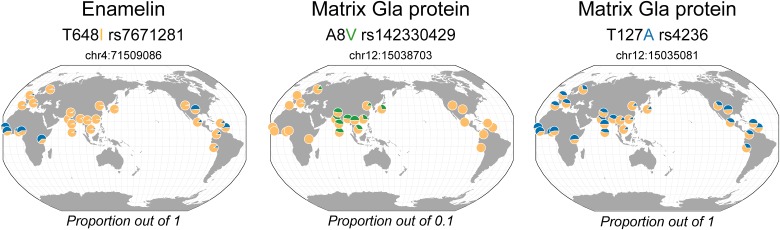
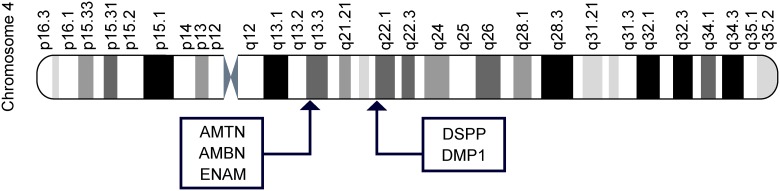
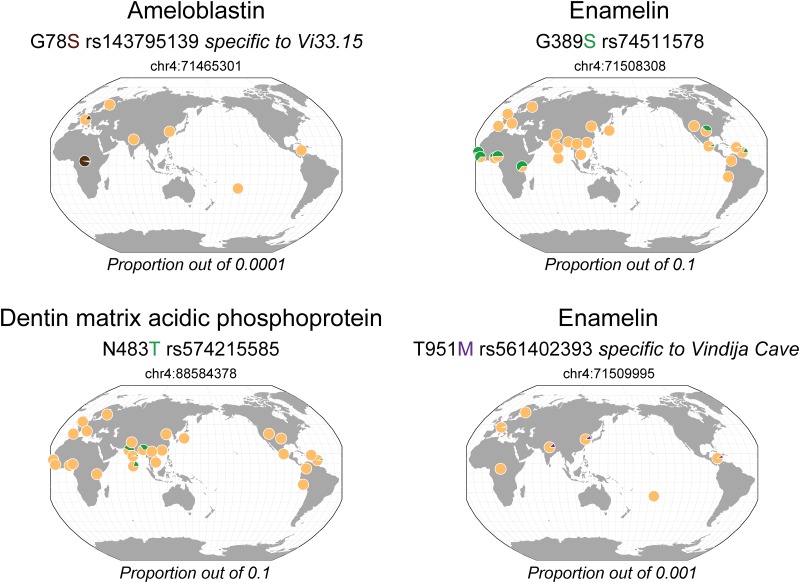
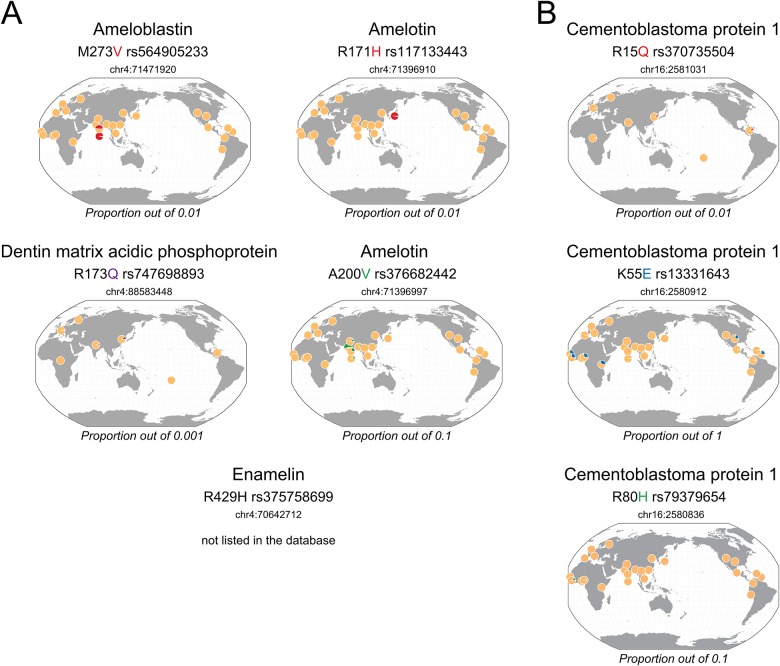
Environment parameters, diet and genetic factors interact to shape tooth morphostructure. In the human lineage, archaic and modern hominins show differences in dental traits, including enamel thickness, but variability also exists among living populations. Several polymorphisms, in particular in the non-collagenous extracellular matrix proteins of the tooth hard tissues, like enamelin, are involved in dental structure variation and defects and may be associated with dental disorders or susceptibility to caries. To gain insights into the relationships between tooth protein polymorphisms and dental structural morphology and defects, we searched for non-synonymous polymorphisms in tooth proteins from Neanderthal and Denisova hominins. The objective was to identify archaic-specific missense variants that may explain the dental morphostructural variability between extinct and modern humans, and to explore their putative impact on present-day dental phenotypes. Thirteen non-collagenous extracellular matrix proteins specific to hard dental tissues have been selected, searched in the publicly available sequence databases of Neanderthal and Denisova individuals and compared with modern human genome data. A total of 16 non-synonymous polymorphisms were identified in 6 proteins (ameloblastin, amelotin, cementum protein 1, dentin matrix acidic phosphoprotein 1, enamelin and matrix Gla protein). Most of them are encoded by dentin and enamel genes located on chromosome 4, previously reported to show signs of archaic introgression within Africa. Among the variants shared with modern humans, two are ancestral (common with apes) and one is the derived enamelin major variant, T648I (rs7671281), associated with a thinner enamel and specific to the Homo lineage. All the others are specific to Neanderthals and Denisova, and are found at a very low frequency in modern Africans or East and South Asians, suggesting that they may be related to particular dental traits or disease susceptibility in these populations. This modern regional distribution of archaic dental polymorphisms may reflect persistence of archaic variants in some populations and may contribute in part to the geographic dental variations described in modern humans.
环境参数、饮食和遗传因素相互作用,塑造牙齿的形态结构。在人类谱系中,古代和现代人类在牙齿特征上存在差异,包括牙釉质厚度,但现存人群中也存在变异性。一些多态性,特别是牙齿硬组织的非胶原蛋白细胞外基质蛋白(如釉原蛋白)中的多态性,与牙齿结构变异和缺陷有关,可能与牙齿疾病或龋齿易感性相关。为了深入了解牙齿蛋白质多态性与牙齿结构形态和缺陷之间的关系,我们在尼安德特人和丹尼索瓦人的牙齿蛋白质中寻找非同义多态性。目的是识别可能解释已灭绝和现代人类之间牙齿形态结构变异性的古代特异性错义变体,并探索它们对当今牙齿表型的潜在影响。我们选择了13种牙齿硬组织特有的非胶原蛋白细胞外基质蛋白,在尼安德特人和丹尼索瓦人个体的公开序列数据库中进行搜索,并与现代人类基因组数据进行比较。在6种蛋白质(成釉蛋白、釉成熟蛋白、牙骨质蛋白1、牙本质基质酸性磷酸蛋白1、釉原蛋白和基质Gla蛋白)中总共鉴定出16个非同义多态性。其中大多数由位于4号染色体上的牙本质和牙釉质基因编码,此前有报道称这些基因在非洲内部显示出古代基因渗入的迹象。在与现代人类共有的变体中,两个是祖先型(与猿类相同),一个是衍生的釉原蛋白主要变体T648I(rs7671281),与较薄的牙釉质相关且特定于智人谱系。所有其他变体都是尼安德特人和丹尼索瓦人特有的,在现代非洲人或东亚和南亚人中的频率非常低,这表明它们可能与这些人群中特定的牙齿特征或疾病易感性有关。古代牙齿多态性的这种现代区域分布可能反映了古代变体在一些人群中的持续存在,并且可能部分促成了现代人类中所描述的地理牙齿变异。