Calderon-Gonzalez Ricardo, Frande-Cabanes Elisabet, Teran-Navarro Hector, Marimon José María, Freire Javier, Salcines-Cuevas David, Carmen Fariñas M, Onzalez-Rico Claudia, Marradi Marco, Garcia Isabel, Alkorta-Gurrutxaga Mirian, San Nicolas-Gomez Aida, Castañeda-Sampedro Ana, Yañez-Diaz Sonsoles, Penades Soledad, Punzon Carmen, Gomez-Roman Javier, Rivera Fernando, Fresno Manuel, Alvarez-Dominguez Carmen
Grupo de Nanovacunas y vacunas celulares basadas en Listeria y sus aplicaciones en biomedicina, Instituto de Investigación Marqués de Valdecilla, Santander, Spain.
Servicio de Microbiología, Instituto de Investigación Sanitaria Biodonostia, Hospital Universitario Donostia, San Sebastián, Gipuzkoa y CIBER de Enfermedades Respiratorias (CIBERES), Madrid, Spain.
Oncotarget. 2017 Jul 20;8(33):53916-53934. doi: 10.18632/oncotarget.19405. eCollection 2017 Aug 15.
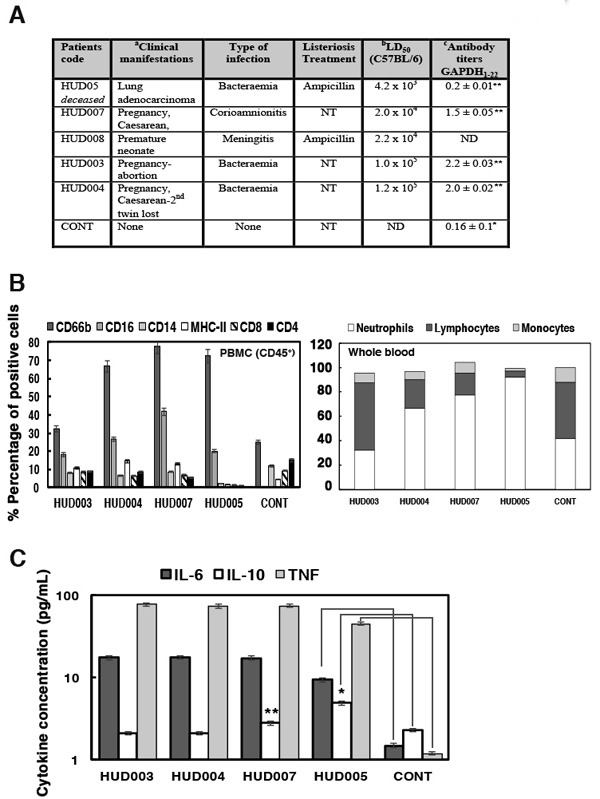
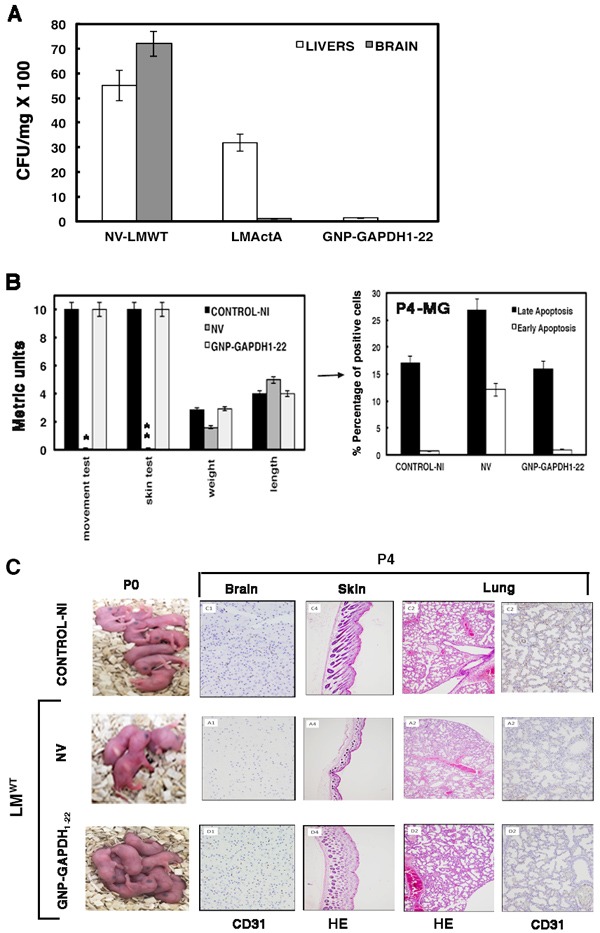
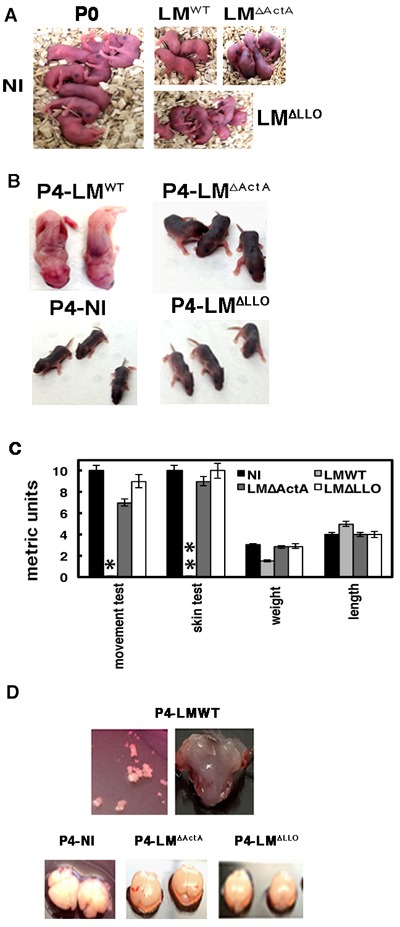
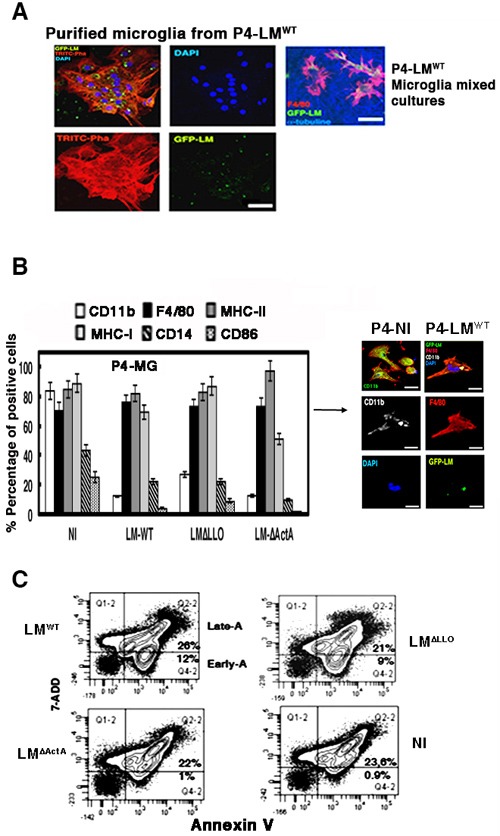
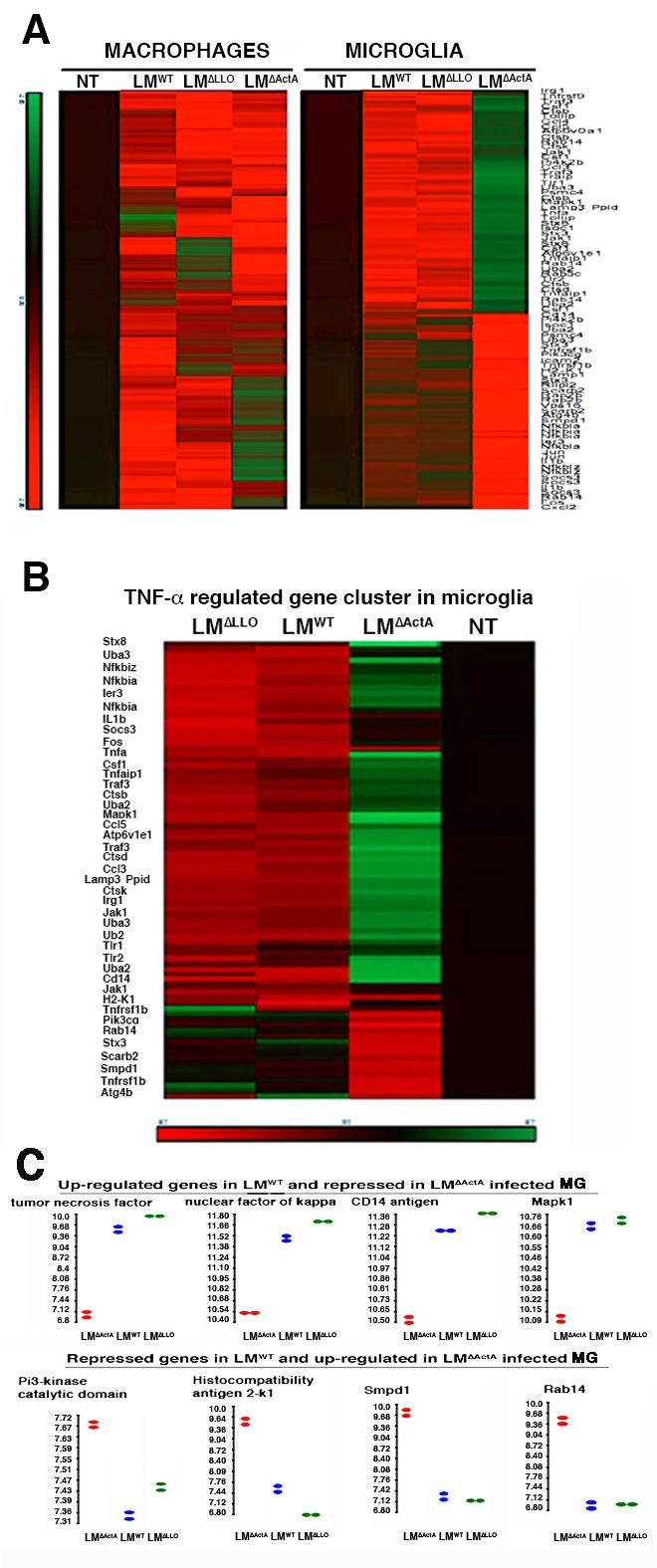
Clinical cases of neonatal listeriosis are associated with brain disease and fetal loss due to complications in early or late pregnancy, which suggests that microglial function is altered. This is believed to be the first study to link microglial apoptosis with neonatal listeriosis and listeriosis-associated brain disease, and to propose a new nanovaccine formulation that reverses all effects of listeriosis and confers (LM)-specific immunity. We examined clinical cases of neonatal listeriosis in 2013-2015 and defined two useful prognostic immune biomarkers to design listeriosis vaccines: high anti-GAPDH titres and tumor necrosis factor (TNF)/interleukin (IL)-6 ratios. Therefore, we developed a nanovaccine with gold glyco-nanoparticles conjugated to LM peptide 1-22 of GAPDH (Lmo2459), GNP-GAPDH nanovaccinesformulated with a pro-inflammatory Toll-like receptor 2/4-targeted adjuvant. Neonates born to non-vaccinated pregnant mice with listeriosis, showed brain and vascular diseases and significant microglial dysfunction by induction of TNF-α-mediated apoptosis. This programmed TNF-mediated suicide explains LM dissemination in brains and livers and blocks production of early pro-inflammatory cytokines such as IL-1β and interferon-α/β. In contrast, neonates born to GNP-GAPDH-vaccinated mothers before LM infection, did not develop listeriosis or brain diseases and had functional microglia. In nanovaccinated mothers, immune responses shifted towards Th1/IL-12 pro-inflammatory cytokine profiles and high production of anti-GAPDH antibodies, suggesting good induction of LM-specific memory.
新生儿李斯特菌病的临床病例与脑疾病以及因妊娠早期或晚期并发症导致的胎儿丢失有关,这表明小胶质细胞功能发生了改变。据信,这是第一项将小胶质细胞凋亡与新生儿李斯特菌病及李斯特菌病相关脑疾病联系起来的研究,并提出了一种新的纳米疫苗配方,该配方可逆转李斯特菌病的所有影响并赋予针对李斯特菌(LM)的特异性免疫力。我们研究了2013 - 2015年新生儿李斯特菌病的临床病例,并确定了两种用于设计李斯特菌病疫苗的有用的预后免疫生物标志物:高抗甘油醛-3-磷酸脱氢酶(GAPDH)滴度和肿瘤坏死因子(TNF)/白细胞介素(IL)-6比率。因此,我们开发了一种纳米疫苗,其为与GAPDH的LM肽1 - 22(Lmo2459)偶联的金糖纳米颗粒,用靶向促炎Toll样受体2/4的佐剂配制的GNP - GAPDH纳米疫苗。未接种疫苗的患李斯特菌病的怀孕小鼠所生的新生儿,表现出脑和血管疾病以及通过诱导TNF-α介导的凋亡而出现明显的小胶质细胞功能障碍。这种程序性的TNF介导的自杀解释了LM在脑和肝脏中的传播,并阻断了早期促炎细胞因子如IL-1β和干扰素-α/β的产生。相比之下,在感染LM之前接种GNP - GAPDH疫苗的母亲所生的新生儿,未发生李斯特菌病或脑疾病,并且具有功能性小胶质细胞。在接种纳米疫苗的母亲中,免疫反应转向Th1/IL-12促炎细胞因子谱以及高抗GAPDH抗体产生,表明对LM特异性记忆的良好诱导。