Vulto Arnold G, Jaquez Orlando A
Hospital Pharmacy, Erasmus University Medical Center, Rotterdam, The Netherlands.
Department of Medical Affairs, Biogen International GmbH, Zug, Switzerland.
Rheumatology (Oxford). 2017 Aug 1;56(suppl_4):iv14-iv29. doi: 10.1093/rheumatology/kex278.
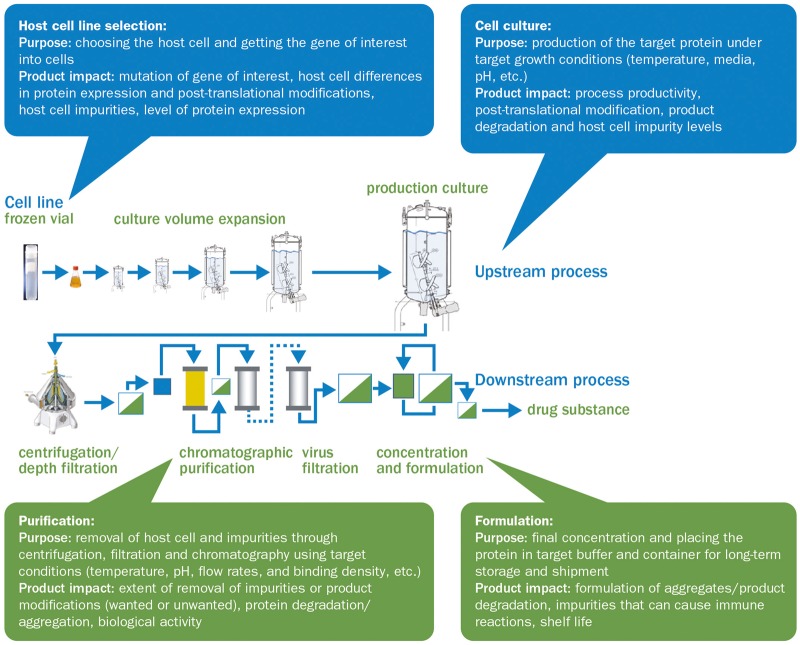
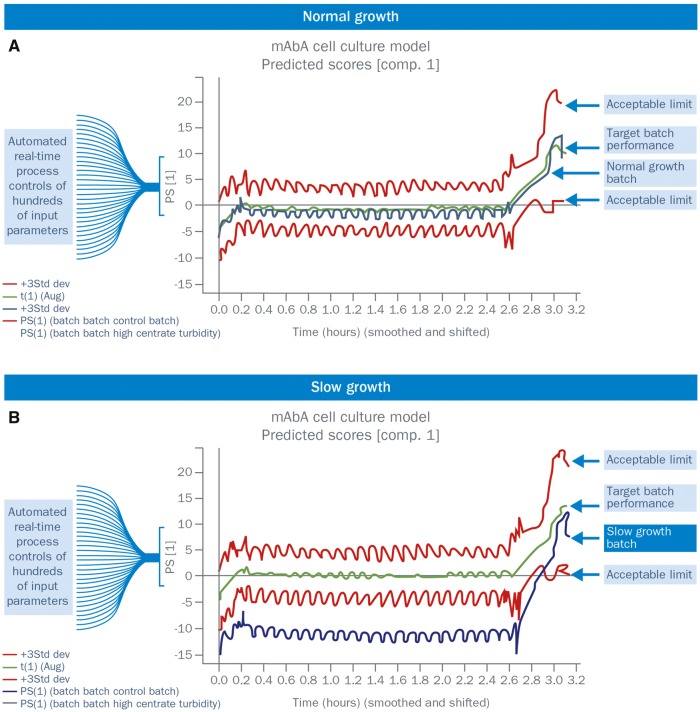
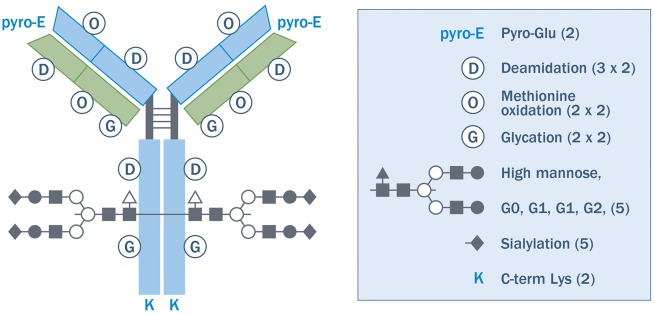
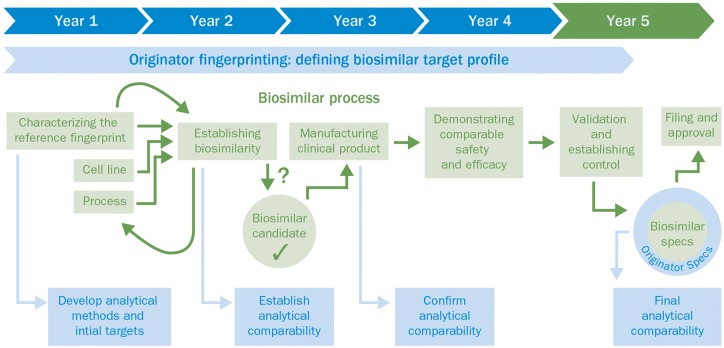
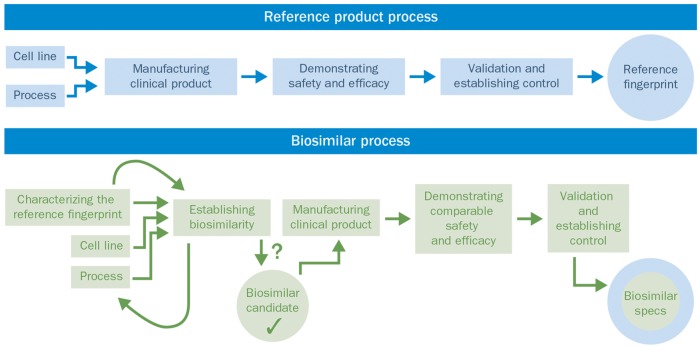
Biologic drugs are highly complex molecules produced by living cells through a multistep manufacturing process. The key characteristics of these molecules, known as critical quality attributes (CQAs), can vary based on post-translational modifications that occur in the cellular environment or during the manufacturing process. The extent of the variation in each of the CQAs must be characterized for the originator molecule and systematically matched as closely as possible by the biosimilar developer to ensure bio-similarity. The close matching of the originator fingerprint is the foundation of the biosimilarity exercise, as the analytical tools designed to measure differences at the molecular level are far more sensitive and specific than tools available to physicians during clinical trials. Biosimilar development, therefore, has a greater focus on preclinical attributes compared with the development of an original biological agent. As changes in CQAs can occur at different stages of the manufacturing process, even small modifications to the process can alter biosimilar attributes beyond the point of similarity and impact clinical effectiveness and safety. The manufacturer's ability to provide consistent production and quality control will greatly influence the acceptance of biosimilars. To this end, preventing drift from the required specifications over time and avoiding the various implications brought by product shortage will enhance biosimilar integration into daily practice. As most prescribers are not familiar with this new drug development paradigm, educational programmes will be needed so that prescribers see biosimilars as fully equivalent, efficacious and safe medicines when compared with originator products.
生物药物是活细胞通过多步骤制造过程产生的高度复杂分子。这些分子的关键特性,即关键质量属性(CQAs),可能会因细胞环境中或制造过程中发生的翻译后修饰而有所不同。必须对原创分子的每个CQAs的变化程度进行表征,生物类似药开发者要尽可能系统地紧密匹配这些变化程度,以确保生物相似性。紧密匹配原创产品的特征图谱是生物相似性研究的基础,因为设计用于在分子水平测量差异的分析工具比临床试验期间医生可用的工具更加灵敏和特异。因此,与原创生物制剂的研发相比,生物类似药的研发更注重临床前属性。由于CQAs的变化可能发生在制造过程的不同阶段,即使对生产过程进行微小改动也可能改变生物类似药的属性,使其超出相似点,进而影响临床疗效和安全性。制造商提供持续生产和质量控制的能力将极大地影响生物类似药的接受度。为此,防止随时间偏离所需规格并避免产品短缺带来的各种影响,将提高生物类似药在日常医疗中的应用。由于大多数开处方者并不熟悉这种新的药物研发模式,因此需要开展教育项目,以便开处方者在将生物类似药与原创产品比较时,将其视为完全等效、有效且安全的药物。