Levin April R, Varcin Kandice J, O'Leary Heather M, Tager-Flusberg Helen, Nelson Charles A
Boston Children's Hospital, 300 Longwood Avenue, BCH 3213, Boston, MA, 02115, USA.
Department of Neurology, Boston Children's Hospital, Boston, MA, USA.
J Neurodev Disord. 2017 Sep 13;9(1):34. doi: 10.1186/s11689-017-9214-9.
Alterations in brain development during infancy may precede the behavioral manifestation of developmental disorders. Infants at increased risk for autism are also at increased risk for other developmental disorders, including, quite commonly, language disorders. Here we assess the extent to which electroencephalographic (EEG) differences in infants at high versus low familial risk for autism are present by 3 months of age, and elucidate the functional significance of EEG power at 3 months in predicting later development.
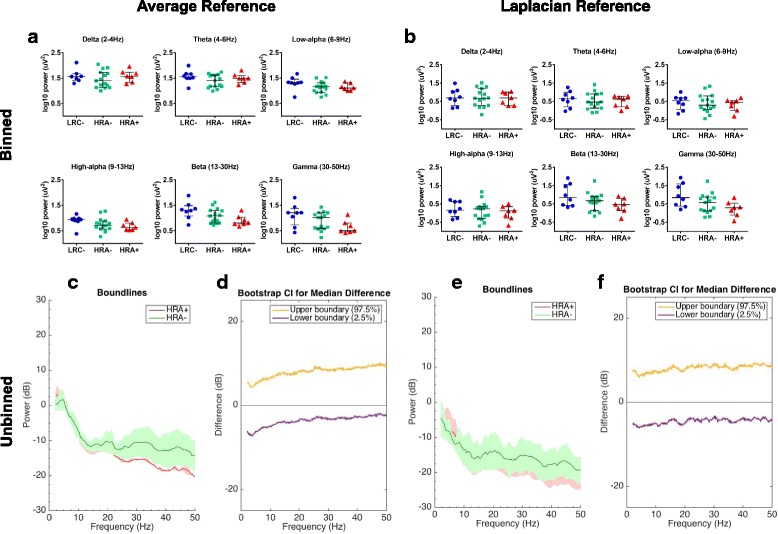
EEG data were acquired at 3 months in infant siblings of children with autism (high risk; n = 29) and infant siblings of typically developing children (low risk; n = 19) as part of a prospective, longitudinal investigation. Development across multiple domains was assessed at 6, 9, 12, 18, 24, and 36 months. Diagnosis of autism was determined at 18-36 months. We assessed relationships between 3-month-olds' frontal EEG power and autism risk, autism outcome, language development, and development in other domains.
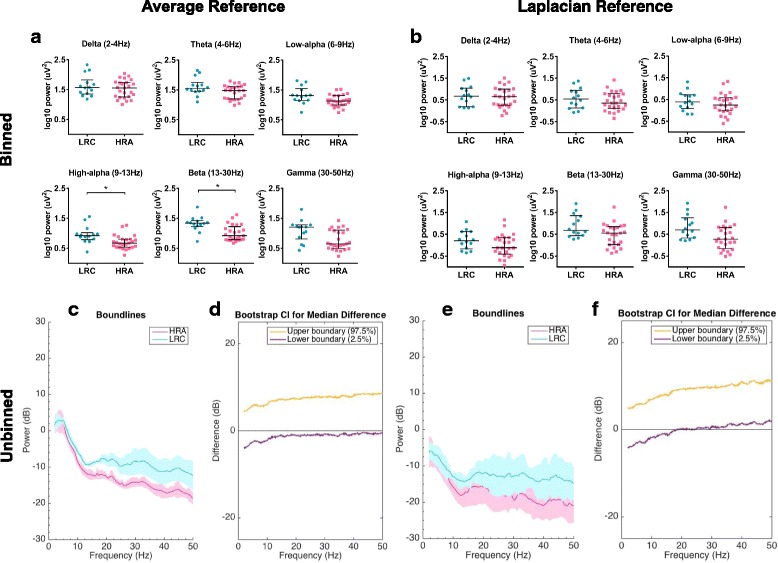
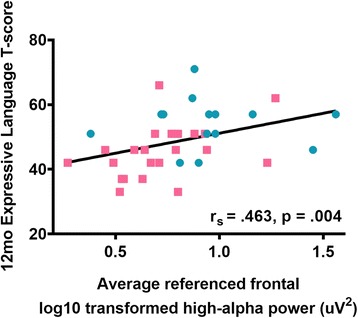
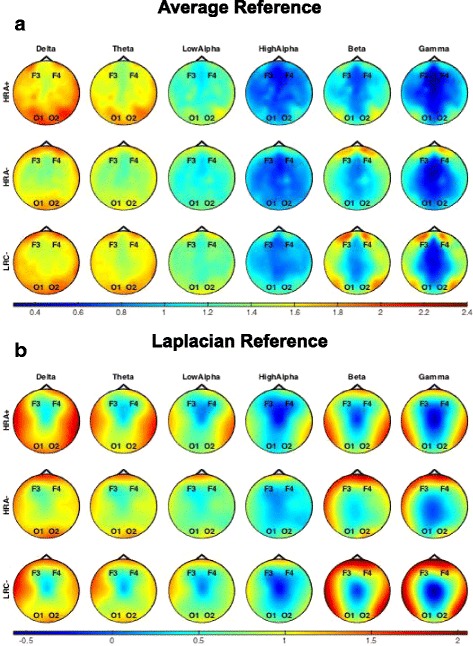
Infants at high familial risk for autism had reduced frontal power at 3 months compared to infants at low familial risk for autism, across several frequency bands. Reduced frontal high-alpha power at 3 months was robustly associated with poorer expressive language at 12 months.
Reduced frontal power at 3 months may indicate increased risk for reduced expressive language skills at 12 months. This finding aligns with prior studies suggesting reduced power is a marker for atypical brain function, and infants at familial risk for autism are also at increased risk for altered developmental functioning in non-autism-specific domains.
婴儿期大脑发育的改变可能先于发育障碍的行为表现。患自闭症风险增加的婴儿患其他发育障碍的风险也会增加,其中语言障碍相当常见。在此,我们评估了自闭症高家族风险与低家族风险婴儿在3个月大时脑电图(EEG)差异的程度,并阐明了3个月大时EEG功率在预测后期发育中的功能意义。
作为一项前瞻性纵向研究的一部分,我们采集了自闭症患儿的婴儿兄弟姐妹(高风险;n = 29)和正常发育儿童的婴儿兄弟姐妹(低风险;n = 19)在3个月大时的EEG数据。在6、9、12、18、24和36个月时评估多个领域的发育情况。在18 - 36个月时确定自闭症诊断。我们评估了3个月大婴儿的额叶EEG功率与自闭症风险、自闭症结局、语言发育以及其他领域发育之间的关系。
与自闭症低家族风险的婴儿相比,自闭症高家族风险的婴儿在3个月大时,在几个频段的额叶功率降低。3个月大时额叶高α功率降低与12个月时表达性语言较差密切相关。
3个月大时额叶功率降低可能表明12个月时表达性语言技能降低的风险增加。这一发现与先前的研究一致,表明功率降低是大脑功能异常的一个标志,患自闭症家族风险的婴儿在非自闭症特异性领域发育功能改变的风险也会增加。