Olguín Yusser, Campos Cristian, Catalán Javiera, Velásquez Luís, Osorio Fernando, Montenegro Iván, Madrid Alejandro, Acevedo Cristian
Center for Integrative Medicine and Innovative Science (CIMIS), Facultad de Medicina, Universidad Andrés Bello, Echaurren 183, Santiago 8320000, Chile.
Departamento de Química, Facultad de Ciencias, Universidad de Chile, Las Palmeras 3425 Ñuñoa, Santiago 8320000, Chile.
Materials (Basel). 2017 Sep 22;10(10):1122. doi: 10.3390/ma10101122.
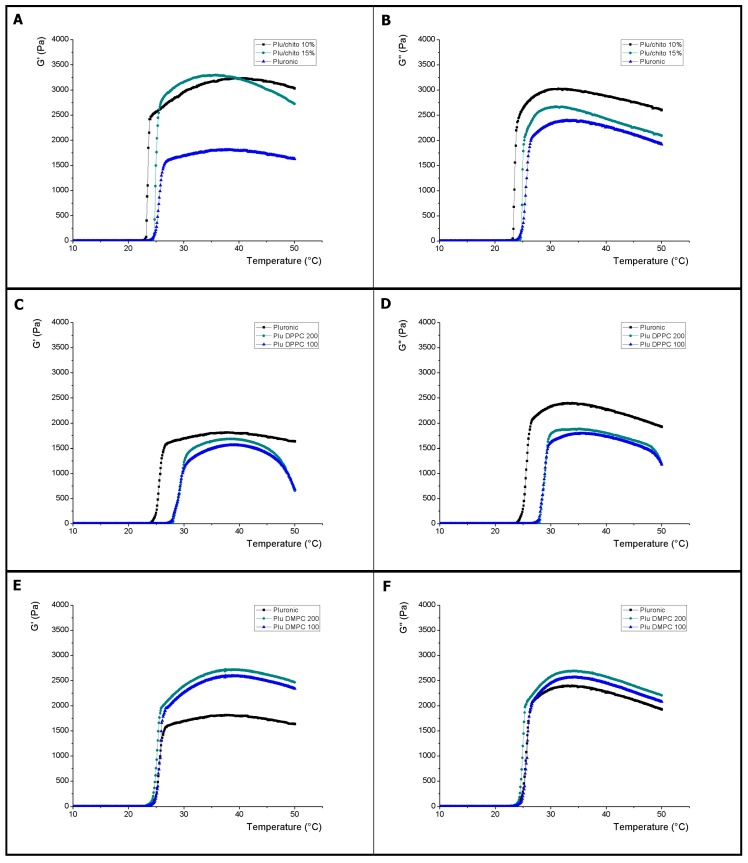
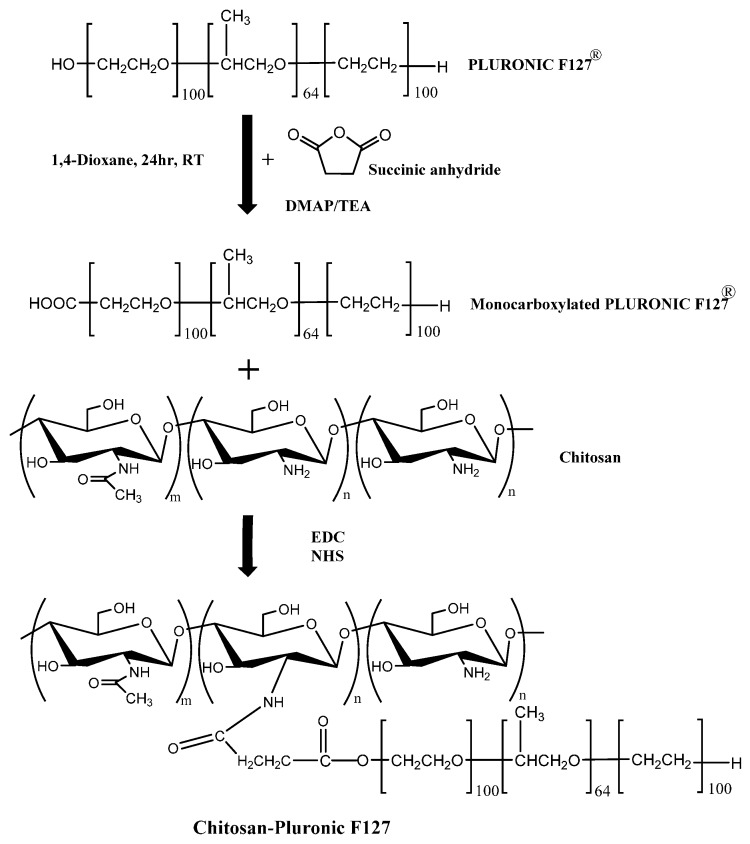
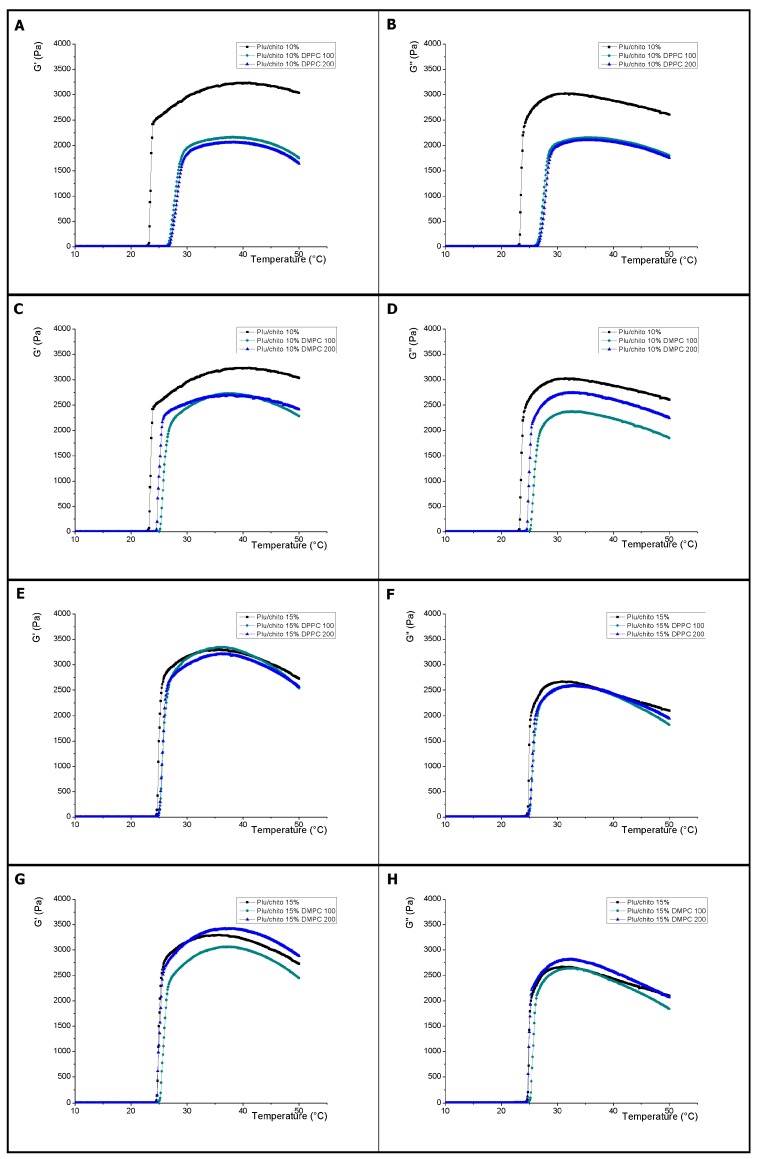
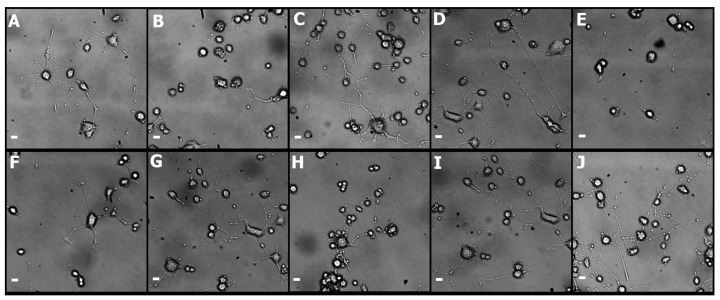
Advances in the generation of suitable thermosensitive hydrogels for the delivery of cells in neural tissue engineering demonstrate a delicate relationship between physical properties and capabilities to promote cell proliferation and differentiation. To improve the properties of these materials, it is possible to add liposomes for the controlled release of bioactive elements, which in turn can affect the physical and biological properties of the hydrogels. In the present investigation, different hydrogels based on Pluronic F127 have been formulated with the incorporation of chitosan and two types of liposomes of two different sizes. The rheological and thermal properties and their relation with the neurite proliferation and growth of the PC12 cell line were evaluated. Our results show that the incorporation of liposomes modifies the properties of the hydrogels dependent on the concentration of chitosan and the lipid type in the liposomes, which directly affect the capabilities of the hydrogels to promote the viability and differentiation of PC12 cells.
用于神经组织工程中细胞递送的合适热敏水凝胶的生成进展表明,物理性质与促进细胞增殖和分化的能力之间存在微妙关系。为改善这些材料的性能,可以添加脂质体以实现生物活性成分的控释,这反过来又会影响水凝胶的物理和生物学性质。在本研究中,基于普朗尼克F127制备了不同的水凝胶,并加入了壳聚糖和两种不同大小的两种类型脂质体。评估了流变学和热性质及其与PC12细胞系神经突增殖和生长的关系。我们的结果表明,脂质体的加入会根据壳聚糖浓度和脂质体中的脂质类型改变水凝胶的性质,这直接影响水凝胶促进PC12细胞活力和分化的能力。