
在铜绿假单胞菌中表达的结节拟杆菌265(血清群H)菌毛疫苗对腐蹄病的疗效。
Efficacy against footrot of a Bacteroides nodosus 265 (serogroup H) pilus vaccine expressed in Pseudomonas aeruginosa.
作者信息
Elleman T C, Stewart D J
机构信息
Division of Biotechnology, Commonwealth Scientific and Industrial Research Organisation, Parkville, Victoria, Australia.
出版信息
Infect Immun. 1988 Mar;56(3):595-600. doi: 10.1128/iai.56.3.595-600.1988.
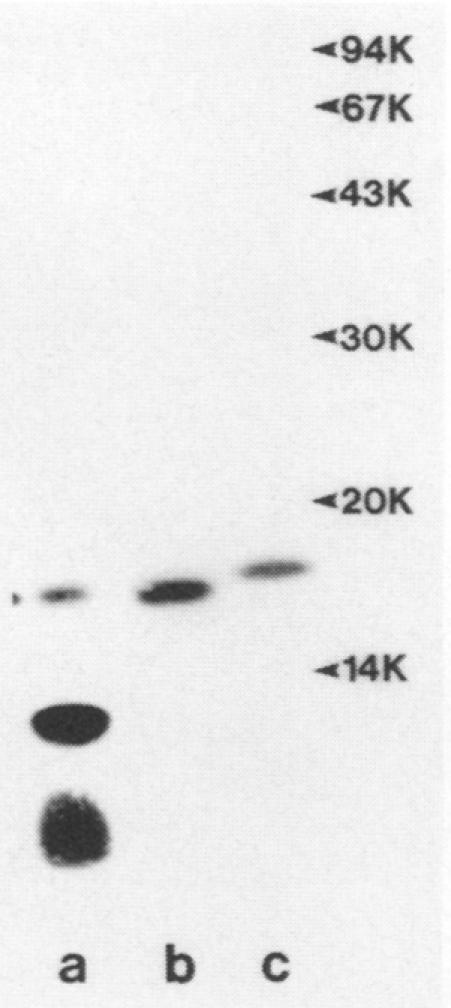
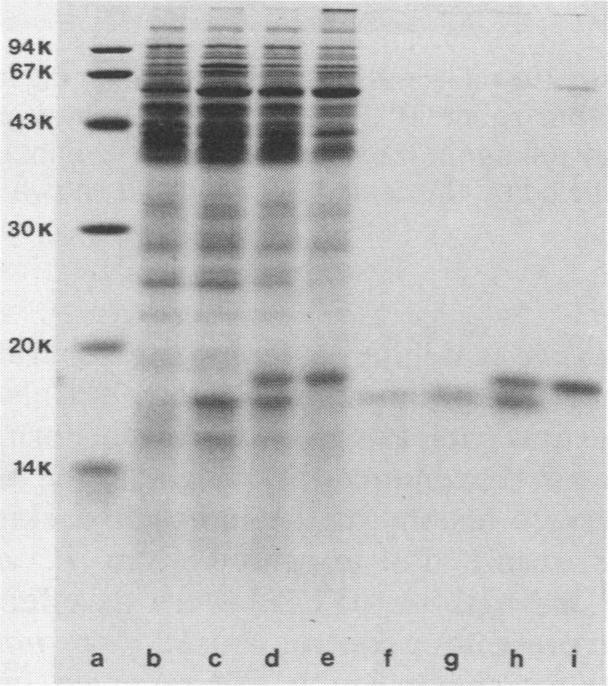
Pili of Bacteroides nodosus 265 (serogroup H) were expressed in Pseudomonas aeruginosa both alone and in combination with pili from B. nodosus 198 (serogroup A). Pilin genes from B. nodosus were introduced on plasmid-borne, thermoregulated expression systems, either singly or as tandem genes from two separate strains in a single transcription unit. Despite the absence of a posttranslational cleavage of pilin which occurs in B. nodosus, pili prepared from P. aeruginosa harboring the pilin gene of B. nodosus 265 protected sheep against footrot after challenge by B. nodosus 265. Organisms harboring pilin genes from the two different serogroups of B. nodosus produced serologically distinct populations of pili on each cell, and pili from these cells protected sheep against footrot after challenges with B. nodosus strains 198 and 265.
结节拟杆菌265(血清群H)的菌毛在铜绿假单胞菌中单独表达,也与结节拟杆菌198(血清群A)的菌毛联合表达。来自结节拟杆菌的菌毛蛋白基因被引入质粒携带的温度调控表达系统,要么单独引入,要么作为来自两个不同菌株的串联基因在单个转录单元中引入。尽管在结节拟杆菌中存在菌毛蛋白的翻译后切割,但从携带结节拟杆菌265菌毛蛋白基因的铜绿假单胞菌制备的菌毛在受到结节拟杆菌265攻击后能保护绵羊免受腐蹄病侵害。携带来自结节拟杆菌两个不同血清群菌毛蛋白基因的生物体在每个细胞上产生血清学上不同的菌毛群体,并且来自这些细胞的菌毛在受到结节拟杆菌菌株198和265攻击后能保护绵羊免受腐蹄病侵害。


 Zotero 插件