English Bevin C, Van Prooyen Nancy, Örd Tiit, Örd Tõnis, Sil Anita
Department of Microbiology and Immunology, University of California San Francisco, San Francisco, California, United States of America.
FLX Bio, South San Francisco, California, United States of America.
PLoS Pathog. 2017 Sep 27;13(9):e1006589. doi: 10.1371/journal.ppat.1006589. eCollection 2017 Sep.
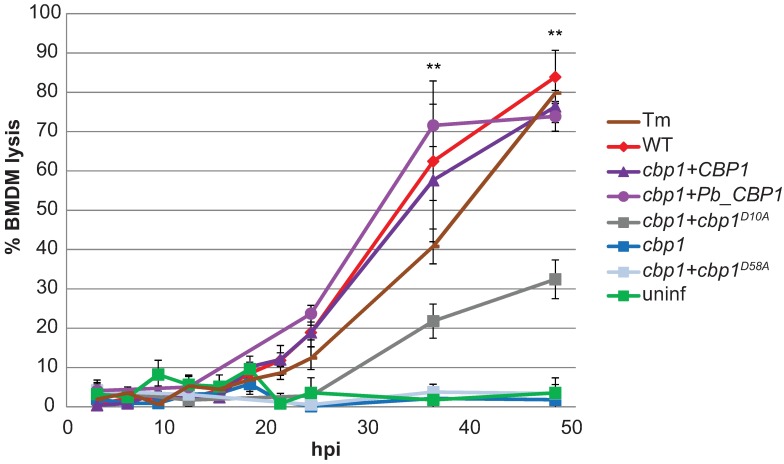
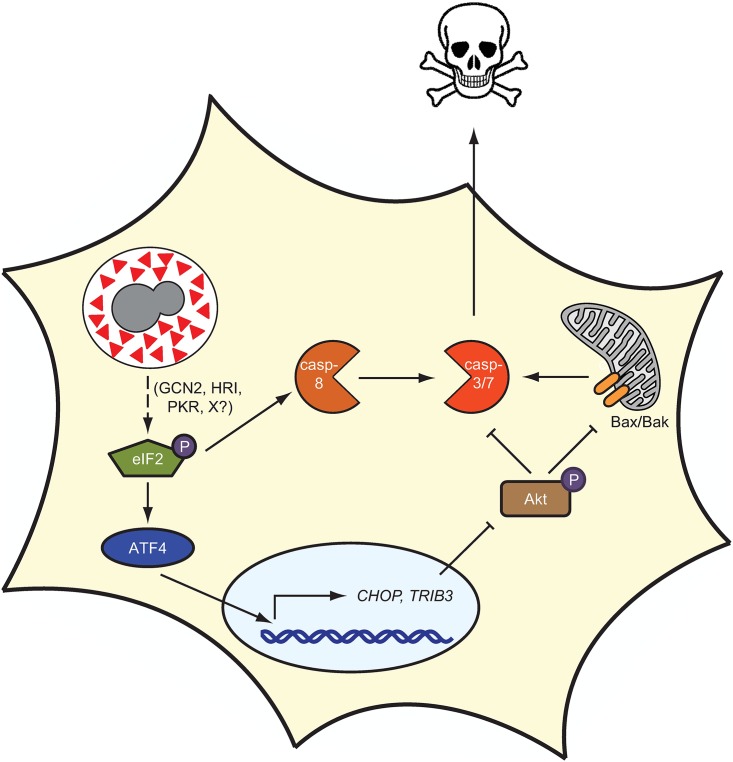
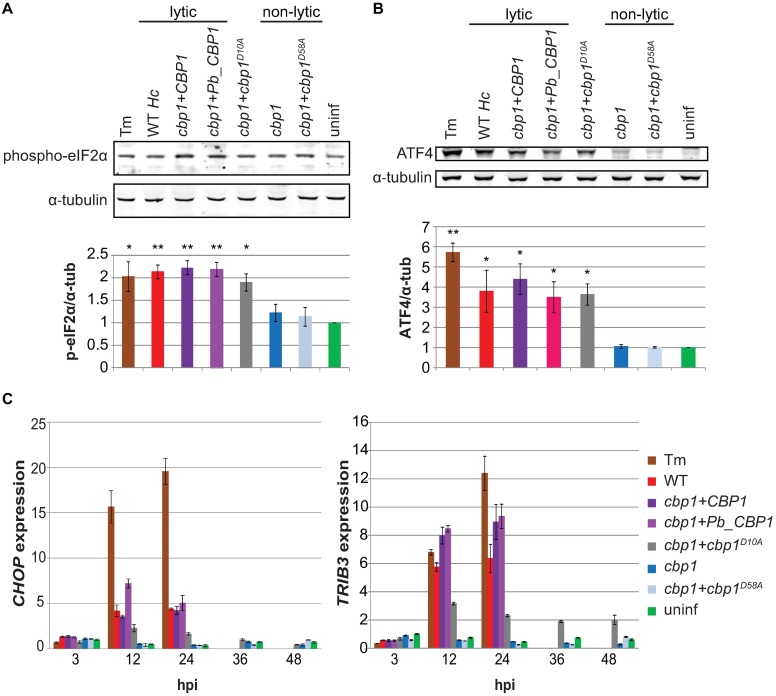
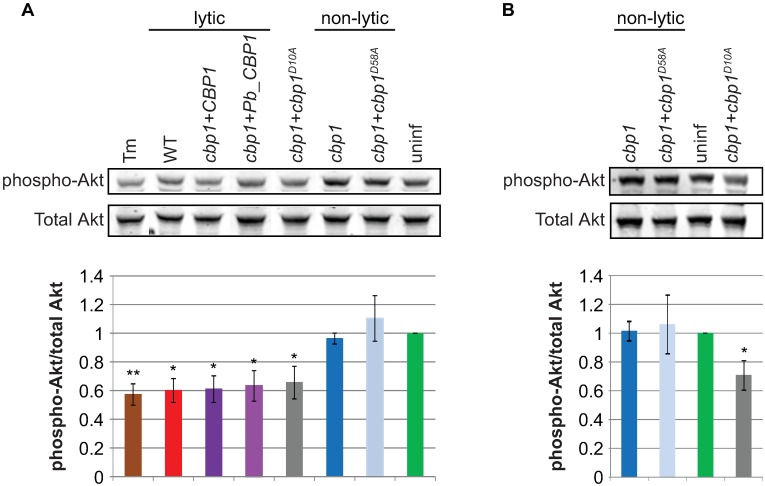
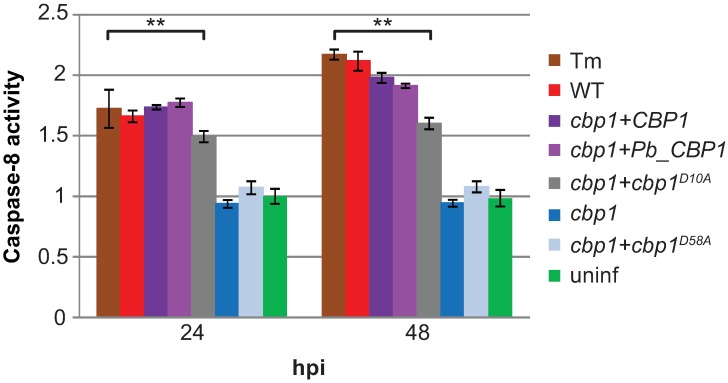
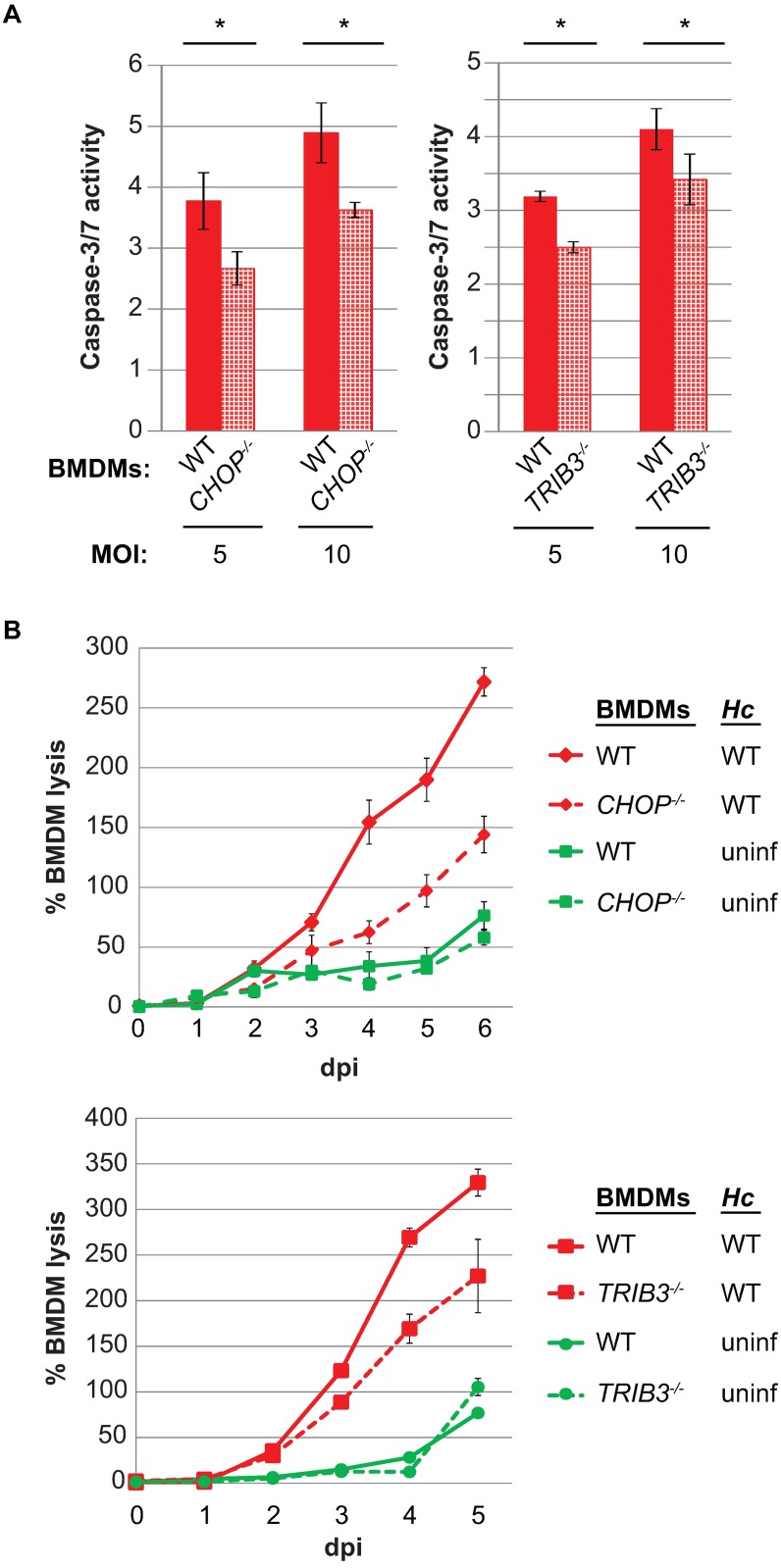
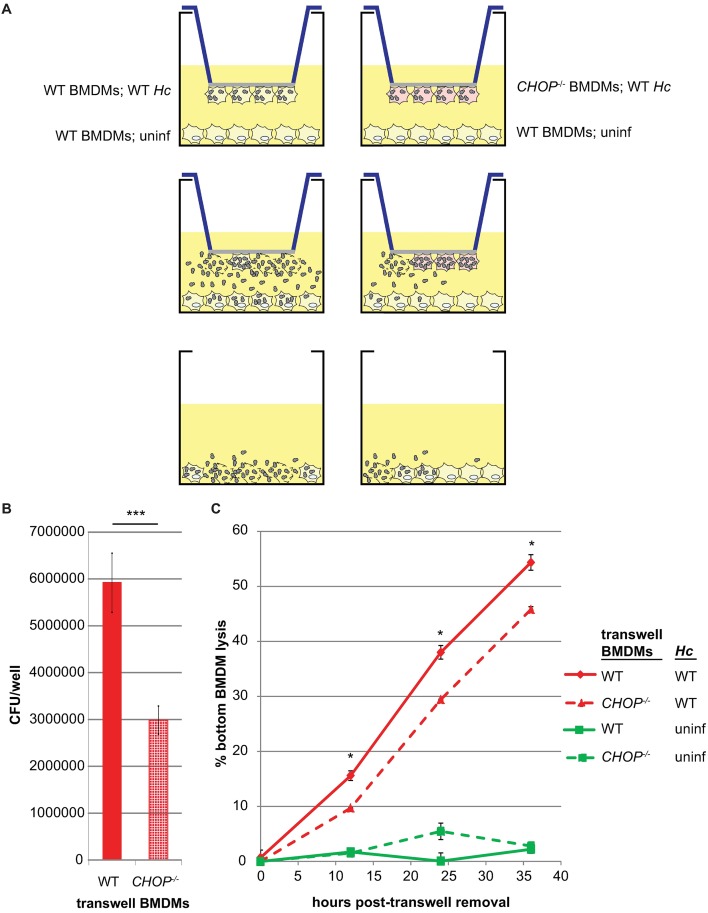
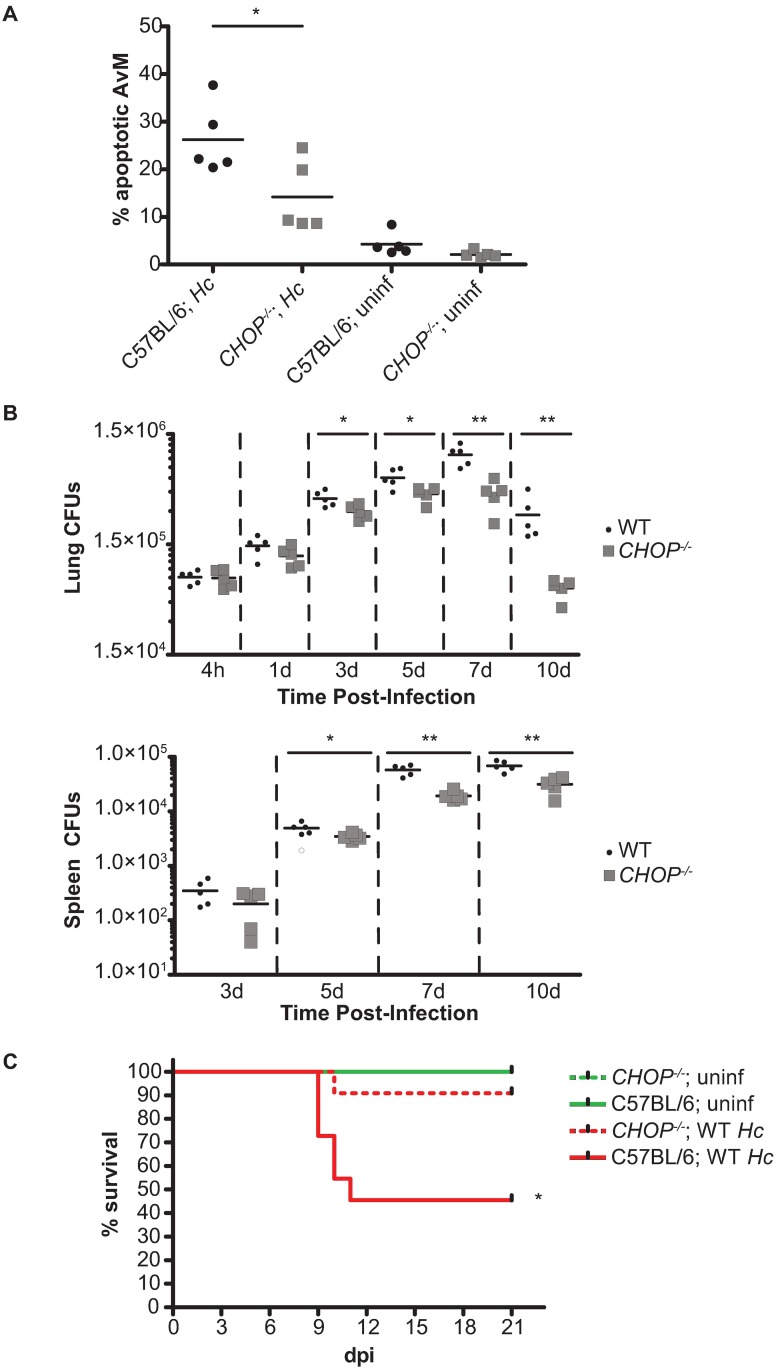
The ability of intracellular pathogens to manipulate host-cell viability is critical to successful infection. Some pathogens promote host-cell survival to protect their replicative niche, whereas others trigger host-cell death to facilitate release and dissemination of the pathogen after intracellular replication has occurred. We previously showed that the intracellular fungal pathogen Histoplasma capsulatum (Hc) uses the secreted protein Cbp1 to actively induce apoptosis in macrophages; interestingly, cbp1 mutant strains are unable to kill macrophages and display severely reduced virulence in the mouse model of Hc infection. To elucidate the mechanism of Cbp1-induced host-cell death, we performed a comprehensive alanine scanning mutagenesis and identified all amino acid residues that are required for Cbp1 to trigger macrophage lysis. Here we demonstrate that Hc strains expressing lytic CBP1 alleles activate the integrated stress response (ISR) in infected macrophages, as indicated by an increase in eIF2α phosphorylation as well as induction of the transcription factor CHOP and the pseudokinase Tribbles 3 (TRIB3). In contrast, strains bearing a non-lytic allele of CBP1 fail to activate the ISR, whereas a partially lytic CBP1 allele triggers intermediate levels of activation. We further show that macrophages deficient for CHOP or TRIB3 are partially resistant to lysis during Hc infection, indicating that the ISR is critical for susceptibility to Hc-mediated cell death. Moreover, we show that CHOP-dependent macrophage lysis is critical for efficient spread of Hc infection to other macrophages. Notably, CHOP knockout mice display reduced macrophage apoptosis and diminished fungal burden and are markedly resistant to Hc infection. Together, these data indicate that Cbp1 is required for Hc to induce the ISR and mediate a CHOP-dependent virulence pathway in the host.
细胞内病原体操纵宿主细胞活力的能力对于成功感染至关重要。一些病原体促进宿主细胞存活以保护其复制龛,而另一些病原体则触发宿主细胞死亡,以便在细胞内复制发生后促进病原体的释放和传播。我们之前表明,细胞内真菌病原体荚膜组织胞浆菌(Hc)利用分泌蛋白Cbp1在巨噬细胞中主动诱导凋亡;有趣的是,cbp1突变株无法杀死巨噬细胞,并且在Hc感染的小鼠模型中显示出毒力严重降低。为了阐明Cbp1诱导宿主细胞死亡的机制,我们进行了全面的丙氨酸扫描诱变,并确定了Cbp1触发巨噬细胞裂解所需的所有氨基酸残基。在这里,我们证明表达裂解性CBP1等位基因的Hc菌株在感染的巨噬细胞中激活整合应激反应(ISR),这表现为eIF2α磷酸化增加以及转录因子CHOP和假激酶 Tribbles 3(TRIB3)的诱导。相比之下,携带CBP1非裂解等位基因的菌株未能激活ISR,而部分裂解性CBP1等位基因触发中等水平的激活。我们进一步表明,缺乏CHOP或TRIB3的巨噬细胞在Hc感染期间对裂解具有部分抗性,这表明ISR对于对Hc介导的细胞死亡的易感性至关重要。此外,我们表明CHOP依赖性巨噬细胞裂解对于Hc感染向其他巨噬细胞的有效传播至关重要。值得注意的是,CHOP基因敲除小鼠表现出巨噬细胞凋亡减少和真菌负荷降低,并且对Hc感染具有明显抗性。总之,这些数据表明Cbp1是Hc诱导ISR并在宿主中介导CHOP依赖性毒力途径所必需的。