Jiang Yu, Gou Yu, Zhang Tong, Wang Kai, Hu Chengquan
College of Computer Science and Technology, Jilin University, Changchun 130012, China.
Sensors (Basel). 2017 Sep 28;17(10):2225. doi: 10.3390/s17102225.
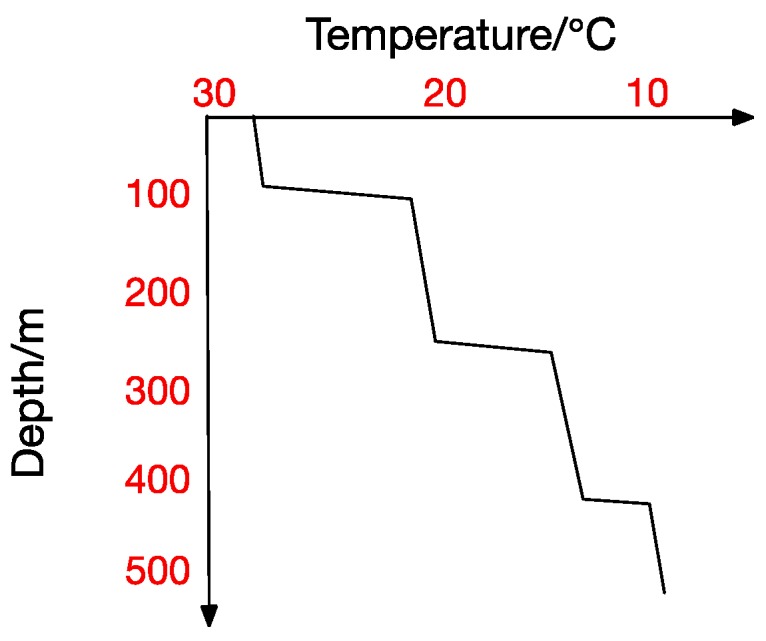
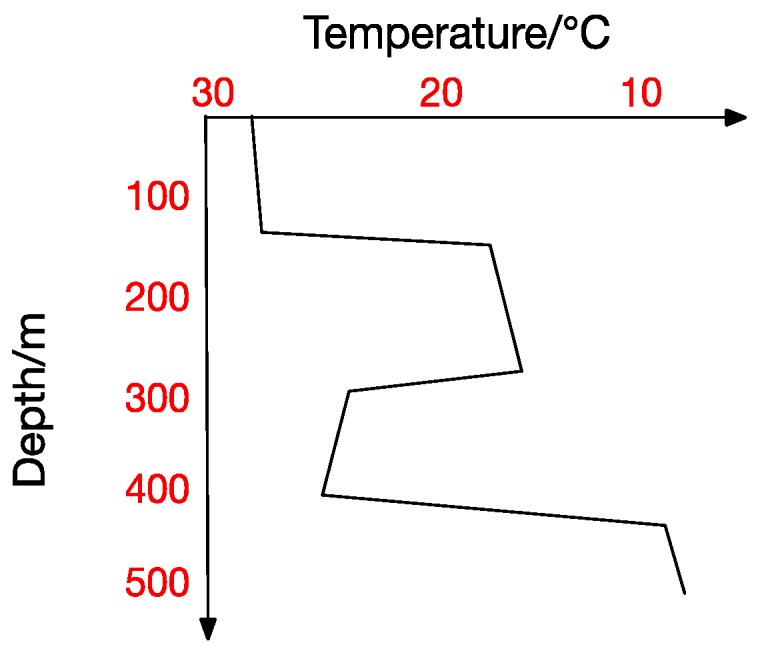
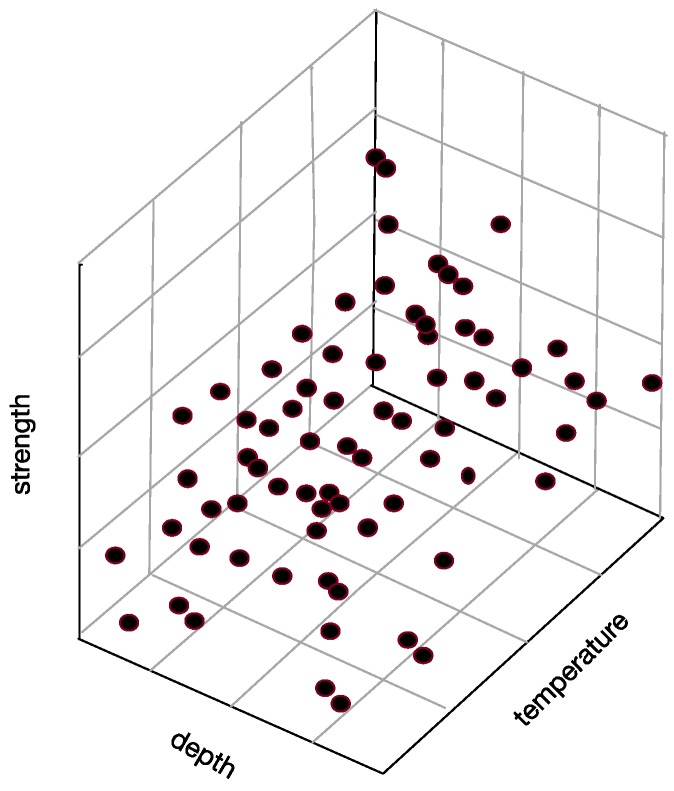
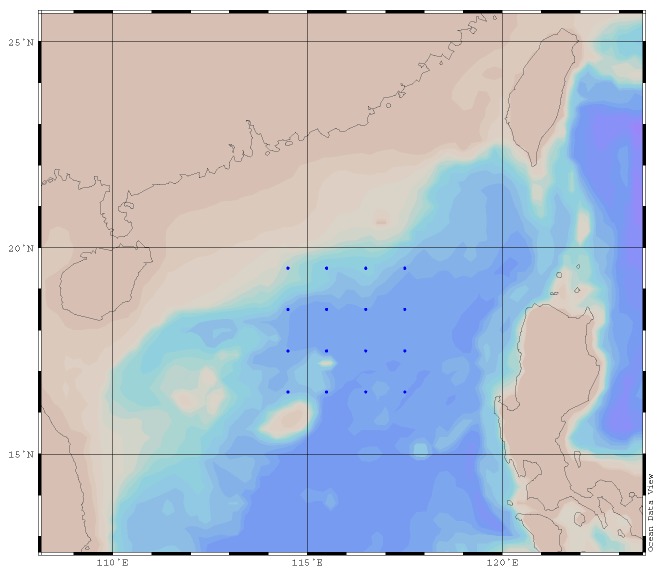
With the rapid development of sensor networks, big marine data arises. To efficiently use these data to predict thermoclines, we propose a machine learning approach. We firstly focus on analyzing how temperature, salinity, and geographic location features affect the formation of thermocline. Then, an improved model based on entropy value method for the thermocline selection is demonstrated. The experiments adopt BOA Argo data sets and the experimental results show that our novel model can predict thermoclines and related data effectively.
随着传感器网络的快速发展,海量海洋数据应运而生。为了有效利用这些数据来预测温跃层,我们提出了一种机器学习方法。我们首先着重分析温度、盐度和地理位置特征如何影响温跃层的形成。然后,展示了一种基于熵值法的用于温跃层选择的改进模型。实验采用了博阿(BOA)Argo数据集,实验结果表明我们的新模型能够有效地预测温跃层及相关数据。