Anastasiadi Dafni, Díaz Noelia, Piferrer Francesc
Institute of Marine Sciences (ICM-CSIC), Passeig Marítim, 37-49, 08003, Barcelona, Spain.
Max Planck Institute for Molecular Biomedicine, Regulatory Genomics Lab, Röntgenstraße 20, 48149, Münster, Germany.
Sci Rep. 2017 Sep 29;7(1):12401. doi: 10.1038/s41598-017-10861-6.
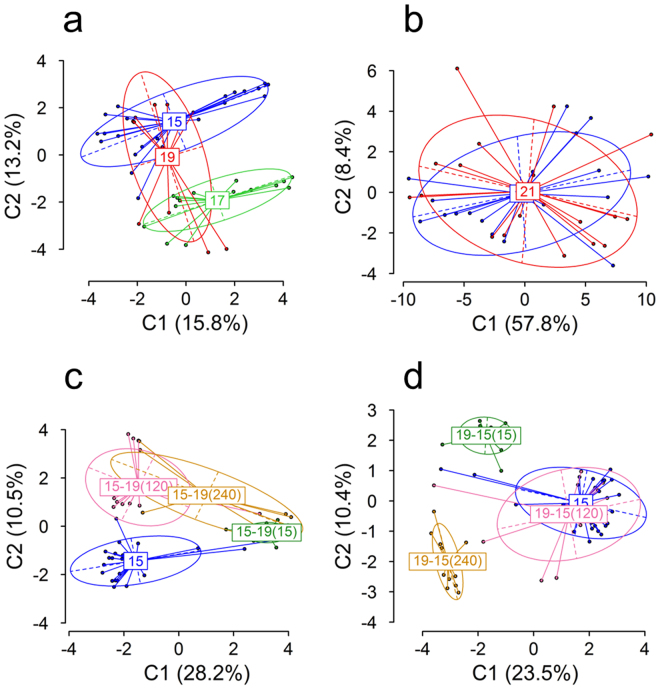
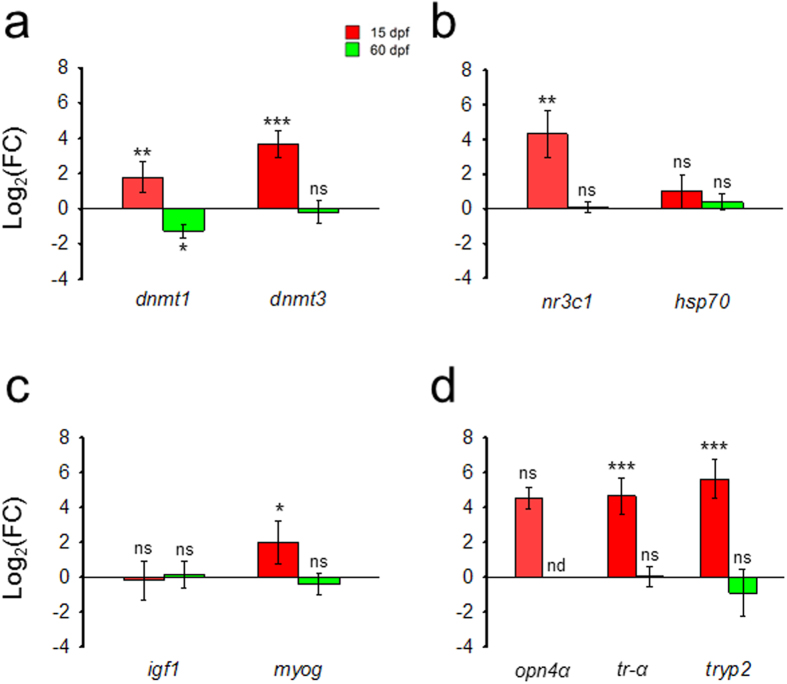
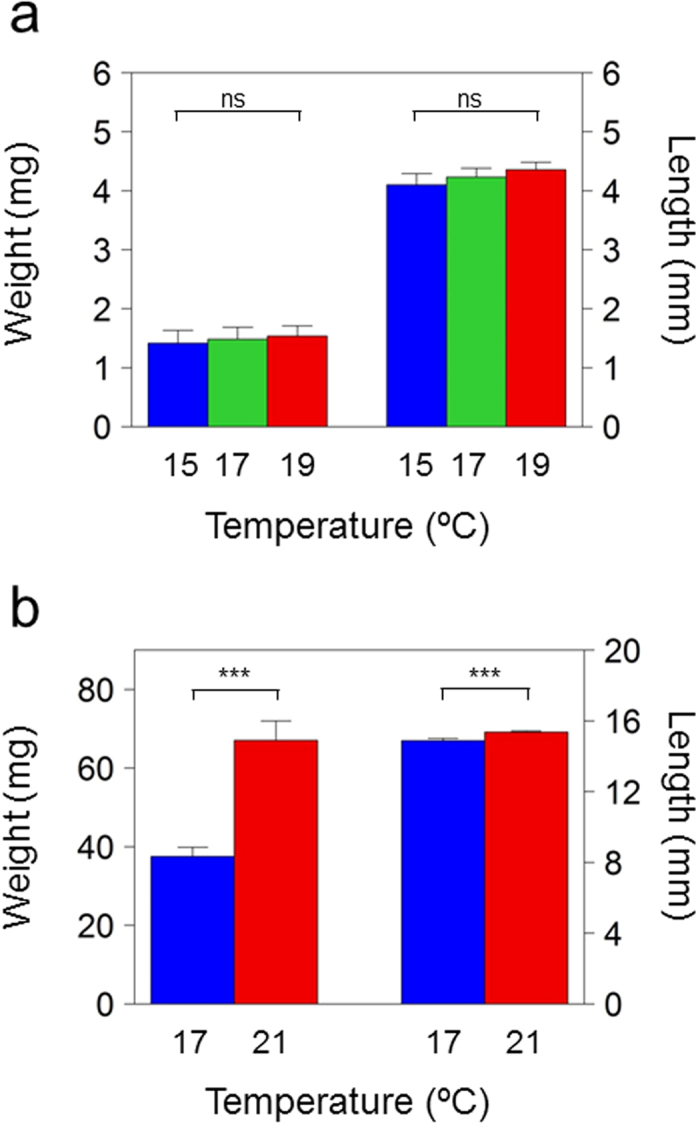
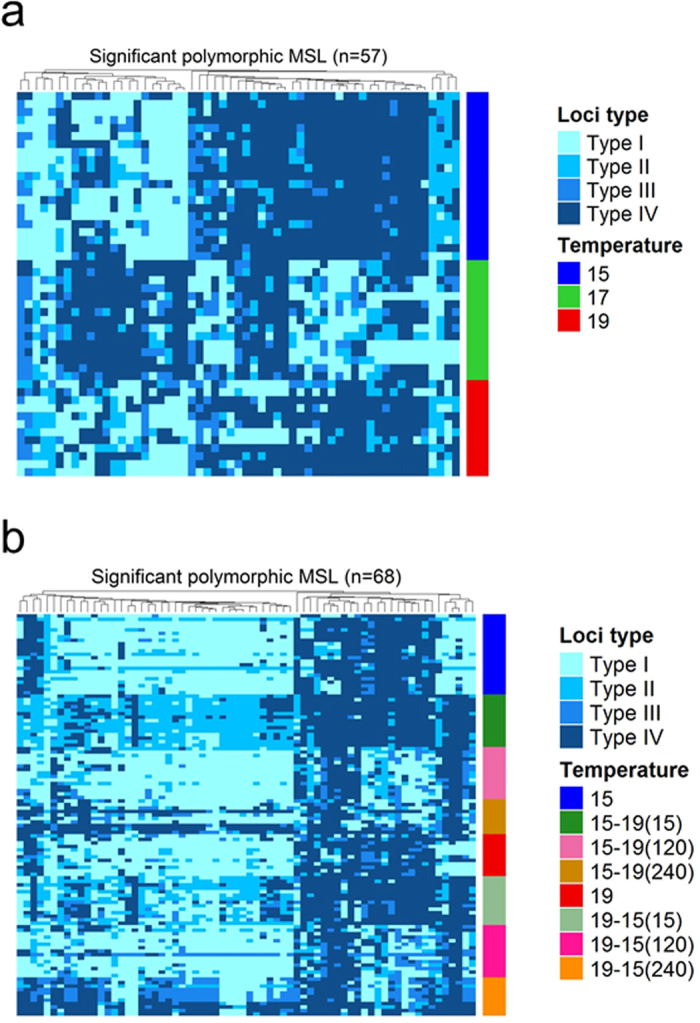
In natural fish populations, temperature increases can result in shifts in important phenotypic traits. DNA methylation is an epigenetic mechanism mediating phenotypic changes. However, whether temperature increases of the magnitude predicted by the latest global warming models can affect DNA methylation is unknown. Here, we exposed European sea bass to moderate temperature increases in different periods within the first two months of age. We show that increases of even 2 °C in larvae significantly changed global DNA methylation and the expression of ecologically-relevant genes related to DNA methylation, stress response, muscle and organ formation, while 4 °C had no effect on juveniles. Furthermore, DNA methylation changes were more marked in larvae previously acclimated to a different temperature. The expression of most genes was also affected by temperature in the larvae but not in juveniles. In conclusion, this work constitutes the first study of DNA methylation in fish showing that temperature increases of the magnitude predicted by the latest global warming models result in stage-dependent alterations in global DNA methylation and gene expression levels. This study, therefore, provides insights on the possible consequences of climate change in fish mediated by genome-wide epigenetic modifications.
在自然鱼类种群中,温度升高会导致重要表型特征发生变化。DNA甲基化是一种介导表型变化的表观遗传机制。然而,最新全球变暖模型预测的温度升高幅度是否会影响DNA甲基化尚不清楚。在此,我们在欧洲海鲈幼鱼出生后的头两个月内,让它们在不同时期经历适度的温度升高。我们发现,幼鱼期仅2°C的温度升高就显著改变了整体DNA甲基化以及与DNA甲基化、应激反应、肌肉和器官形成相关的生态相关基因的表达,而4°C的温度升高对幼鱼没有影响。此外,先前适应不同温度的幼鱼的DNA甲基化变化更为明显。大多数基因的表达在幼鱼期也受到温度影响,但在幼鱼阶段则不受影响。总之,这项工作是对鱼类DNA甲基化的首次研究,表明最新全球变暖模型预测的温度升高幅度会导致整体DNA甲基化和基因表达水平出现阶段依赖性改变。因此,本研究为全基因组表观遗传修饰介导的气候变化对鱼类可能产生的后果提供了见解。