Gandhi Geethanjali Devadoss, Krishnamoorthy Navaneethakrishnan, Motal Ussama M Abdel, Yacoub Magdi
Division of Cardiovascular Research, Sidra Medical and Research Center, Qatar Foundation, Doha, Qatar.
Division of Experimental Genetics, Sidra Medical and Research Center, Doha, Qatar.
Glob Cardiol Sci Pract. 2017 Mar 31;2017(1):e201704. doi: 10.21542/gcsp.2017.4.
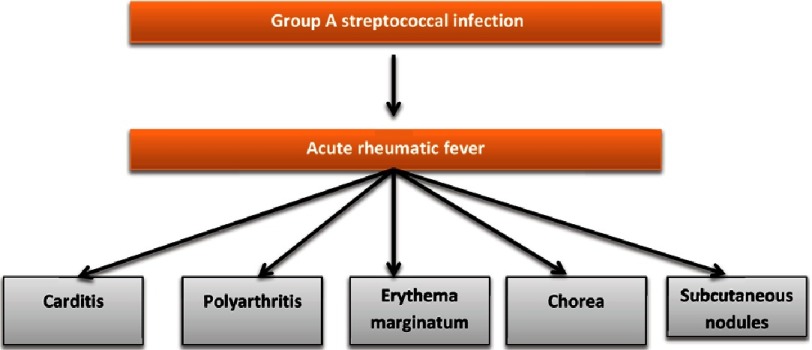
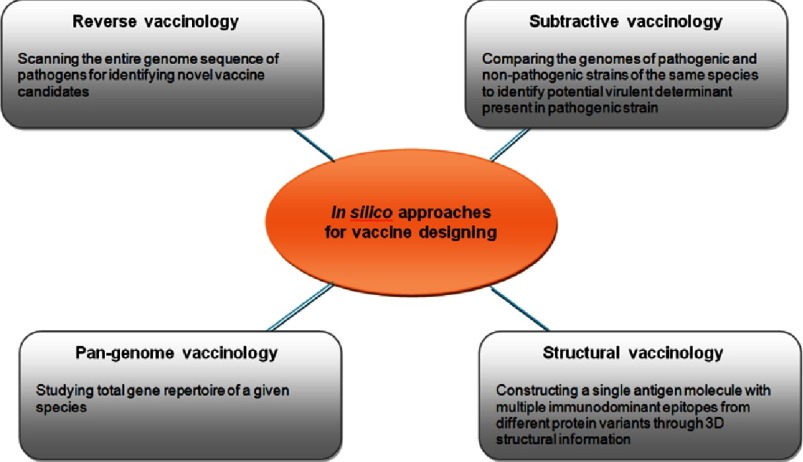
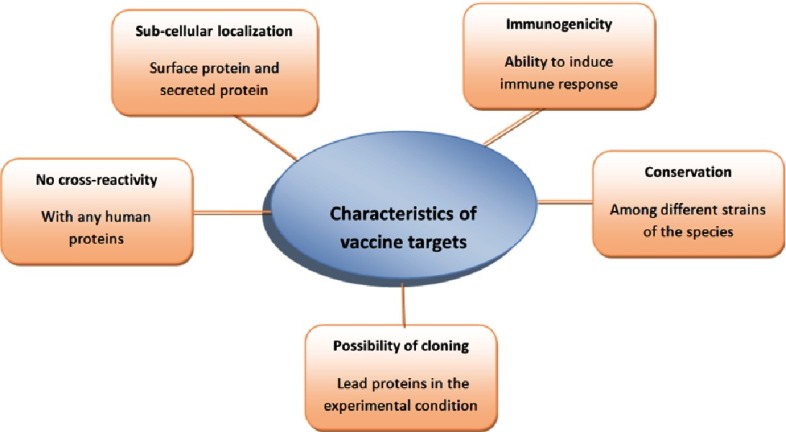
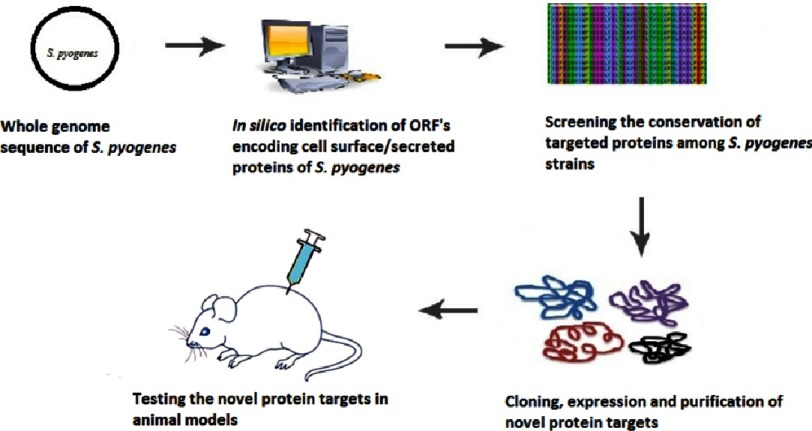
Rheumatic heart disease (RHD) is the most serious manifestations of rheumatic fever, which is caused by group A Streptococcus (GAS or ) infection. RHD is an auto immune sequelae of GAS pharyngitis, rather than the direct bacterial infection of the heart, which leads to chronic heart valve damage. Although antibiotics like penicillin are effective against GAS infection, improper medical care such as poor patient compliance, overcrowding, poverty, and repeated exposure to GAS, leads to acute rheumatic fever and RHD. Thus, efforts have been put forth towards developing a vaccine. However, a potential global vaccine is yet to be identified due to the widespread diversity of strains and cross reactivity of streptococcal proteins with host tissues. In this review, we discuss the available vaccine targets of and the significance of approaches in designing a vaccine for RHD.
风湿性心脏病(RHD)是风湿热最严重的表现形式,由A组链球菌(GAS或 )感染引起。RHD是GAS咽炎的自身免疫后遗症,而非心脏的直接细菌感染,它会导致慢性心脏瓣膜损伤。尽管青霉素等抗生素对GAS感染有效,但患者依从性差、过度拥挤、贫困以及反复接触GAS等不当医疗护理,会导致急性风湿热和RHD。因此,人们一直在努力研发疫苗。然而,由于菌株的广泛多样性以及链球菌蛋白与宿主组织的交叉反应性,尚未确定一种潜在的全球通用疫苗。在本综述中,我们讨论了可用的GAS疫苗靶点以及这些方法在设计RHD疫苗中的意义。