Somanath Priyanka, Herndon Klein Rachel, Knoepfler Paul S
Department of Cell Biology and Human Anatomy, University of California, Davis, Davis, CA, United States of America.
Institute of Pediatric Regenerative Medicine, Shriners Hospital For Children Northern California, Sacramento, CA, United States of America.
PLoS One. 2017 Oct 5;12(10):e0185627. doi: 10.1371/journal.pone.0185627. eCollection 2017.
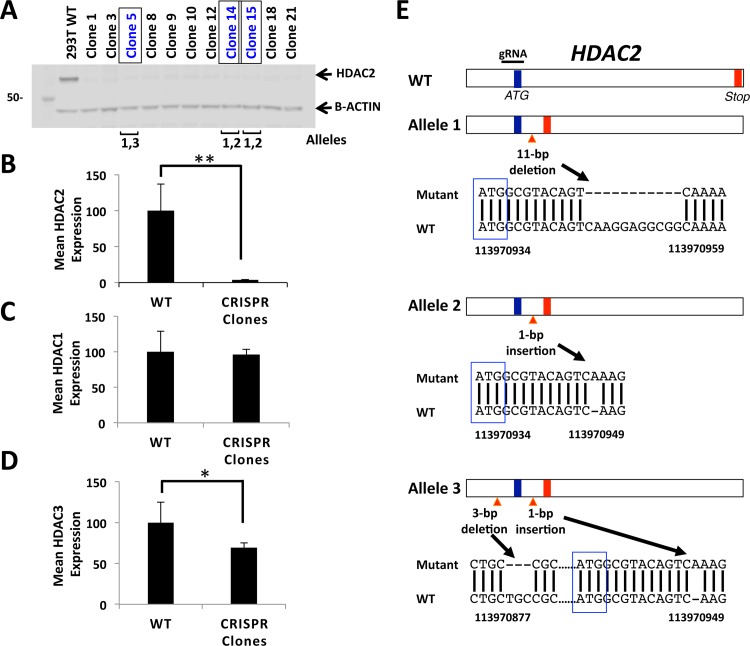
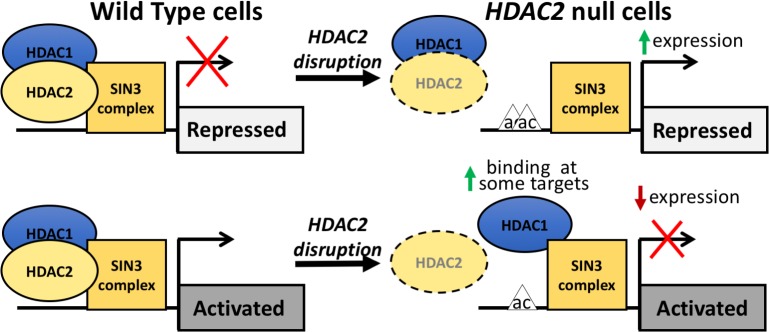
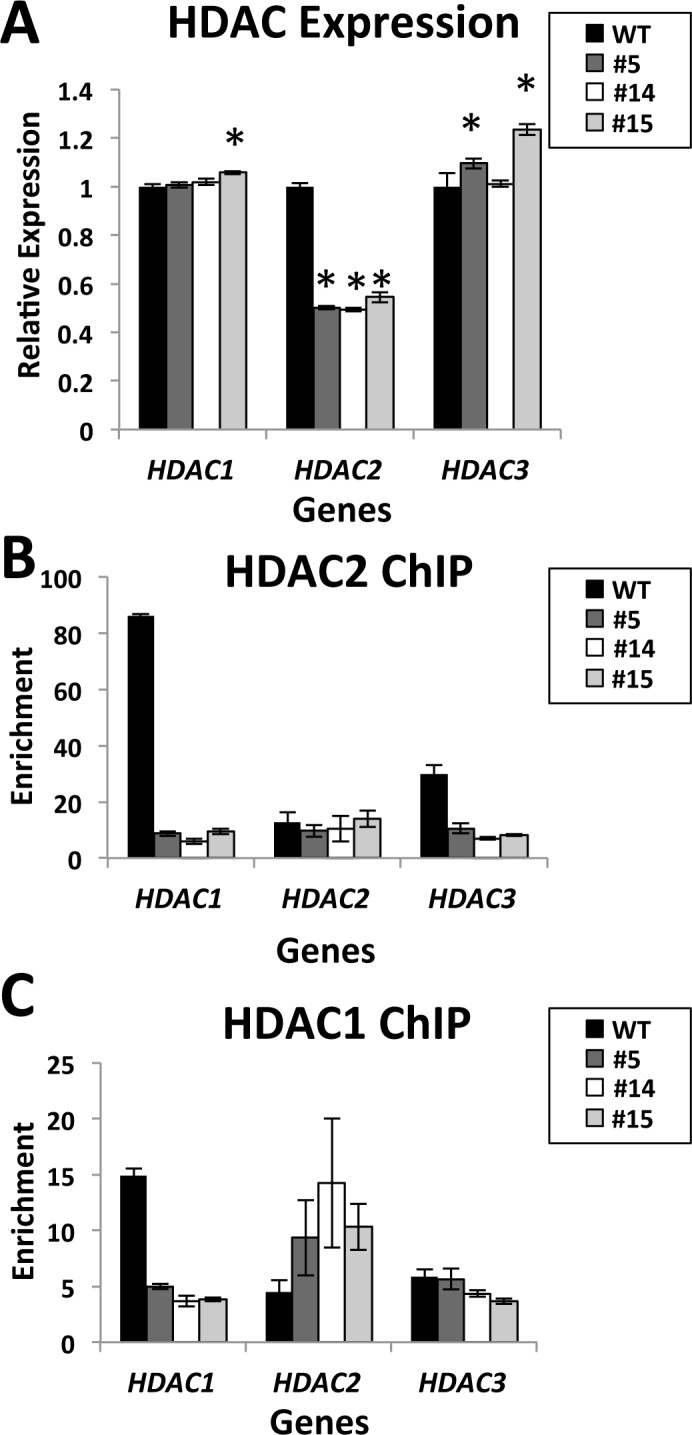
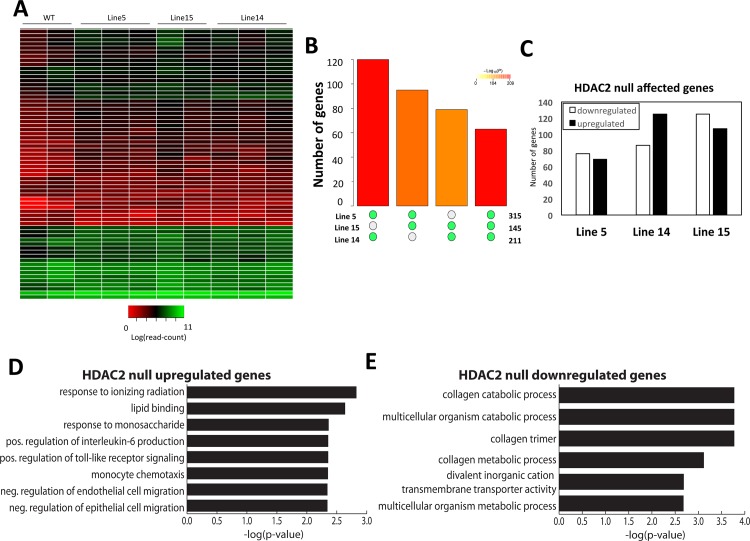
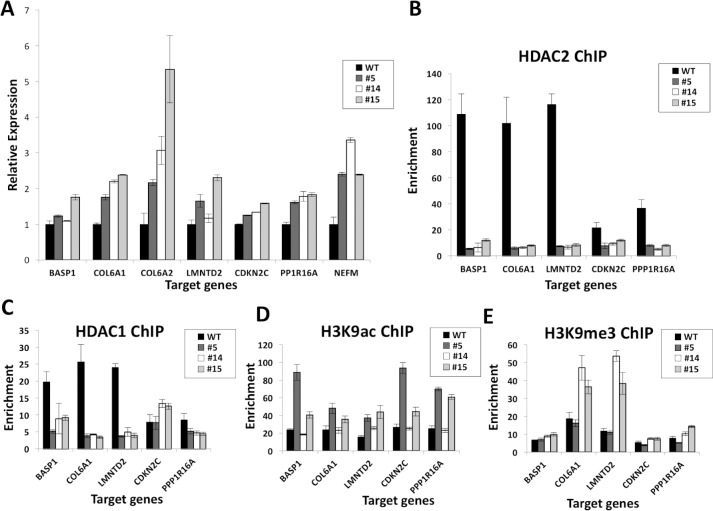
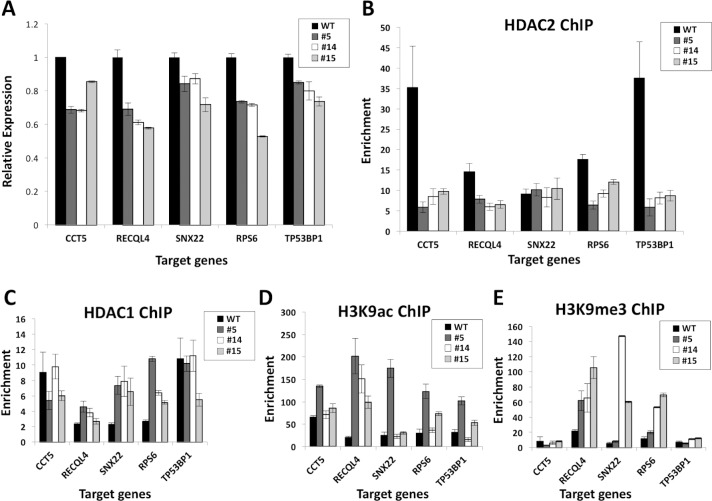
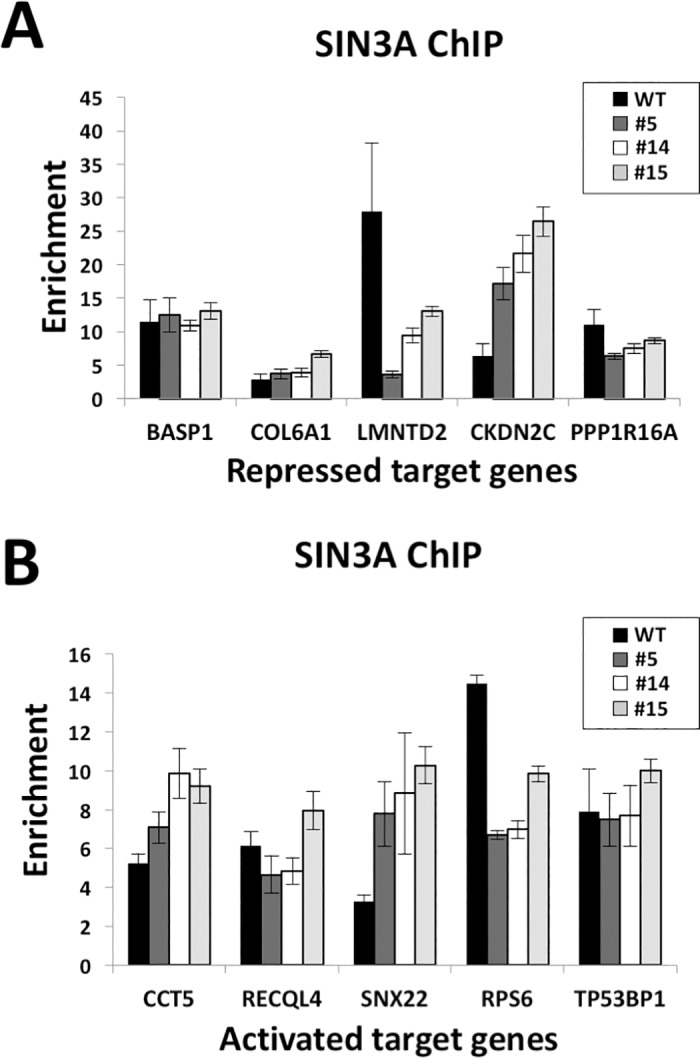
The transcriptional functions of the class I histone deacetylases (HDACs) HDAC1 and HDAC2 are mainly viewed as both repressive and redundant based on murine knockout studies, but they may have additional independent roles and their physiological functions in human cells are not as clearly defined. To address the individual epigenomic functions of HDAC2, here we utilized CRISPR-Cas9 to disrupt HDAC2 in human cells. We find that while HDAC2 null cells exhibited signs of cross-regulation between HDAC1 and HDAC2, specific epigenomic phenotypes were still apparent using RNA-seq and ChIP assays. We identified specific targets of HDAC2 repression, and defined a novel class of genes that are actively expressed in a partially HDAC2-dependent manner. While HDAC2 was required for the recruitment of HDAC1 to repressed HDAC2-gene targets, HDAC2 was dispensable for HDAC1 binding to HDAC2-activated targets, supporting the notion of distinct classes of targets. Both active and repressed classes of gene targets demonstrated enhanced histone acetylation and methylation in HDAC2-null cells. Binding of the HDAC1/2-associated SIN3A corepressor was altered at most HDAC2-targets, but without a clear pattern. Overall, our study defines two classes of HDAC2 targets in human cells, with a dependence of HDAC1 on HDAC2 at one class of targets, and distinguishes unique functions for HDAC2.
基于小鼠基因敲除研究,I类组蛋白去乙酰化酶(HDAC)HDAC1和HDAC2的转录功能主要被视为具有抑制作用且功能冗余,但它们可能具有额外的独立作用,且其在人类细胞中的生理功能尚未明确界定。为了研究HDAC2的个体表观基因组功能,我们利用CRISPR-Cas9技术在人类细胞中破坏HDAC2。我们发现,虽然HDAC2缺失细胞表现出HDAC1和HDAC2之间的交叉调节迹象,但使用RNA测序和染色质免疫沉淀分析仍可观察到特定的表观基因组表型。我们鉴定了HDAC2抑制的特定靶点,并定义了一类以部分HDAC2依赖方式活跃表达的新基因。虽然HDAC2是HDAC1募集到被抑制的HDAC2基因靶点所必需的,但HDAC2对于HDAC1与HDAC2激活靶点的结合并非必需,这支持了不同类型靶点的概念。在HDAC2缺失细胞中,活跃和被抑制的基因靶点类别均表现出组蛋白乙酰化和甲基化增强。HDAC1/2相关的SIN3A共抑制因子在大多数HDAC2靶点处的结合发生了改变,但没有明确的模式。总体而言,我们的研究定义了人类细胞中两类HDAC2靶点,其中一类靶点上HDAC1依赖于HDAC2,并区分了HDAC2的独特功能。