Department of Medicine I, Division: Institute of Cancer Research, Comprehensive Cancer Center, Medical University of Vienna, 1090 Vienna, Austria.
Institute for Clinical Chemistry, Medical Faculty Mannheim, University of Heidelberg, University Hospital Mannheim, 68167 Mannheim, Germany.
Int J Mol Sci. 2017 Oct 10;18(10):2119. doi: 10.3390/ijms18102119.
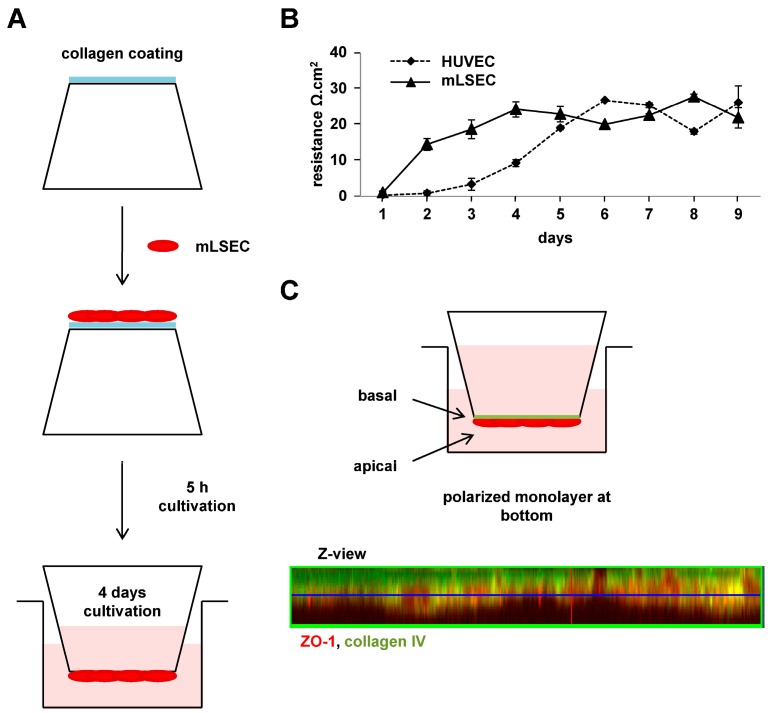
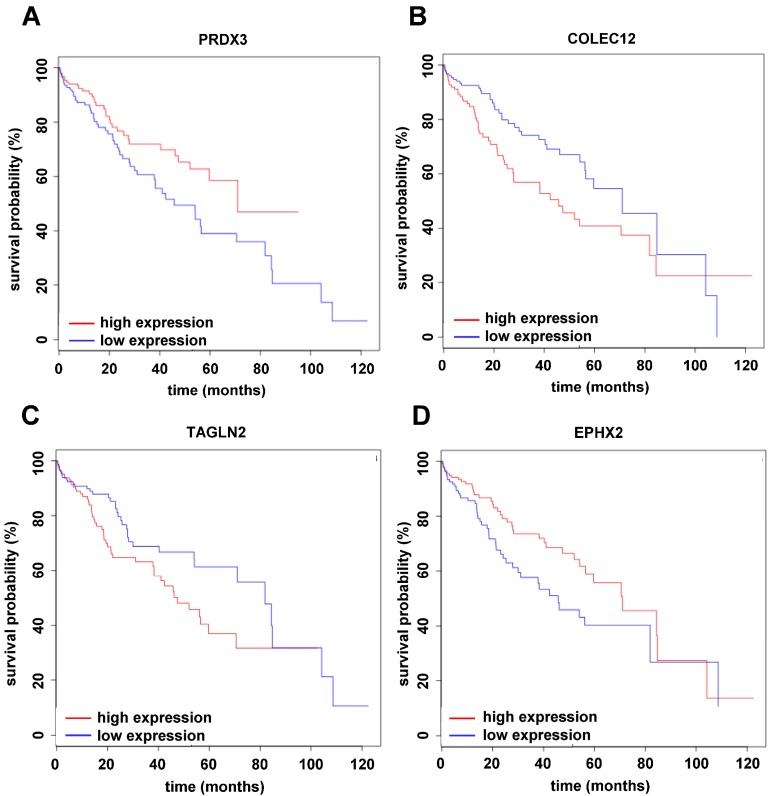
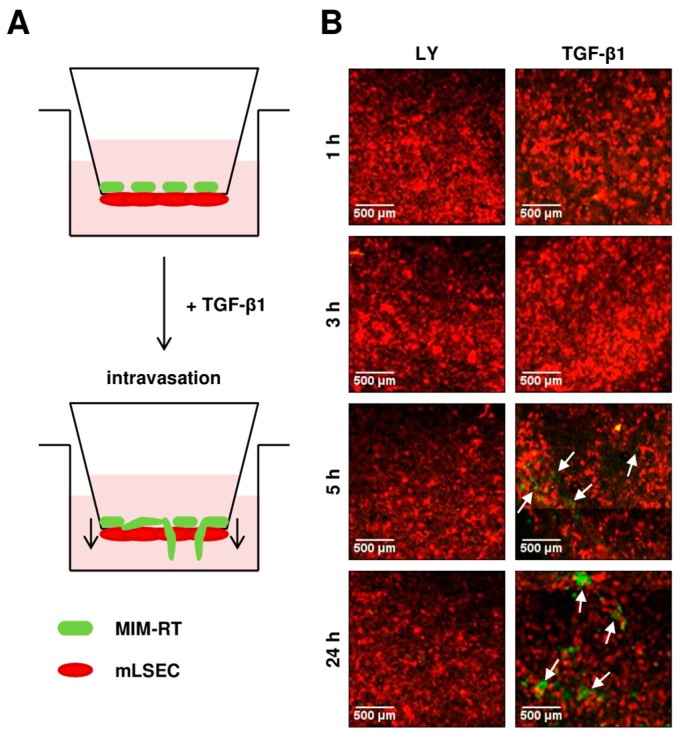
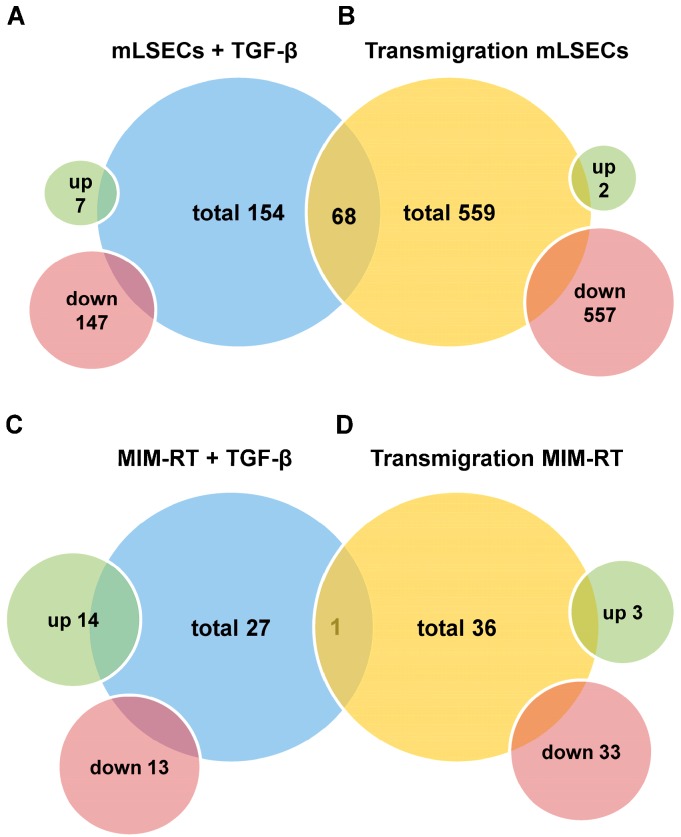
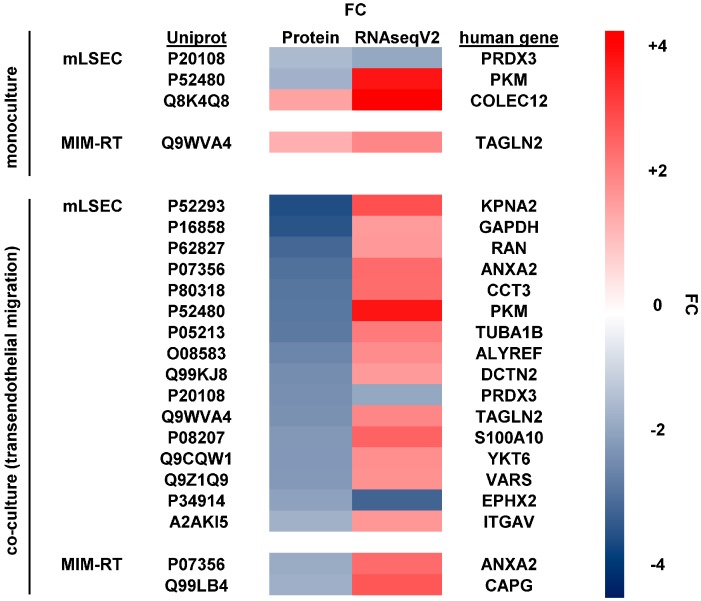
The entry of malignant hepatocytes into blood vessels is a key step in the dissemination and metastasis of hepatocellular carcinoma (HCC). The identification of molecular mechanisms involved in the transmigration of malignant hepatocytes through the endothelial barrier is of high relevance for therapeutic intervention and metastasis prevention. In this study, we employed a model of hepatocellular transmigration that mimics vascular invasion using hepatic sinusoidal endothelial cells and malignant hepatocytes evincing a mesenchymal-like, invasive phenotype by transforming growth factor (TGF)-β. Labelling of respective cell populations with various stable isotopes and subsequent mass spectrometry analyses allowed the "real-time" detection of molecular changes in both transmigrating hepatocytes and endothelial cells. Interestingly, the proteome profiling revealed 36 and 559 regulated proteins in hepatocytes and endothelial cells, respectively, indicating significant changes during active transmigration that mostly depends on cell-cell interaction rather than on TGF-β alone. Importantly, matching these in vitro findings with HCC patient data revealed a panel of common molecular alterations including peroxiredoxin-3, epoxide hydrolase, transgelin-2 and collectin 12 that are clinically relevant for the patient's survival. We conclude that hepatocellular plasticity induced by TGF-β is crucially involved in blood vessel invasion of HCC cells.
肝癌细胞进入血管是其扩散和转移的关键步骤。鉴定肝癌细胞通过内皮屏障迁移的分子机制对于治疗干预和转移预防具有重要意义。在这项研究中,我们采用了一种模拟肝窦内皮细胞中血管侵犯的肝癌细胞迁移模型,该模型通过转化生长因子 (TGF)-β诱导获得间充质样、侵袭表型。用不同的稳定同位素标记各个细胞群,并随后进行质谱分析,允许实时检测迁移的肝癌细胞和内皮细胞中分子的变化。有趣的是,蛋白质组谱分析分别在肝癌细胞和内皮细胞中鉴定到 36 个和 559 个受调控的蛋白,表明在主动迁移过程中发生了显著变化,而这主要依赖于细胞-细胞相互作用而不仅仅依赖于 TGF-β。重要的是,将这些体外发现与 HCC 患者数据相匹配,揭示了一组常见的分子改变,包括过氧化物酶 3、环氧化物水解酶、转胶蛋白-2 和胶原 12,这些改变与患者的生存具有临床相关性。我们得出结论,TGF-β诱导的肝癌细胞可塑性在 HCC 细胞的血管侵犯中起着至关重要的作用。