Shivers B D, Hilbich C, Multhaup G, Salbaum M, Beyreuther K, Seeburg P H
Zentrum für Molekulare Biologie, Universität Heidelberg, FRG.
EMBO J. 1988 May;7(5):1365-70. doi: 10.1002/j.1460-2075.1988.tb02952.x.
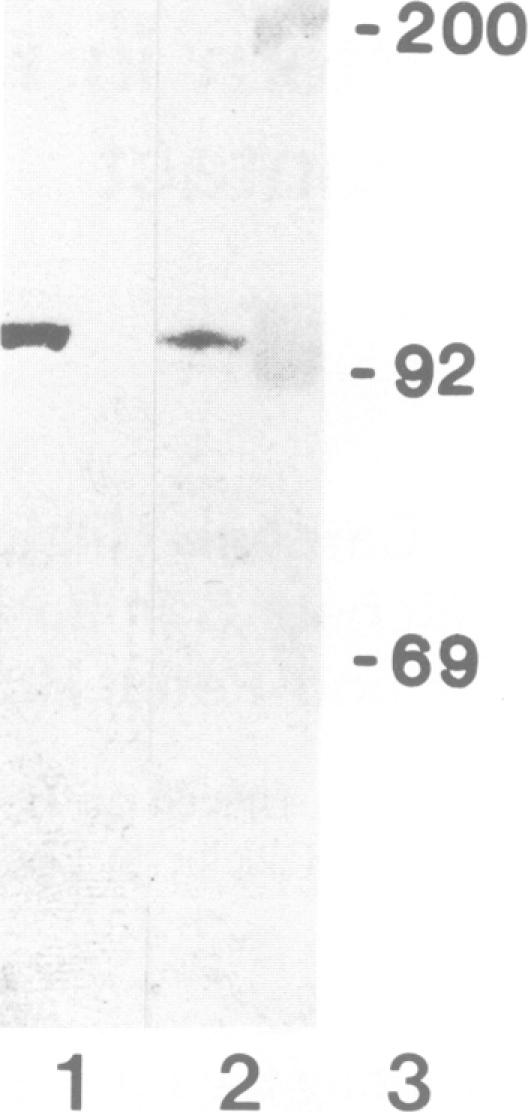
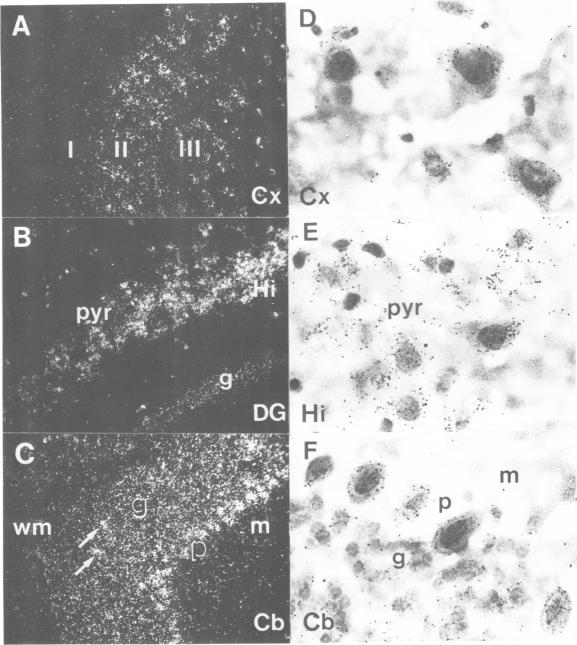
The cloned cDNA encoding the rat cognate of the human A4 amyloid precursor protein was isolated from a rat brain library. The predicted primary structure of the 695-amino acid-long protein displays 97% identity to its human homologue shown previously to resemble an integral membrane protein. The protein was detected in rodent brain and muscle by Western blot analysis. Using in situ hybridization and immunocytochemistry on rat brain sections, we discovered that rat amyloidogenic glycoprotein (rAG) and its mRNA are ubiquitously and abundantly expressed in neurons indicating a neuronal original for the amyloid deposits observed in humans with Alzheimer's disease (AD). The protein appears in patches on or near the plasma membranes of neurons suggesting a role for this protein in cell contact. Highest expression was seen in rat brain regions where amyloid is deposited in AD but also in areas which do not contain deposits in AD. Since amyloid deposits are rarely observed in rat brain, we conclude that high expression of AG is not the sole cause of amyloidosis.
从大鼠脑文库中分离出编码人A4淀粉样前体蛋白大鼠同源物的克隆cDNA。预测的695个氨基酸长的蛋白质的一级结构与先前显示类似于整合膜蛋白的人类同源物有97%的同一性。通过蛋白质印迹分析在啮齿动物的脑和肌肉中检测到了该蛋白。在大鼠脑切片上使用原位杂交和免疫细胞化学方法,我们发现大鼠淀粉样生成糖蛋白(rAG)及其mRNA在神经元中普遍且大量表达,这表明在阿尔茨海默病(AD)患者中观察到的淀粉样沉积物起源于神经元。该蛋白出现在神经元质膜上或附近的斑块中,表明该蛋白在细胞接触中起作用。在AD中淀粉样蛋白沉积的大鼠脑区域以及AD中不含沉积物的区域都观察到了最高表达。由于在大鼠脑中很少观察到淀粉样沉积物,我们得出结论,AG的高表达不是淀粉样变性的唯一原因。