Centre de Bioinformatique de Bordeaux, Centre de Génomique Fonctionnelle de Bordeaux, University of Bordeaux, Bordeaux, France
Immunoconcept, CNRS UMR 5164, University of Bordeaux, Bordeaux, France.
mBio. 2017 Oct 10;8(5):e01492-17. doi: 10.1128/mBio.01492-17.
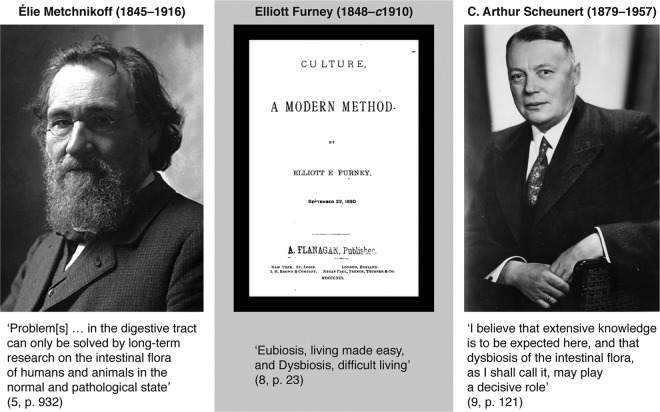
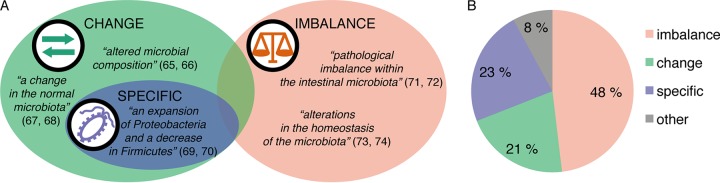
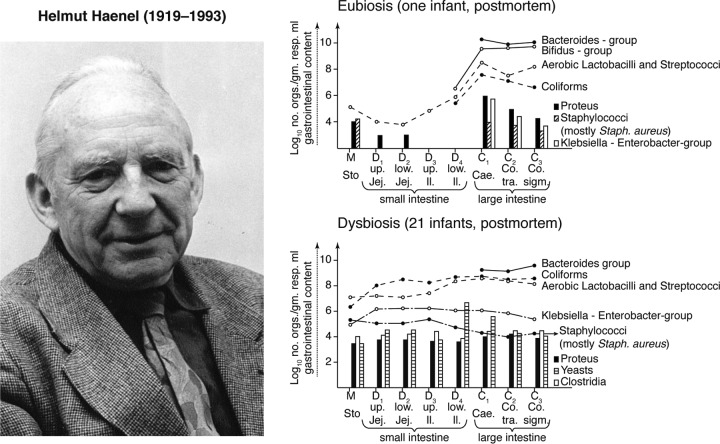
Dysbiosis is a key term in human microbiome research, especially when microbiome patterns are associated with disease states. Although some questions have been raised about how this term is applied, its use continues undiminished in the literature. We investigate the ways in which microbiome researchers discuss dysbiosis and then assess the impact of different concepts of dysbiosis on microbiome research. After an overview of the term's historical roots, we conduct quantitative and qualitative analyses of a large selection of contemporary dysbiosis statements. We categorize both short definitions and longer conceptual statements about dysbiosis. Further analysis allows us to identify the problematic implications of how dysbiosis is used, particularly with regard to causal hypotheses and normal-abnormal distinctions. We suggest that researchers should reflect carefully on the ways in which they discuss dysbiosis, in order for the field to continue to develop greater predictive scope and explanatory depth.
生态失调是人类微生物组研究中的一个关键术语,特别是当微生物组模式与疾病状态相关联时。尽管人们对如何应用这个术语提出了一些疑问,但它在文献中的使用仍然没有减少。我们调查了微生物组研究人员讨论生态失调的方式,然后评估了不同生态失调概念对微生物组研究的影响。在概述了这个术语的历史渊源之后,我们对大量当代生态失调陈述进行了定量和定性分析。我们对生态失调的简短定义和更长的概念陈述进行了分类。进一步的分析使我们能够识别出生态失调使用方式所带来的问题,特别是在因果假设和正常-异常区分方面。我们建议研究人员应该仔细思考他们讨论生态失调的方式,以便该领域能够继续发展出更大的预测范围和解释深度。