Oliveira André L M, Santos Odair J A P, Marcelino Paulo R F, Milani Karina M L, Zuluaga Mónica Y A, Zucareli Claudemir, Gonçalves Leandro S A
Departamento de Bioquímica e Biotecnologia, Centro de Ciências Exatas, Universidade Estadual de Londrina, Londrina, Brazil.
Departamento de Agronomia, Centro de Ciências Agrárias, Universidade Estadual de Londrina, Londrina, Brazil.
Front Microbiol. 2017 Sep 26;8:1873. doi: 10.3389/fmicb.2017.01873. eCollection 2017.
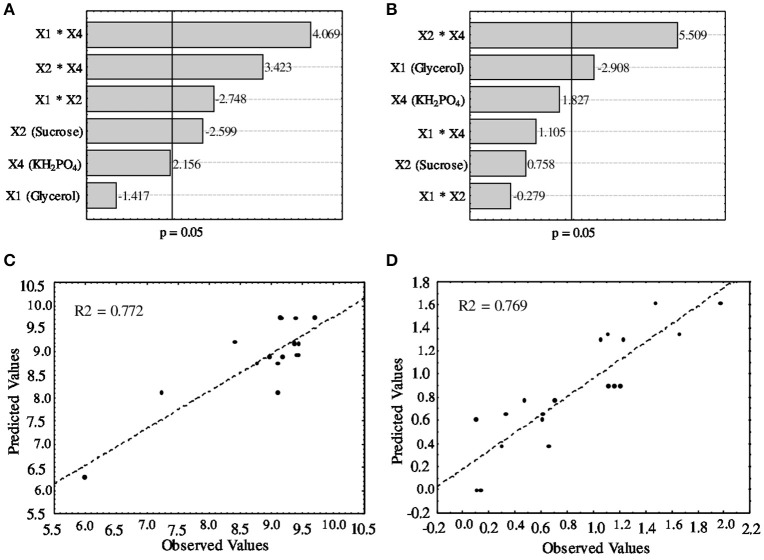
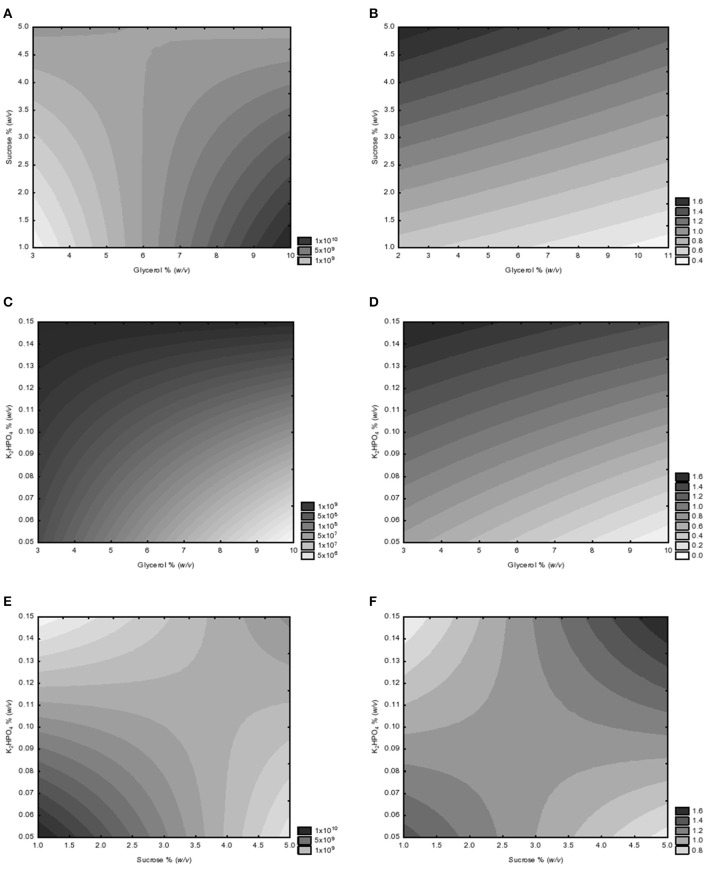
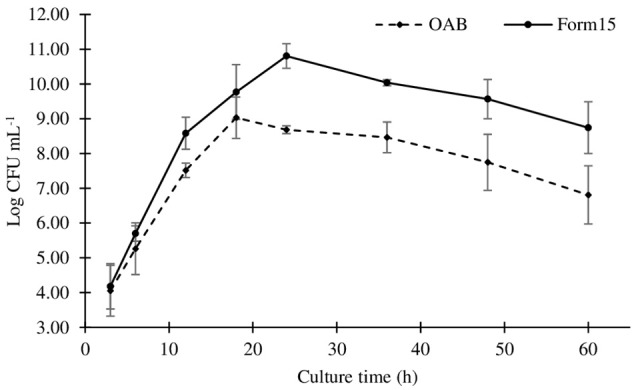
Although strains used in commercial inoculant formulations presents diazotrophic activity, it has been reported that their ability to produce phytohormones plays a pivotal role in plant growth-promotion, leading to a general recommendation of its use in association with regular N-fertilizer doses. In addition, a high variability in the effectiveness of inoculants is still reported under field conditions, contributing to the adoption of the inoculation technology as an additional management practice rather than its use as an alternative practice to the use of chemical inputs in agriculture. To investigate whether the content of stress-resistance biopolymers would improve the viability and performance of inoculants when used as substitute of N-fertilizers, biomass of strain Ab-V5 enriched in exopolysaccharides (EPS) and polyhydroxybutirate (PHB) was produced using a new culture medium developed by factorial mixture design, and the effectiveness of resulting inoculants was evaluated under field conditions. The culture medium formulation extended the log phase of cultures, which presented higher cell counts and increased EPS and PHB contents than observed in the cultures grown in the OAB medium used as control. An inoculation trial with maize conducted under greenhouse conditions and using the biopolymers-enriched Ab-V5 cells demonstrated the importance of EPS and PHB to the long term bacterial viability in soil and to the effectiveness of inoculation. The effectiveness of liquid and peat inoculants prepared with Ab-V5 cells enriched with EPS and PHB was also evaluated under field conditions, using maize as target crop along different seasons, with the inoculants applied directly over seeds or at topdressing under limiting levels of N-fertilization. No additive effect on yield resulted from inoculation under high N fertilizer input, while inoculated plants grown under 80% reduction in N fertilizer showed yields at levels compared to fully fertilized plants, regardless the inoculation method. The presented data highlights the feasibility to partially substitute the N-fertilizer demand in non-legume crops using high-quality inoculant formulations, prepared with diazotrophic bacteria enriched with stress-resistance biopolymers that confer increased viability an effectiveness to the bacterial cells.
尽管商业接种剂配方中使用的菌株具有固氮活性,但据报道,它们产生植物激素的能力在促进植物生长中起着关键作用,因此普遍建议将其与常规氮肥用量结合使用。此外,据报道,在田间条件下接种剂的有效性仍存在很大差异,这使得接种技术被用作一种额外的管理措施,而不是作为农业中使用化学投入物的替代措施。为了研究抗逆生物聚合物的含量是否会在用作氮肥替代品时提高接种剂的活力和性能,使用通过析因混合物设计开发的新培养基生产了富含胞外多糖(EPS)和聚羟基丁酸酯(PHB)的菌株Ab-V5的生物量,并在田间条件下评估了所得接种剂的有效性。培养基配方延长了培养物的对数期,与用作对照的OAB培养基中生长的培养物相比,该培养物呈现出更高的细胞计数以及增加的EPS和PHB含量。在温室条件下对玉米进行的接种试验,使用富含生物聚合物的Ab-V5细胞,证明了EPS和PHB对土壤中细菌的长期活力以及接种有效性的重要性。还在田间条件下评估了用富含EPS和PHB的Ab-V5细胞制备的液体和泥炭接种剂的有效性,以玉米作为目标作物,在不同季节进行,接种剂直接施用于种子上或在氮肥限量条件下进行追肥。在高氮肥投入下接种对产量没有累加效应,而在氮肥减少80%的情况下生长的接种植物,无论接种方法如何,其产量与完全施肥的植物相当。所呈现的数据突出了使用高质量接种剂配方部分替代非豆科作物氮肥需求的可行性,该配方由富含抗逆生物聚合物的固氮细菌制备,这些聚合物赋予细菌细胞更高的活力和有效性。