Pletzer Daniel, Wolfmeier Heidi, Bains Manjeet, Hancock Robert E W
Department of Microbiology and Immunology, Centre for Microbial Diseases and Immunity Research, University of British Columbia, Vancouver, BC, Canada.
Front Microbiol. 2017 Sep 27;8:1867. doi: 10.3389/fmicb.2017.01867. eCollection 2017.
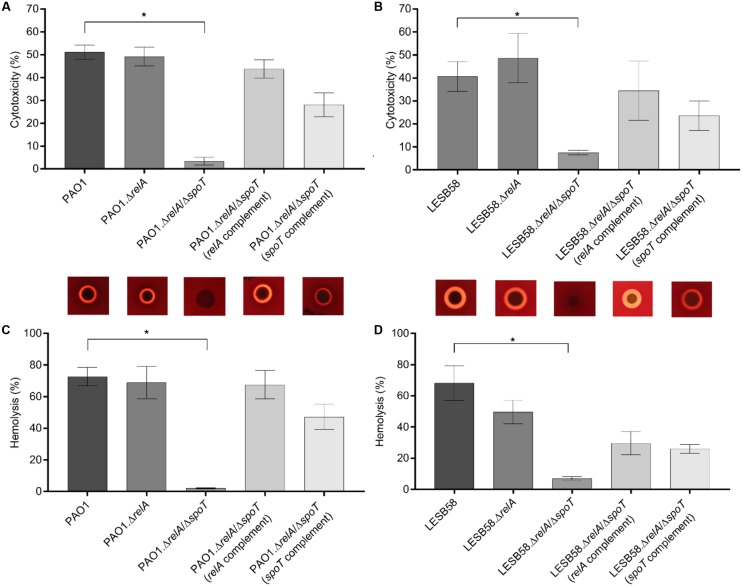
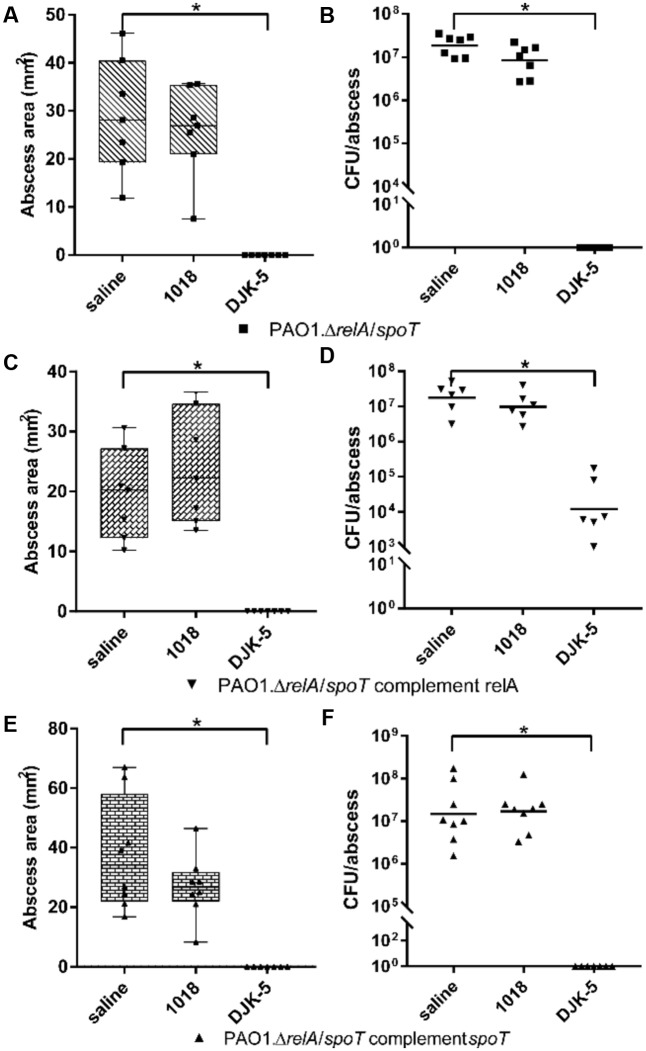
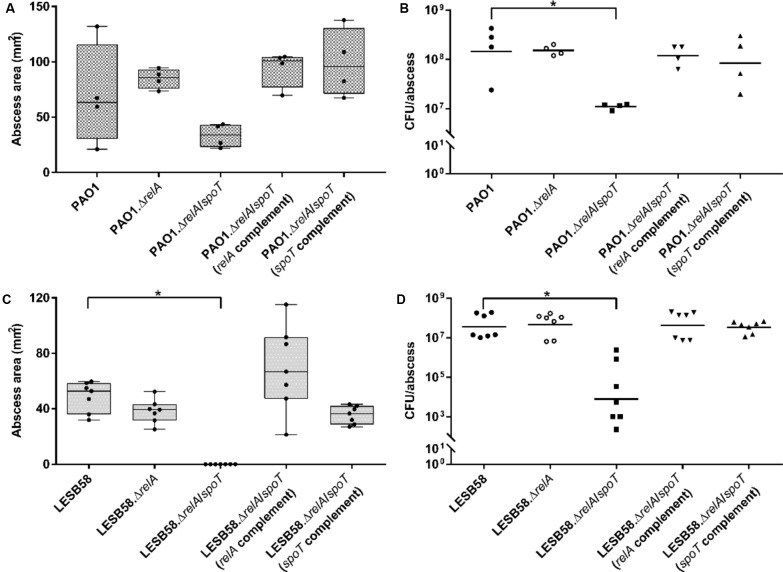
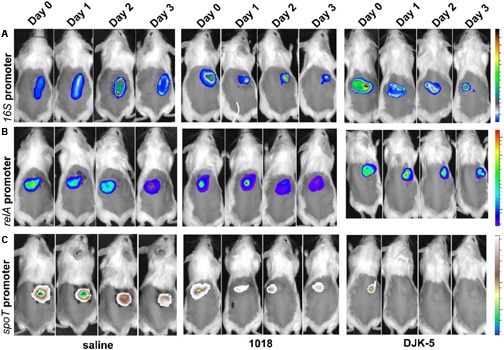
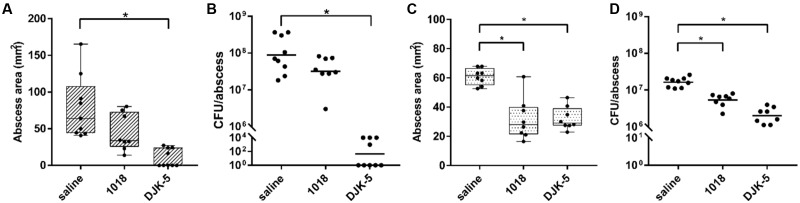
Microorganisms continuously monitor their surroundings and adaptively respond to environmental cues. One way to cope with various stress-related situations is through the activation of the stringent stress response pathway. In this pathway is controlled and coordinated by the activity of the RelA and SpoT enzymes that metabolize the small nucleotide secondary messenger molecule (p)ppGpp. Intracellular ppGpp concentrations are crucial in mediating adaptive responses and virulence. Targeting this cellular stress response has recently been the focus of an alternative approach to fight antibiotic resistant bacteria. Here, we examined the role of the stringent response in the virulence of PAO1 and the Liverpool epidemic strain LESB58. A Δ/Δ double mutant showed decreased cytotoxicity toward human epithelial cells, exhibited reduced hemolytic activity, and caused down-regulation of the expression of the alkaline protease gene in stringent response mutants grown on blood agar plates. Promoter fusions of or to a bioluminescence reporter gene revealed that both genes were expressed during the formation of cutaneous abscesses in mice. Intriguingly, virulence was attenuated by the Δ/Δ double mutant, but not the mutant nor the Δ/Δ complemented with either gene. Treatment of a cutaneous PAO1 infection with anti-biofilm peptides increased animal welfare, decreased dermonecrotic lesion sizes, and reduced bacterial numbers recovered from abscesses, resembling the phenotype of the Δ/Δ infection. It was previously demonstrated by our lab that ppGpp could be targeted by synthetic peptides; here we demonstrated that promoter activity was suppressed during cutaneous abscess formation by treatment with peptides DJK-5 and 1018, and that a peptide-treated complemented stringent response double mutant strain exhibited reduced peptide susceptibility. Overall these data strongly indicated that synthetic peptides target the stringent response and thus offer a promising novel therapeutic approach.
微生物不断监测其周围环境,并对环境线索做出适应性反应。应对各种与应激相关情况的一种方式是通过激活严谨应激反应途径。在该途径中,由RelA和SpoT酶的活性控制和协调,这些酶代谢小核苷酸第二信使分子(p)ppGpp。细胞内ppGpp浓度在介导适应性反应和毒力方面至关重要。针对这种细胞应激反应最近已成为对抗抗生素耐药细菌的一种替代方法的焦点。在这里,我们研究了严谨反应在PAO1和利物浦流行菌株LESB58毒力中的作用。一个Δ/Δ双突变体对人上皮细胞的细胞毒性降低,溶血活性降低,并且在血琼脂平板上生长的严谨反应突变体中碱性蛋白酶基因的表达下调。或与生物发光报告基因的启动子融合表明,这两个基因在小鼠皮肤脓肿形成过程中均有表达。有趣的是,Δ/Δ双突变体减弱了毒力,但单突变体或用任一基因互补的Δ/Δ双突变体则没有。用抗生物膜肽治疗皮肤PAO1感染可提高动物健康水平,减小皮肤坏死病变大小,并减少从脓肿中回收的细菌数量,类似于Δ/Δ感染的表型。我们实验室之前已证明ppGpp可被合成肽靶向;在这里我们证明,在皮肤脓肿形成过程中,用肽DJK-5和1018处理可抑制启动子活性,并且经肽处理的互补严谨反应双突变体菌株对肽的敏感性降低。总体而言这些数据有力地表明,合成肽靶向严谨反应,因此提供了一种有前景的新型治疗方法。