Yamauchi Akihiro, Kamiyoshi Akiko, Koyama Teruhide, Iinuma Nobuyoshi, Yamaguchi Shumpei, Miyazaki Hiroyuki, Hirano Eiichi, Kaku Taiichi, Shindo Takayuki
Department of Cardiovascular Research, Shinshu University Graduate School of Medicine, Matsumoto, Japan.
Japan Bio Products Co., Ltd., Tokyo, Japan.
Heliyon. 2017 Sep 27;3(9):e00416. doi: 10.1016/j.heliyon.2017.e00416. eCollection 2017 Sep.
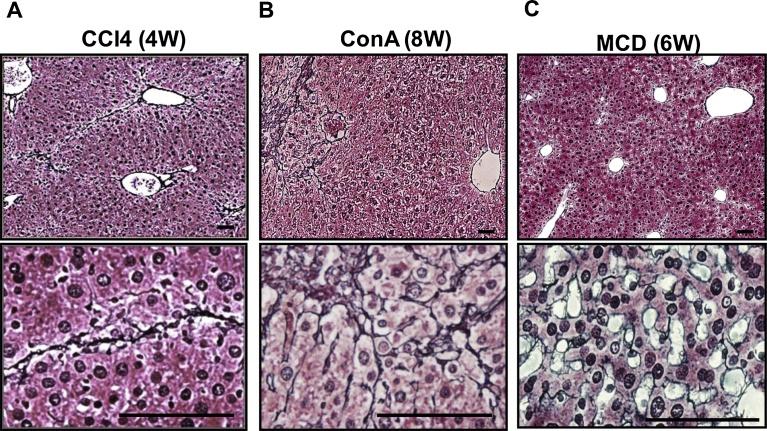
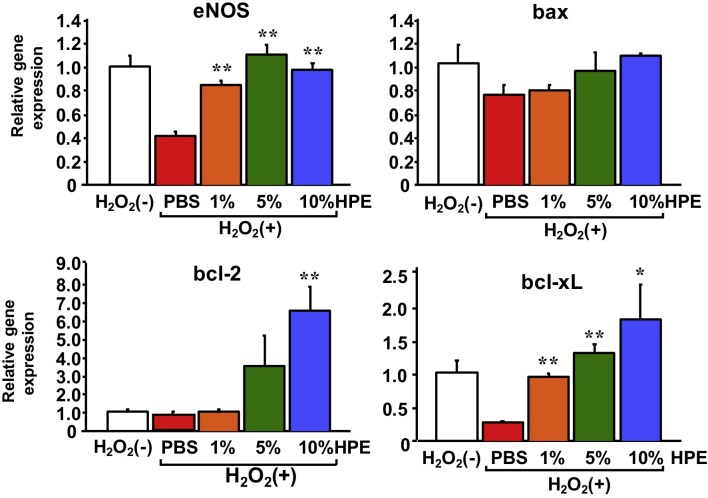
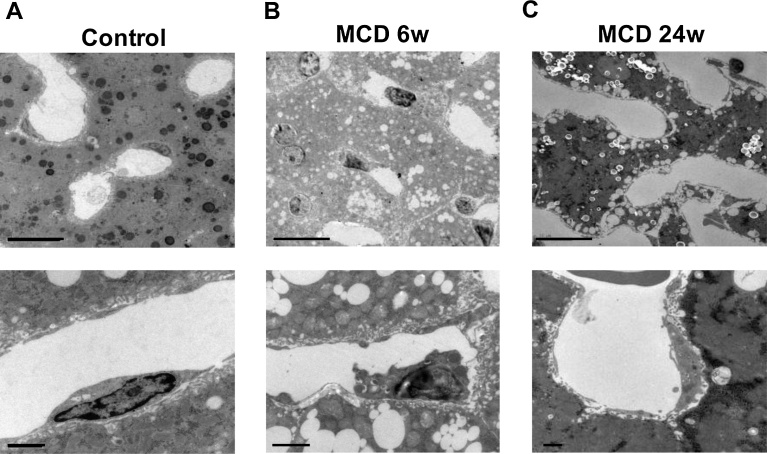
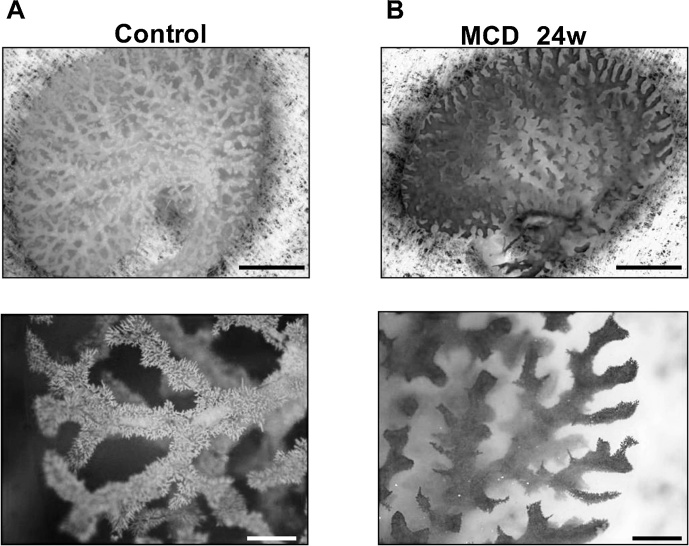
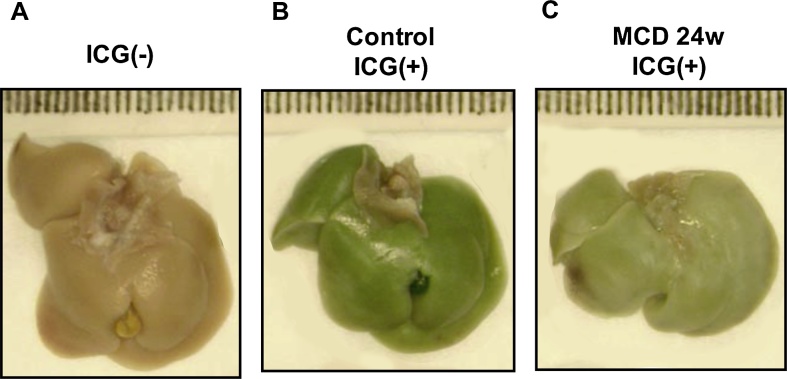
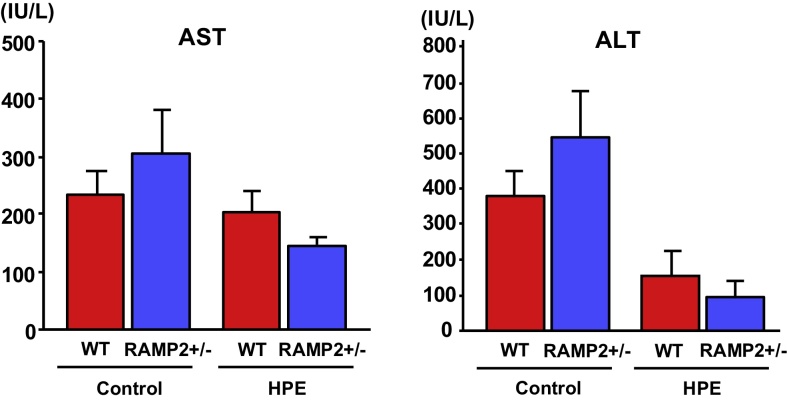
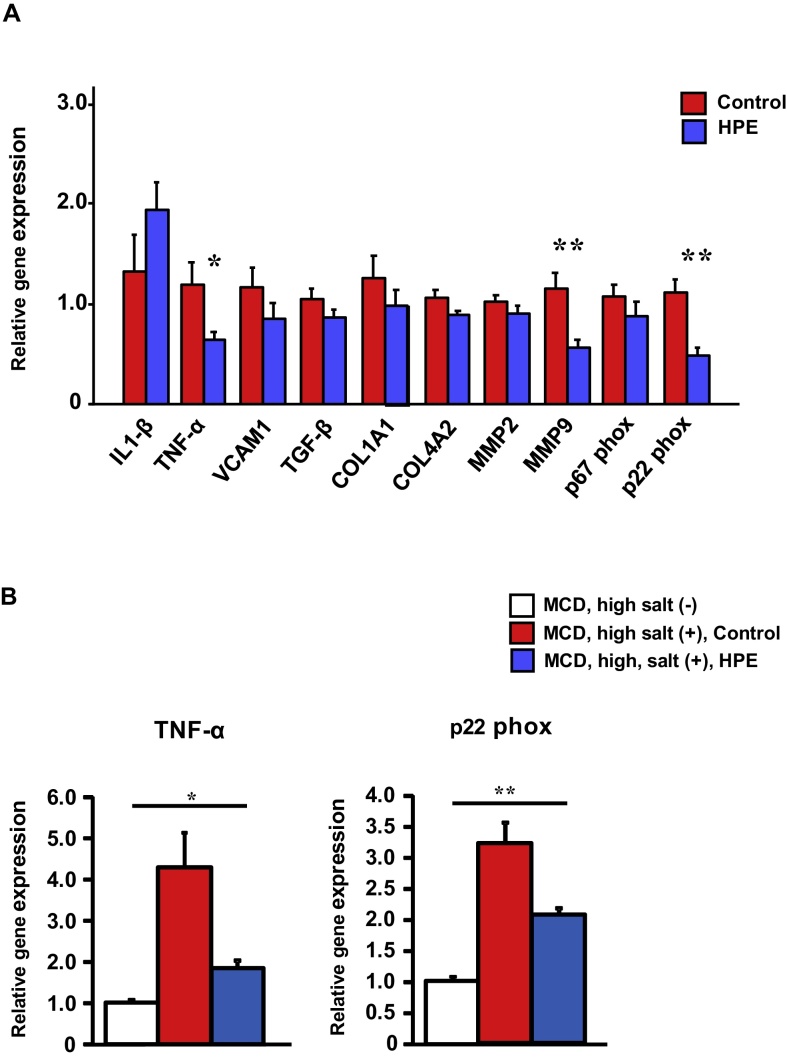
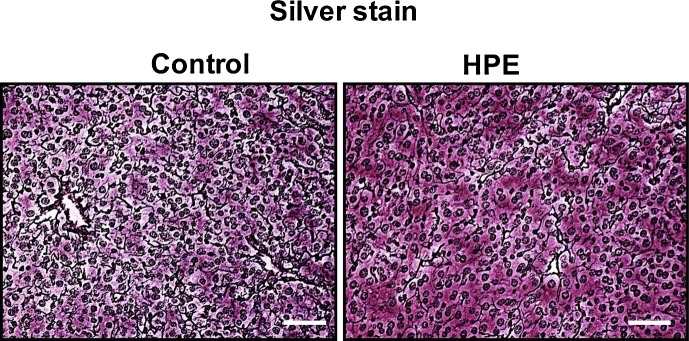
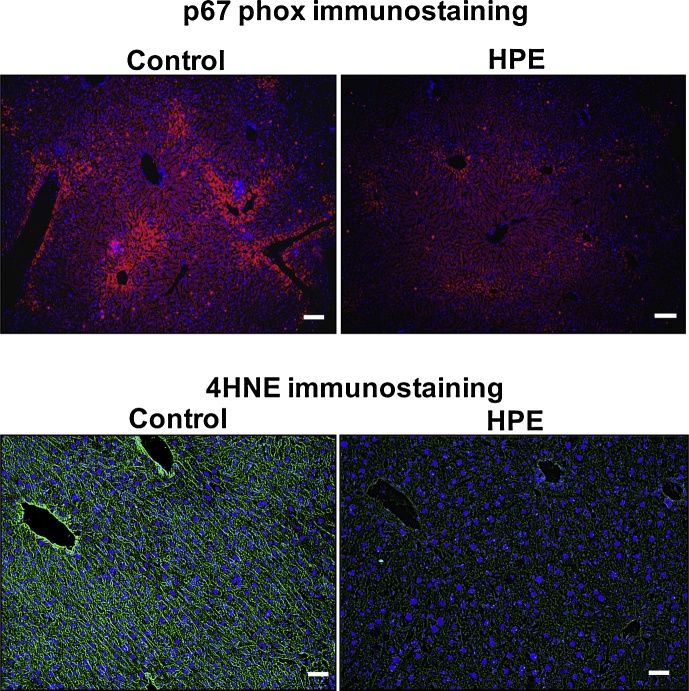
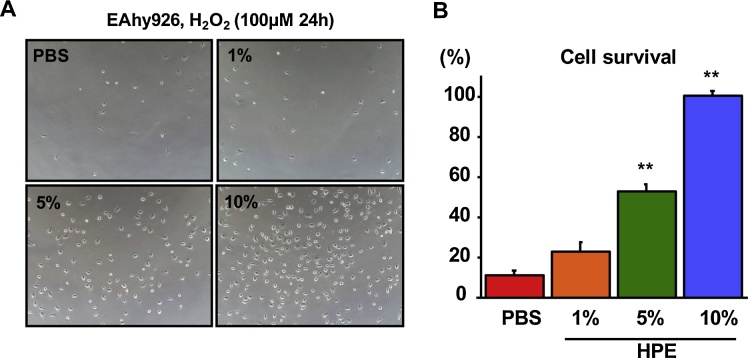
Non-alcoholic steatohepatitis (NASH) is a severe form of fatty liver disease that is defined by the presence of inflammation and fibrosis, ultimately leading to cirrhosis and hepatocellular carcinoma. Treatment with human placental extract (HPE) reportedly ameliorates the hepatic injury. We evaluated the effect of HPE treatment in a mouse model of NASH. In the methione- and choline-deficient (MCD) diet-induced liver injury model, fibrosis started from regions adjacent to the sinusoids. We administered the MCD diet with high-salt loading (8% NaCl in the drinking water) to mice deficient in the vasoprotective molecule RAMP2 for 5 weeks, with or without HPE. In both the HPE and control groups, fibrosis was seen in regions adjacent to the sinusoids, but the fibrosis was less pronounced in the HPE-treated mice. Levels of TNF-α and MMP9 expression were also significantly reduced in HPE-treated mice, and oxidative stress was suppressed in the perivascular region. In addition, HPE dose-dependently increased survival of cultured endothelial cells exposed to 100 μM HO, and it upregulated expression of eNOS and the anti-apoptotic factors bcl-2 and bcl-xL. From these observations, we conclude that HPE ameliorates NASH-associated pathologies by suppressing inflammation, oxidative stress and fibrosis. These beneficially effects of HPE are in part attributable to its protective effects on liver sinusoidal endothelial cells. HPE could thus be an attractive therapeutic candidate with which to suppress progression from simple fatty liver to NASH.
非酒精性脂肪性肝炎(NASH)是一种严重的脂肪性肝病,其定义为存在炎症和纤维化,最终可导致肝硬化和肝细胞癌。据报道,用人胎盘提取物(HPE)治疗可改善肝损伤。我们评估了HPE治疗在NASH小鼠模型中的效果。在蛋氨酸和胆碱缺乏(MCD)饮食诱导的肝损伤模型中,纤维化从紧邻肝血窦的区域开始。我们给缺乏血管保护分子RAMP2的小鼠喂食含高盐负荷(饮用水中含8%氯化钠)的MCD饮食5周,同时给予或不给予HPE。在HPE组和对照组中,均在紧邻肝血窦的区域观察到纤维化,但在接受HPE治疗的小鼠中纤维化程度较轻。在接受HPE治疗的小鼠中,TNF-α和MMP9的表达水平也显著降低,并且血管周围区域的氧化应激受到抑制。此外,HPE呈剂量依赖性地增加了暴露于100μM HO的培养内皮细胞的存活率,并且上调了eNOS以及抗凋亡因子bcl-2和bcl-xL的表达。基于这些观察结果,我们得出结论,HPE通过抑制炎症、氧化应激和纤维化来改善与NASH相关的病理状况。HPE的这些有益作用部分归因于其对肝血窦内皮细胞的保护作用。因此,HPE可能是一种有吸引力的治疗候选物,可用于抑制从单纯性脂肪肝向NASH的进展。