Department of Biology, Johns Hopkins University, Baltimore, United States.
TC Jenkins Department of Biophysics, Johns Hopkins University, Baltimore, United States.
Elife. 2017 Oct 12;6:e30688. doi: 10.7554/eLife.30688.
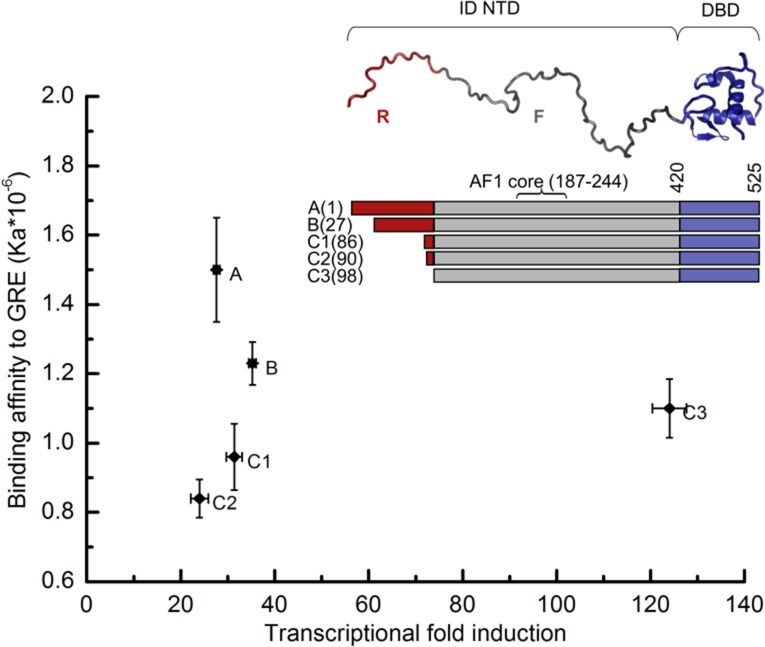
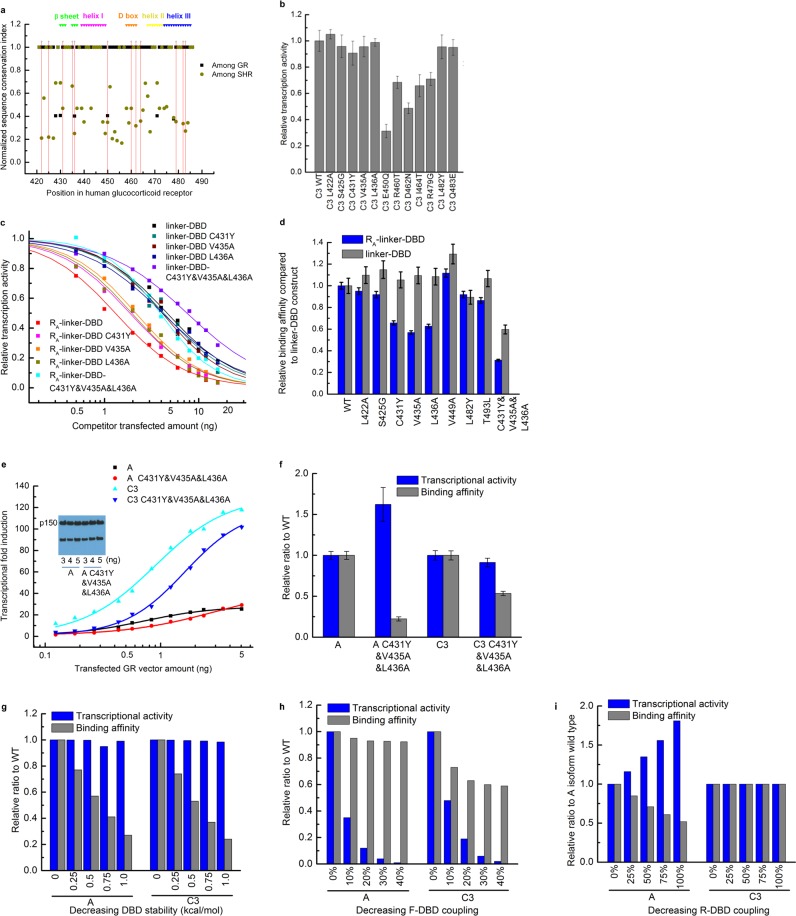
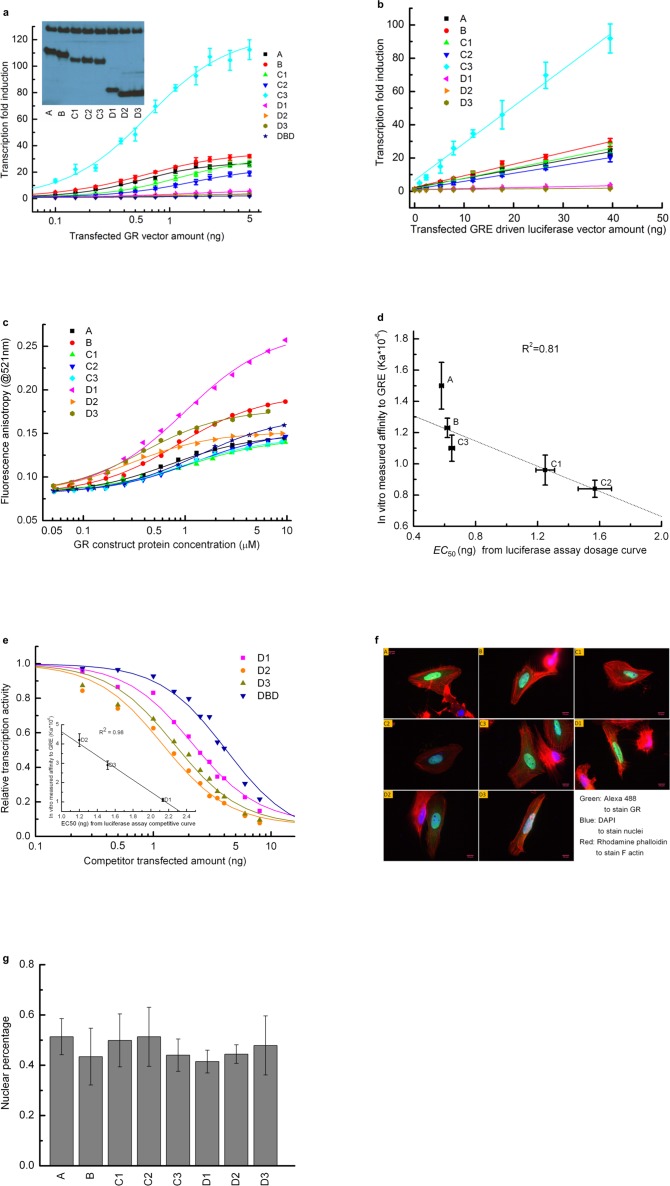
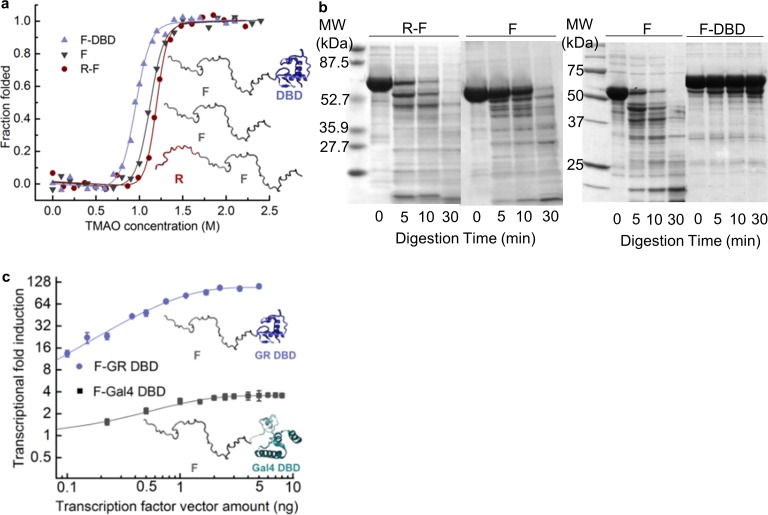
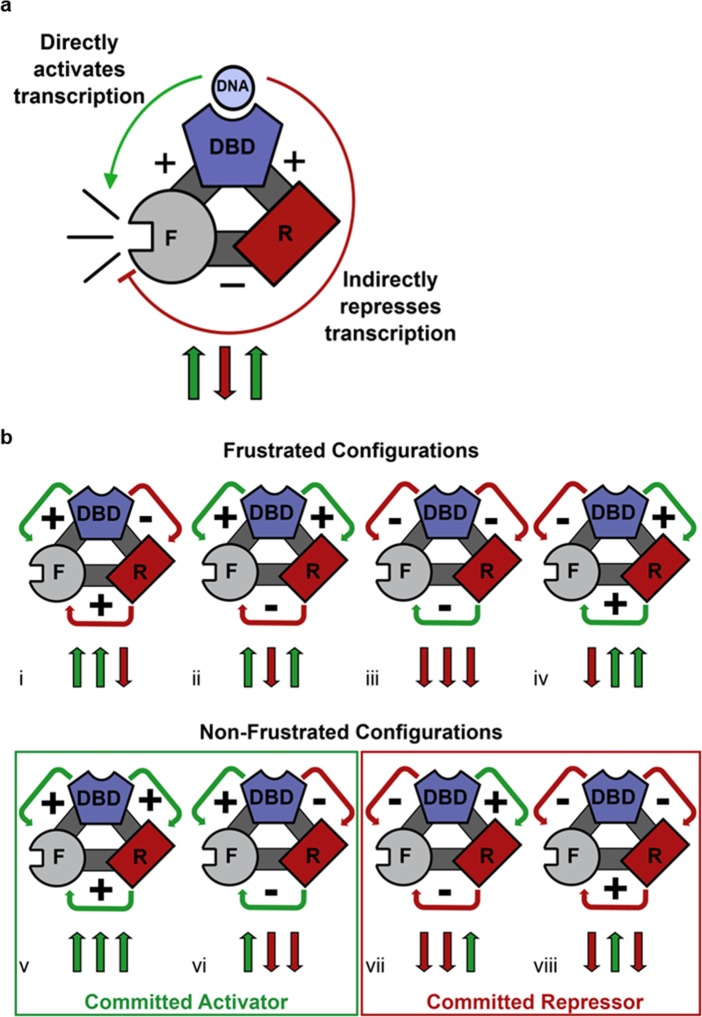
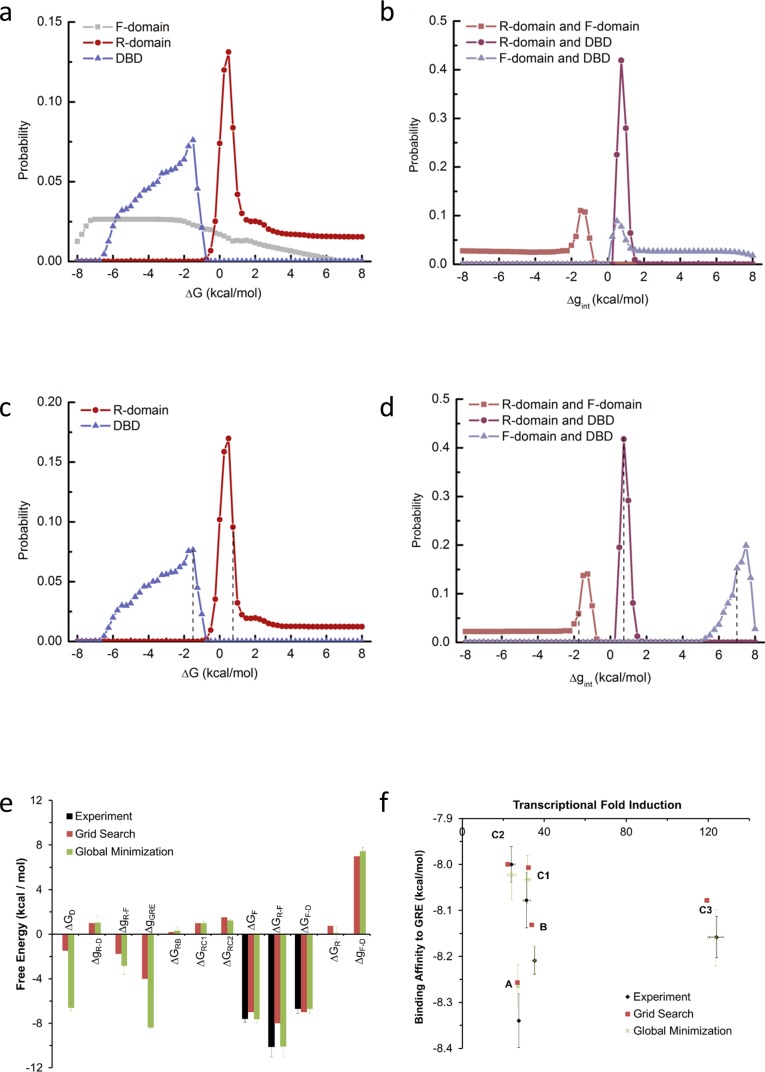
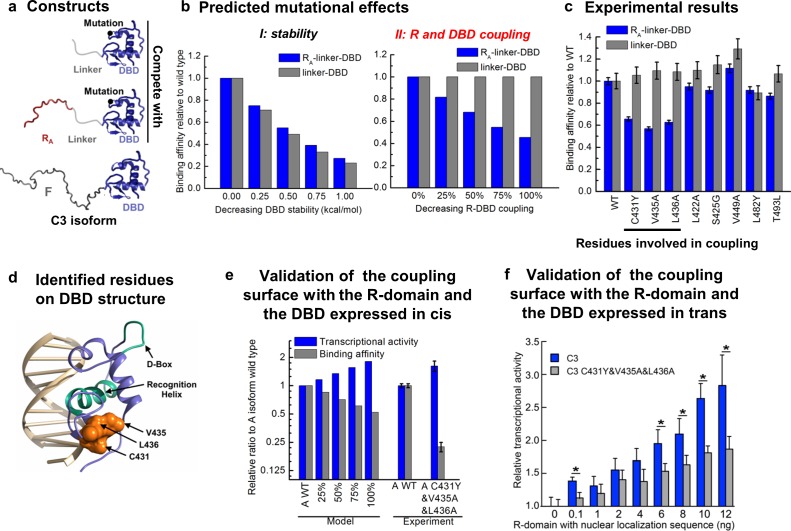
Intrinsically disordered proteins (IDPs) present a functional paradox because they lack stable tertiary structure, but nonetheless play a central role in signaling, utilizing a process known as allostery. Historically, allostery in structured proteins has been interpreted in terms of propagated structural changes that are induced by effector binding. Thus, it is not clear how IDPs, lacking such well-defined structures, can allosterically affect function. Here, we show a mechanism by which an IDP can allosterically control function by simultaneously tuning transcriptional activation and repression, using a novel strategy that relies on the principle of 'energetic frustration'. We demonstrate that human glucocorticoid receptor tunes this signaling in vivo by producing translational isoforms differing only in the length of the disordered region, which modulates the degree of frustration. We expect this frustration-based model of allostery will prove to be generally important in explaining signaling in other IDPs.
无规卷曲蛋白质(IDPs)表现出一种功能上的悖论,因为它们缺乏稳定的三级结构,但在信号转导中起着核心作用,利用的是一种称为变构的过程。从历史上看,结构蛋白的变构作用是根据效应物结合所诱导的结构变化来解释的。因此,不清楚缺乏这种明确结构的 IDPs 如何变构影响功能。在这里,我们展示了一种机制,即通过同时调整转录激活和抑制,使用一种依赖于“能量受挫”原理的新策略,无规卷曲蛋白质可以变构控制功能。我们证明,人类糖皮质激素受体通过产生仅在无规卷曲区域长度上不同的翻译同工型来在体内调节这种信号转导,从而调节受挫的程度。我们预计,这种基于受挫的变构模型将被证明在解释其他 IDPs 的信号转导中具有普遍的重要性。