Teagasc, Animal and Bioscience Research Department, Animal and Grassland Research and Innovation Centre, Teagasc, Grange, Dunsany, County Meath, Ireland.
UCD, College of Health and Agricultural Sciences, University College Dublin Belfield, Dublin 4, Ireland.
Sci Rep. 2017 Oct 12;7(1):13047. doi: 10.1038/s41598-017-13013-y.
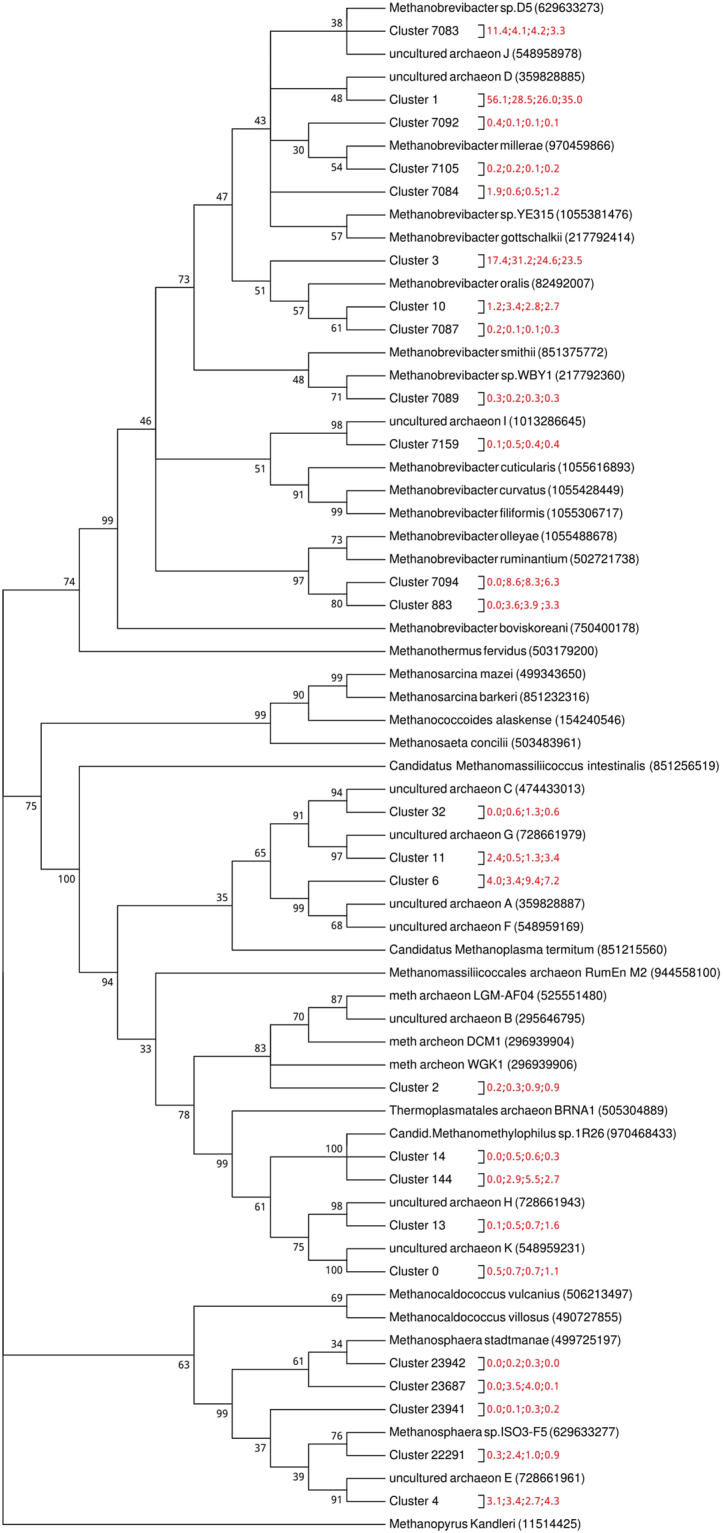
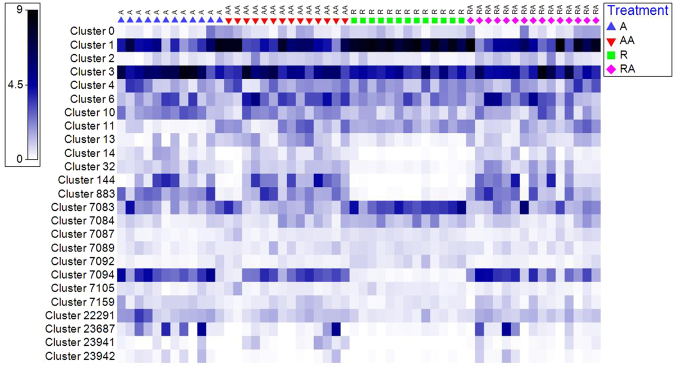
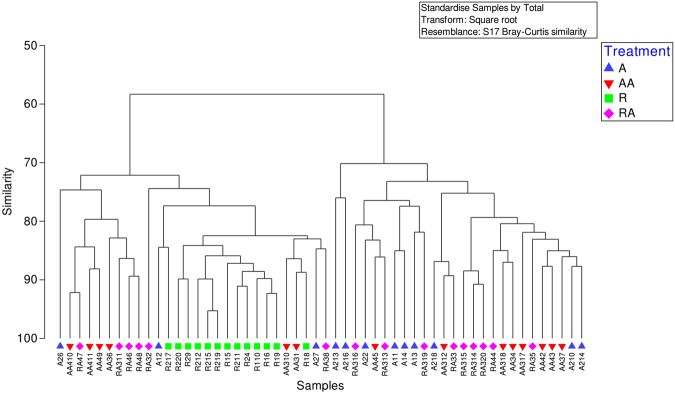
Methane generated during enteric fermentation in ruminant livestock species is a major contributor to global anthropogenic greenhouse gas emissions. A period of moderate feed restriction followed by ad libitum access to feed is widely applied in cattle management to exploit the animal's compensatory growth potential and reduce feed costs. In the present study, we utilised microbial RNA from rumen digesta samples to assess the phylogenetic diversity of transcriptionally active methanogens from feed-restricted and non-restricted animals. To determine the contribution of different rumen methanogens to methanogenesis during dietary restriction of cattle, we conducted high-throughput mcrA cDNA amplicon sequencing on an Illumina MiSeq and analysed both the abundance and phylogenetic origin of different mcrA cDNA sequences. When compared to their unrestricted contemporaries, in feed-restricted animals, the methanogenic activity, based on mcrA transcript abundance, of Methanobrevibacter gottschalkii clade increased while the methanogenic activity of the Methanobrevibacter ruminantium clade and members of the Methanomassiliicoccaceae family decreased. This study shows that the quantity of feed consumed can evoke large effects on the composition of methanogenically active species in the rumen of cattle. These data potentially have major implications for targeted CH mitigation approaches such as anti-methanogen vaccines and/or tailored dietary management.
反刍动物肠道发酵产生的甲烷是人为温室气体排放的主要贡献者。在牛的管理中,通常采用适度的限饲然后自由采食的方法来利用动物的补偿生长潜力和降低饲料成本。在本研究中,我们利用瘤胃液样本中的微生物 RNA,评估了限饲和非限饲动物中转录活跃的产甲烷菌的系统发育多样性。为了确定不同瘤胃产甲烷菌在牛限饲期间产甲烷作用的贡献,我们使用 Illumina MiSeq 进行了高通量 mcrA cDNA 扩增子测序,并分析了不同 mcrA cDNA 序列的丰度和系统发育起源。与非限饲的同龄动物相比,在限饲动物中,基于 mcrA 转录丰度的 Methanobrevibacter gottschalkii 分支的产甲烷活性增加,而 Methanobrevibacter ruminantium 分支和 Methanomassiliicoccaceae 家族成员的产甲烷活性降低。本研究表明,饲料的消耗量可以对牛瘤胃中产甲烷活性物种的组成产生巨大影响。这些数据可能对靶向 CH 减排方法(如抗甲烷菌疫苗和/或针对性的饮食管理)具有重大意义。