College of Horticulture and Plant Protection, Yangzhou University, Yangzhou, 225009, China.
BMC Genomics. 2017 Oct 13;18(1):783. doi: 10.1186/s12864-017-4180-x.
Sterile and fertile flowers are important evolutionary developmental phenotypes in angiosperm flowers. The development of floral organs, critical in angiosperm reproduction, is regulated by microRNAs (miRNAs). However, the mechanisms underpinning the miRNA regulation of the differentiation and development of sterile and fertile flowers remain unclear.
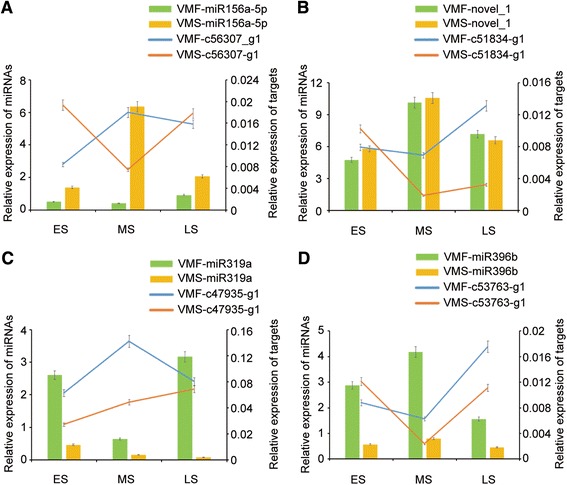
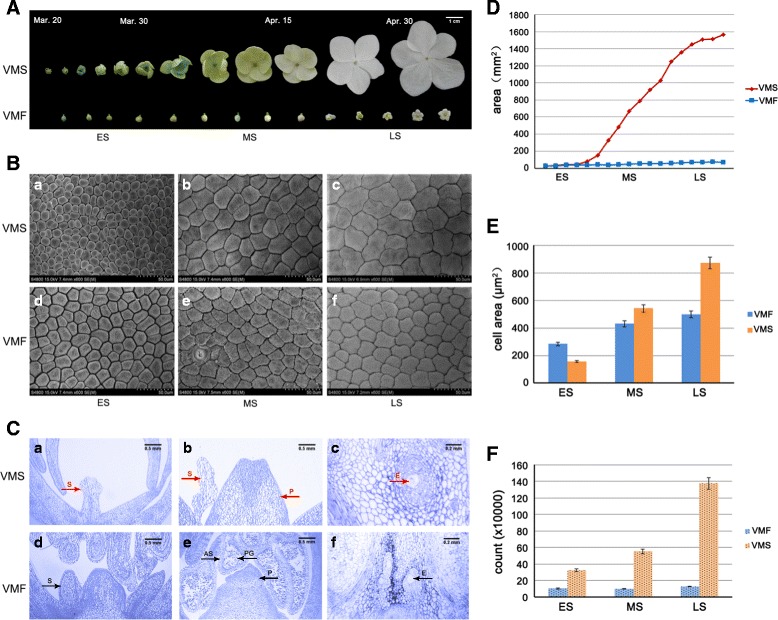
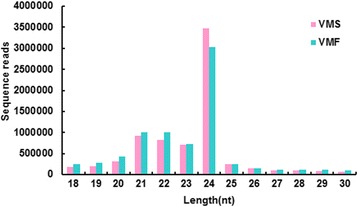
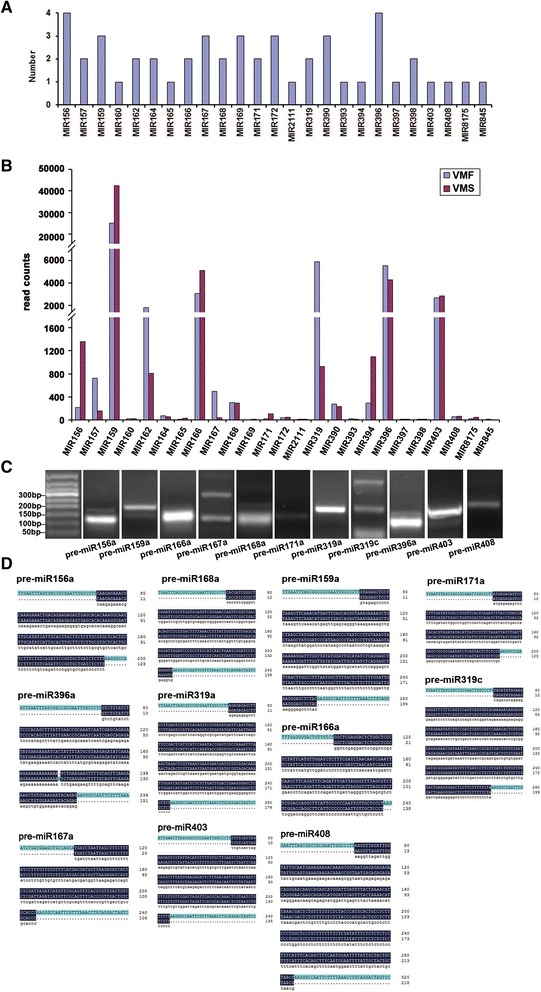
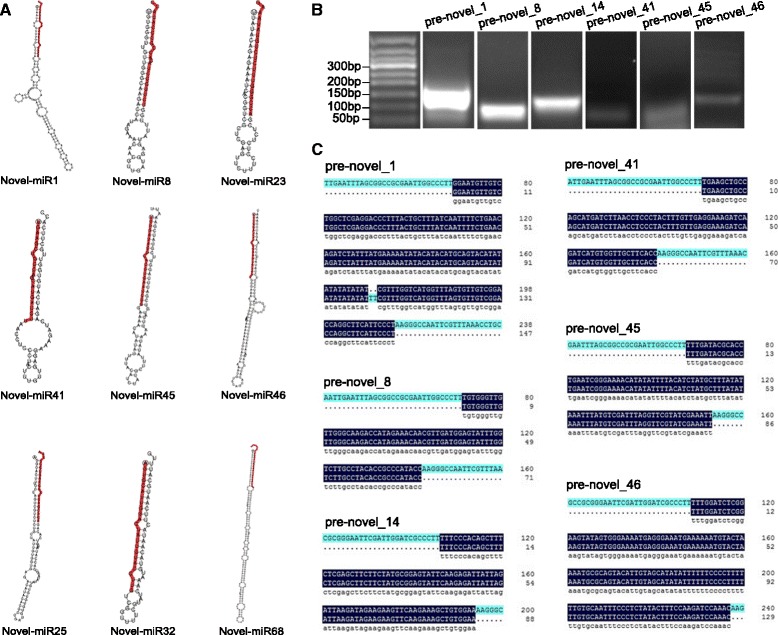
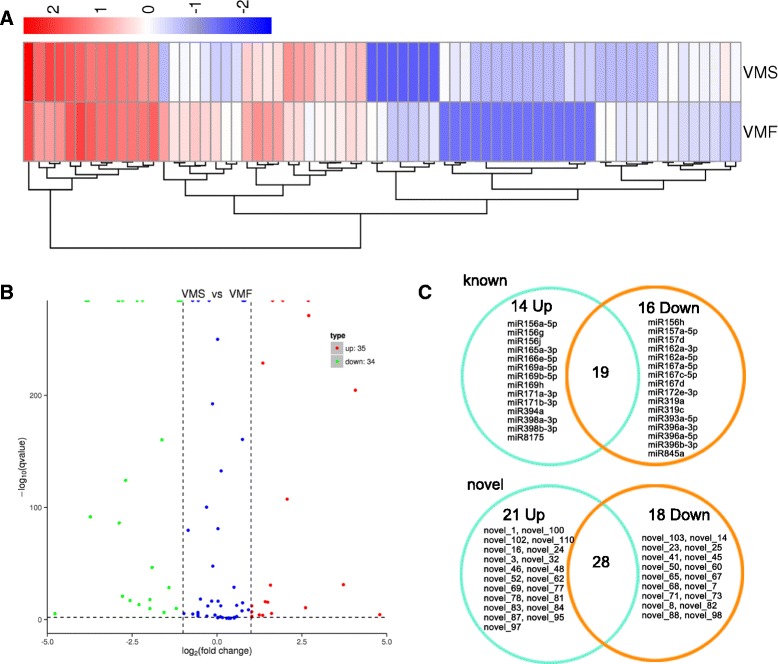
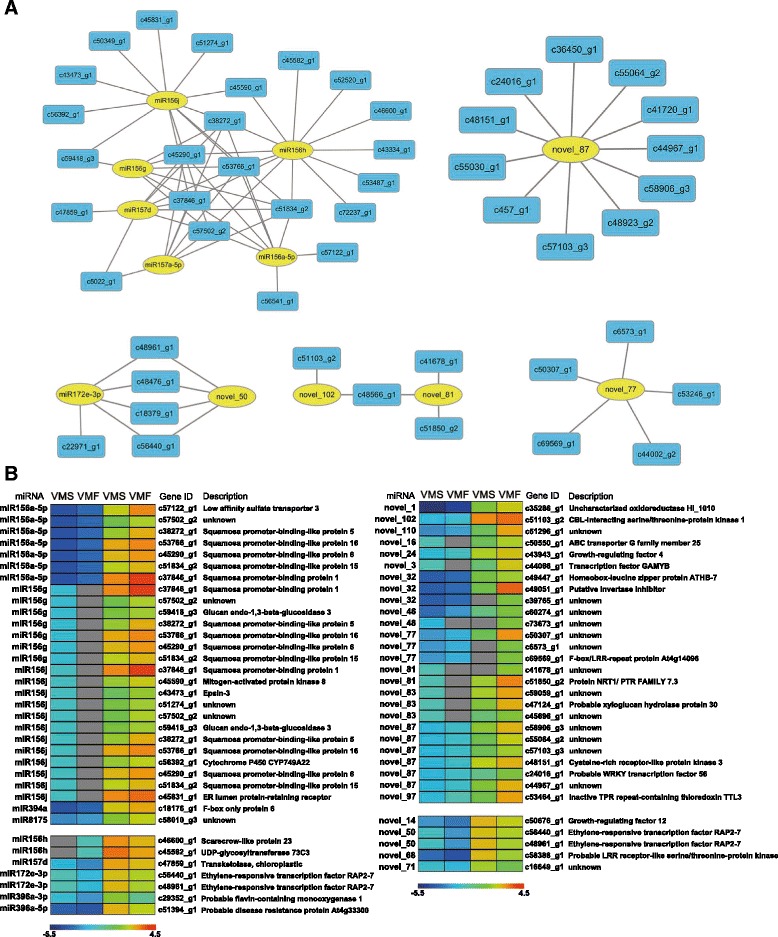
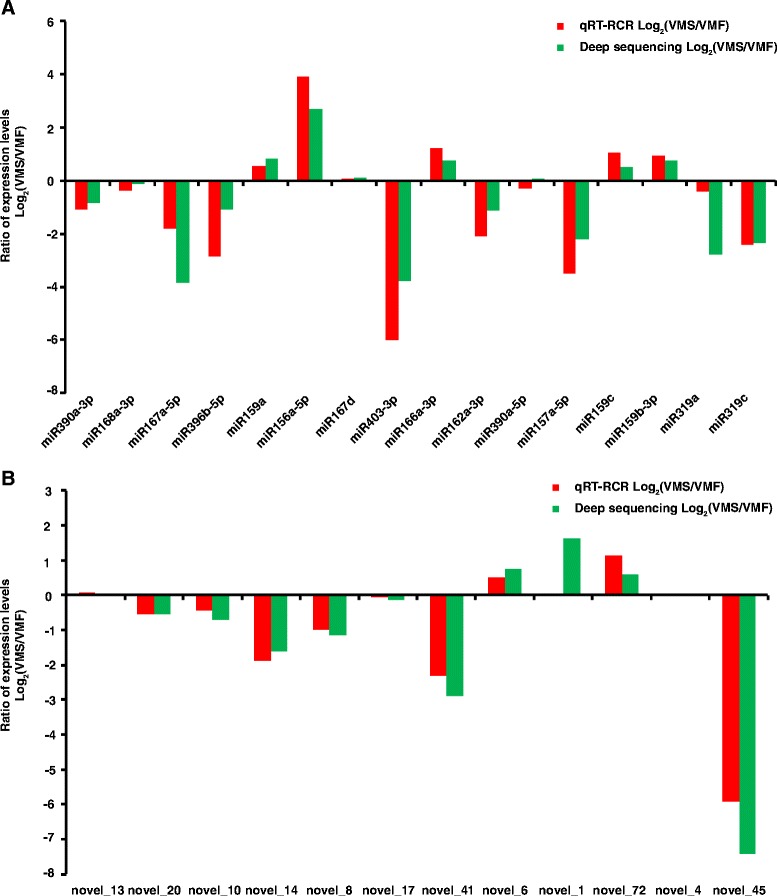
Here, based on investigations of the morphological differences between fertile and sterile flowers, we used high-throughput sequencing to characterize the miRNAs in the differentiated floral organs of Viburnum macrocephalum f. keteleeri. We identified 49 known miRNAs and 67 novel miRNAs by small RNA (sRNA) sequencing and bioinformatics analysis, and 17 of these known and novel miRNA precursors were validated by polymerase chain reaction (PCR) and Sanger sequencing. Furthermore, by comparing the sequencing results of two sRNA libraries, we found that 30 known and 39 novel miRNA sequences were differentially expressed, and 35 were upregulated and 34 downregulated in sterile compared with fertile flowers. Combined with their predicted targets, the potential roles of miRNAs in V. macrocephalum f. keteleeri flowers include involvement in floral organogenesis, cell proliferation, hormonal pathways, and stress responses. miRNA precursors and targets were further validated by quantitative real-time PCR (qRT-PCR). Specifically, miR156a-5p, miR156g, and miR156j expression levels were significantly higher in fertile flowers than in sterile flowers, while SPL genes displayed the opposite expression pattern. Considering that the targets of miR156 are predicted to be SPL genes, we propose that miR156 may be involved in the regulation of stamen development in V. macrocephalum f. keteleeri.
We identified miRNAs differentially expressed between fertile and sterile flowers in V. macrocephalum f. keteleeri and provided new insights into the important regulatory roles of miRNAs in the differentiation and development of fertile and sterile flowers.
在被子植物的花朵中,无菌花和可育花是重要的进化发育表型。花器官的发育对于被子植物的繁殖至关重要,而其受到 microRNAs(miRNAs)的调控。然而,miRNA 调控无菌花和可育花的分化和发育的机制尚不清楚。
本研究基于对可育花和无菌花形态差异的研究,利用高通量测序技术对重瓣溲疏的分化花器官中的 miRNAs 进行了研究。通过小 RNA(sRNA)测序和生物信息学分析,我们共鉴定到 49 个已知 miRNA 和 67 个新的 miRNA,其中 17 个已知和新的 miRNA 前体通过聚合酶链式反应(PCR)和 Sanger 测序进行了验证。此外,通过比较两个 sRNA 文库的测序结果,我们发现 30 个已知和 39 个新的 miRNA 序列在无菌花和可育花之间存在差异表达,其中 35 个 miRNA 上调,34 个 miRNA 下调。结合其预测的靶基因,miRNAs 在重瓣溲疏花中的潜在作用包括参与花器官发生、细胞增殖、激素途径和应激反应。miRNA 前体和靶基因进一步通过定量实时 PCR(qRT-PCR)进行了验证。具体来说,miR156a-5p、miR156g 和 miR156j 在可育花中的表达水平显著高于无菌花,而 SPL 基因则呈现相反的表达模式。鉴于 miR156 的靶基因预测为 SPL 基因,我们提出 miR156 可能参与了重瓣溲疏雄蕊发育的调控。
我们鉴定到了重瓣溲疏可育花和无菌花之间差异表达的 miRNAs,为 miRNA 在花器官的分化和发育过程中调控可育花和无菌花的重要作用提供了新的见解。