Kaskie Rachel E, Graziano Bianca, Ferrarelli Fabio
Department of Psychiatry, University of Pittsburgh, Pittsburgh, PA, USA.
Department of Health Sciences, Università degli Studi di Milano, Milan, Italy.
Nat Sci Sleep. 2017 Sep 21;9:227-239. doi: 10.2147/NSS.S121076. eCollection 2017.
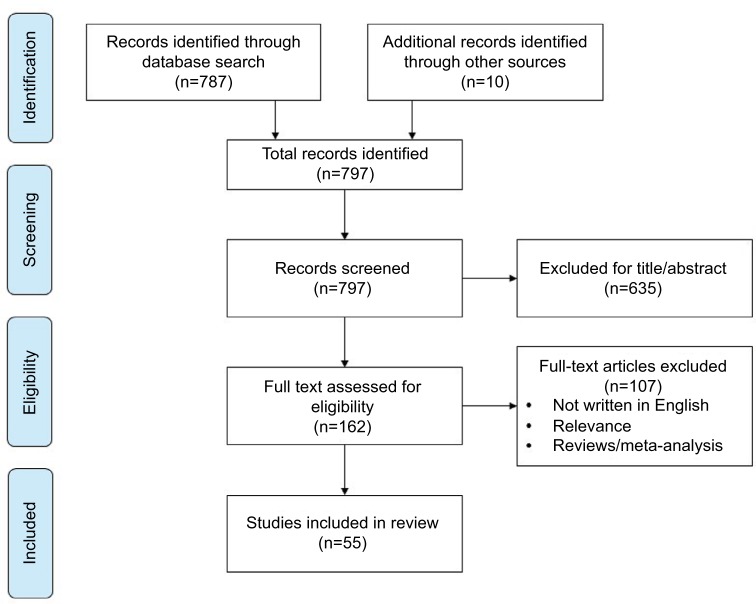
Schizophrenia is a major psychiatric disorder that has a massive, long-lasting negative impact on the patients as well as society. While positive symptoms (i.e., delusions and hallucinations), negative symptoms (i.e., anhedonia, social withdrawal), and cognitive impairments are traditionally considered the most prominent features of this disorder, the role of sleep and sleep disturbances has gained increasing prominence in clinical practice. Indeed, the vast majority of patients with schizophrenia report sleep abnormalities, which tend to precede illness onset and can predict an acute exacerbation of psychotic symptoms. Furthermore, schizophrenia patients often have a comorbid sleep disorder, including insomnia, obstructive sleep apnea, restless leg syndrome, or periodic limb movement disorder. Despite accumulating data, the links between sleep disorders and schizophrenia have not been thoroughly examined, in part because they are difficult to disentangle, as numerous factors contribute to their comorbidity, including medication status. Additionally, sleep disorders are often not the primary focus of clinicians treating this population, despite studies suggesting that comorbid sleep disorders carry their own unique risks, including worsening of psychotic symptoms and poorer quality of life. There is also limited information about effective management strategies for schizophrenia patients affected by significant sleep disturbances and/or sleep disorders. To begin addressing these issues, the present review will systematically examine the literature on sleep disorders and schizophrenia, focusing on studies related to 1) links between distinct sleep disorders and schizophrenia; 2) risks unique to patients with a comorbid sleep disorder; and 3) and management challenges and strategies.
精神分裂症是一种主要的精神疾病,对患者和社会都有巨大的、长期的负面影响。虽然传统上认为阳性症状(即妄想和幻觉)、阴性症状(即快感缺乏、社交退缩)和认知障碍是这种疾病最突出的特征,但睡眠和睡眠障碍在临床实践中的作用日益显著。事实上,绝大多数精神分裂症患者报告有睡眠异常,这些异常往往在疾病发作之前出现,并可预测精神病症状的急性加重。此外,精神分裂症患者常伴有睡眠障碍,包括失眠、阻塞性睡眠呼吸暂停、不宁腿综合征或周期性肢体运动障碍。尽管数据不断积累,但睡眠障碍与精神分裂症之间的联系尚未得到充分研究,部分原因是它们难以区分,因为有许多因素导致它们合并出现,包括用药情况。此外,尽管研究表明合并睡眠障碍有其自身独特的风险,包括精神病症状恶化和生活质量较差,但睡眠障碍往往不是治疗这一人群的临床医生的主要关注点。关于受严重睡眠障碍和/或睡眠疾病影响的精神分裂症患者的有效管理策略的信息也有限。为了开始解决这些问题,本综述将系统地研究关于睡眠障碍和精神分裂症的文献,重点关注与以下方面相关的研究:1)不同睡眠障碍与精神分裂症之间的联系;2)合并睡眠障碍患者特有的风险;3)管理挑战和策略。