Plaingam Waluga, Sangsuthum Siriporn, Angkhasirisap Wannee, Tencomnao Tewin
Ph.D. Program in Clinical Biochemistry and Molecular Medicine, Department of Clinical Chemistry, Faculty of Allied Health Sciences, Chulalongkorn University, Bangkok, Thailand.
Department of Clinical Chemistry, Faculty of Allied Health Sciences, Chulalongkorn University, Bangkok, Thailand.
J Tradit Complement Med. 2017 Jun 15;7(4):538-552. doi: 10.1016/j.jtcme.2017.01.002. eCollection 2017 Oct.
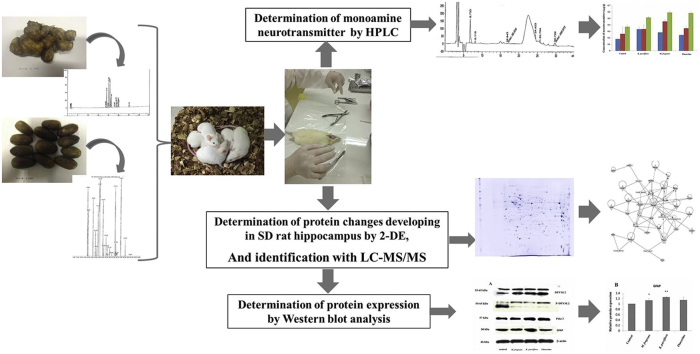
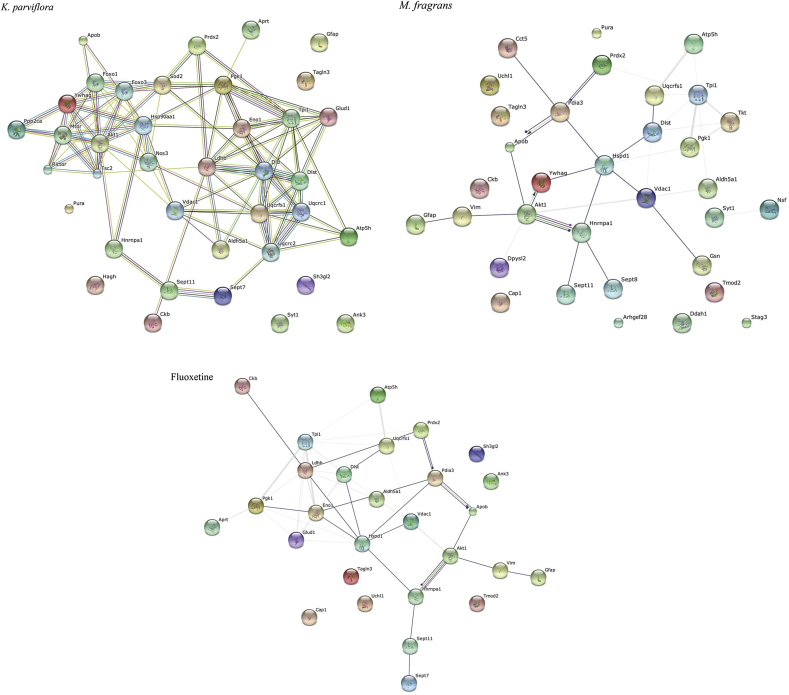
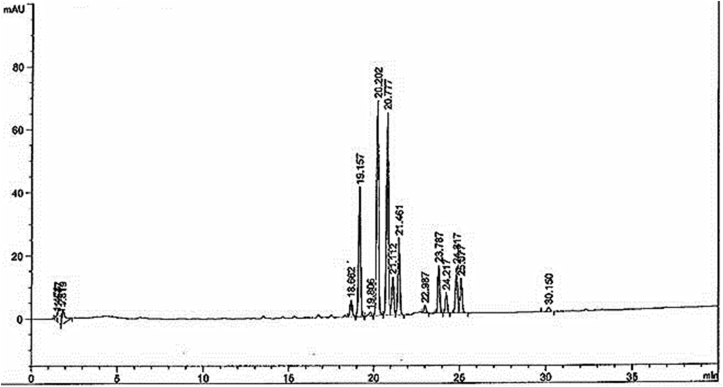
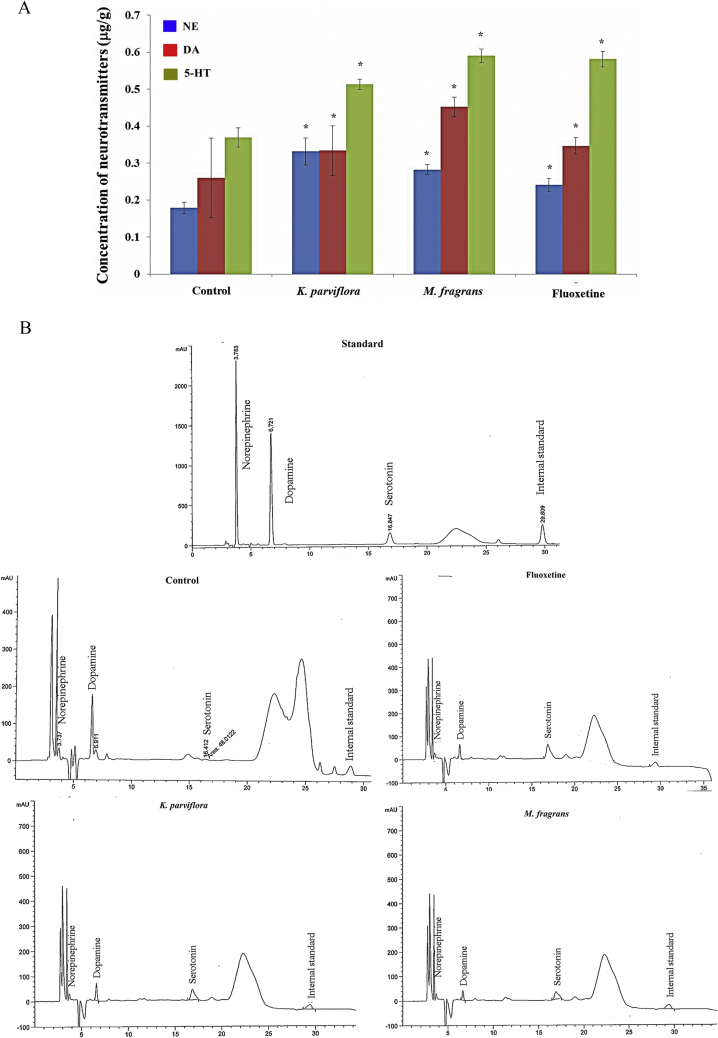
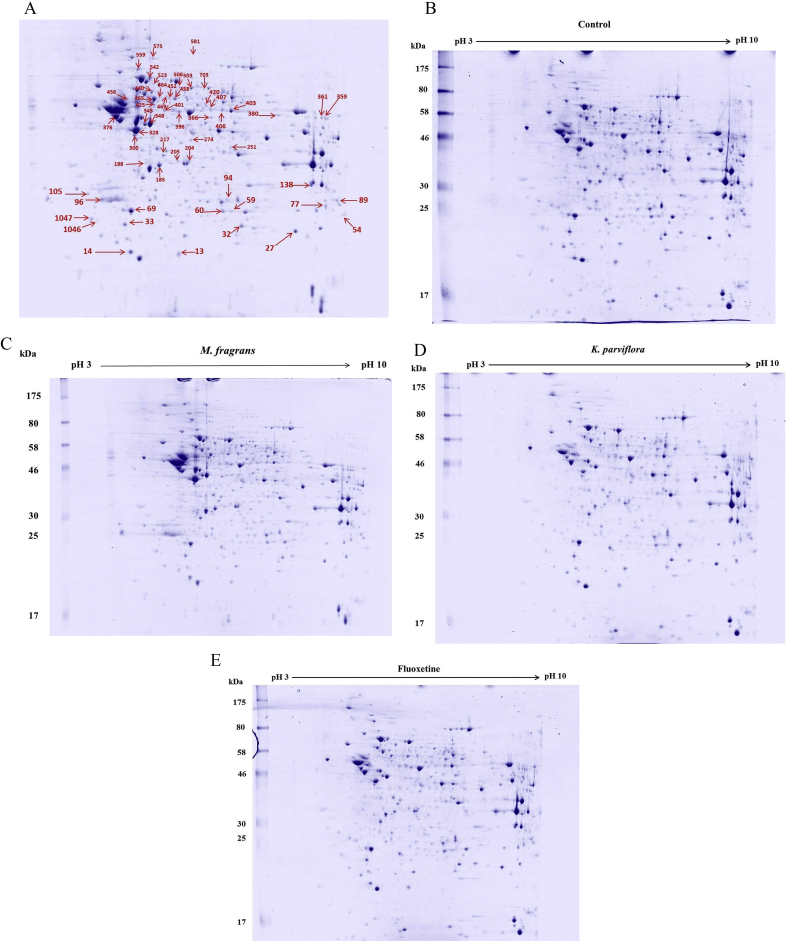
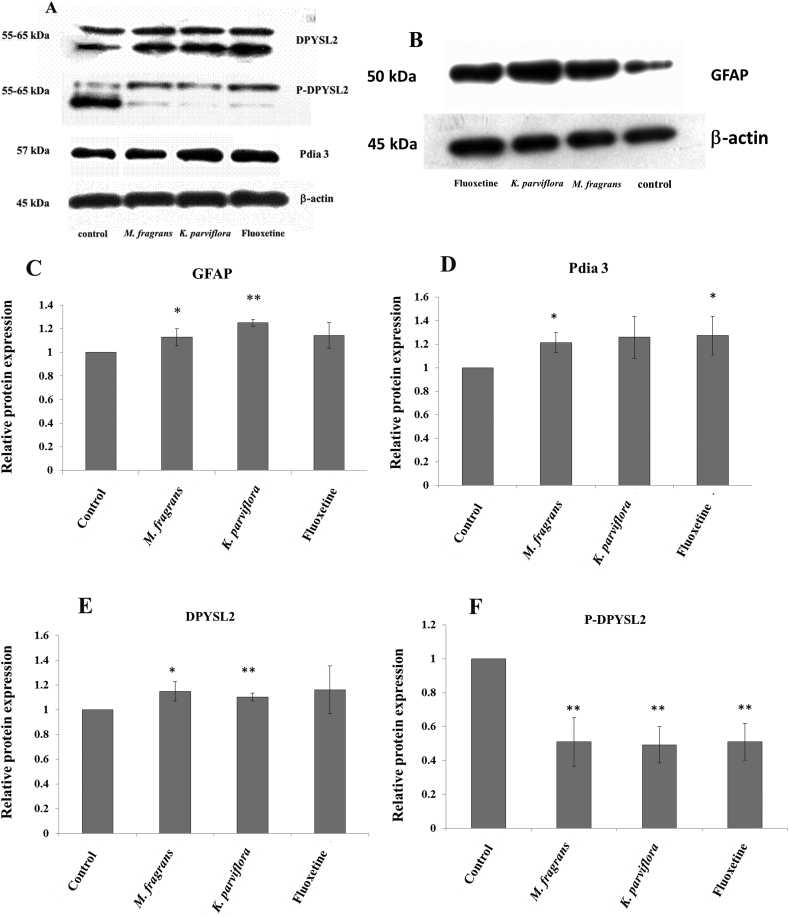
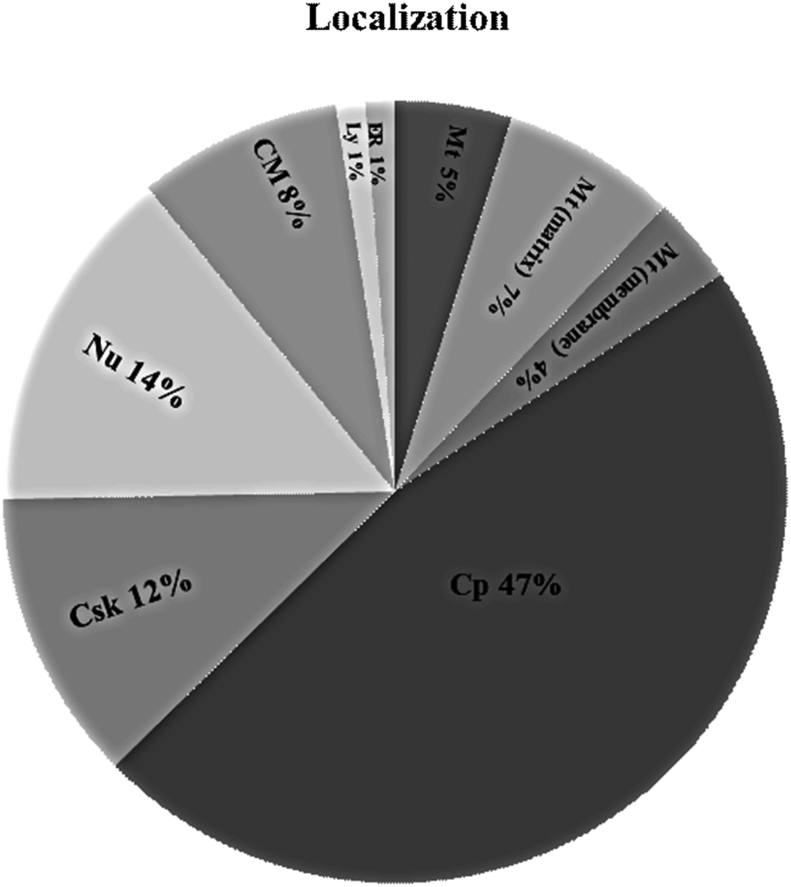
Potentially useful in the treatment of neurodegenerative disorders, and have been shown to possess a wide spectrum of neuropharmacological activities and neuroprotective effects and . In this study, we determined whether and how ethanolic extract and volatile oil could influence the levels of neurotransmitters and the whole proteomic profile in the hippocampus of Sprague Dawley (SD) rats. The effects of and on protein changes were analyzed by two-dimensional gel electrophoresis (2D-gel), and proteins were identified by liquid chromatography tandem mass spectrometry (LC-MS/MS). The target proteins were then confirmed by Western blot. The levels of neurotransmitters were evaluated by reversed-phase high-performance liquid chromatography (RP-HPLC). The results showed that , and fluoxetine (the control drug for this study) increased serotonin, norepinephrine and dopamine in the rat hippocampus compared to that of the vehicle-treated group. Our proteomic data showed that 37 proteins in the group were up-regulated, while 14 were down-regulated, and 27 proteins in the group were up-regulated, while 16 were down-regulated. In the fluoxetine treatment group, we found 29 proteins up-regulated, whereas 14 proteins were down-regulated. In line with the proteomic data, the levels of GFAP, PDIA3, DPYSL2 and p-DPYSL2 were modified in the SD rat groups treated with , and fluoxetine as confirmed by Western blot. and mediated not only the levels of monoamine neurotransmitters but also the proteomic profiles in the rat hippocampus, thus shedding light on the mechanisms targeting neurodegenerative diseases.
可能对神经退行性疾病的治疗有用,并且已被证明具有广泛的神经药理学活性和神经保护作用。在本研究中,我们确定了乙醇提取物和挥发油是否以及如何影响Sprague Dawley(SD)大鼠海马中神经递质的水平和整个蛋白质组学图谱。通过二维凝胶电泳(2D凝胶)分析乙醇提取物和挥发油对蛋白质变化的影响,并通过液相色谱串联质谱(LC-MS/MS)鉴定蛋白质。然后通过蛋白质免疫印迹法确认目标蛋白质。通过反相高效液相色谱(RP-HPLC)评估神经递质的水平。结果表明,与载体处理组相比,乙醇提取物、挥发油和氟西汀(本研究的对照药物)增加了大鼠海马中的5-羟色胺、去甲肾上腺素和多巴胺。我们的蛋白质组学数据显示,乙醇提取物组中有37种蛋白质上调,而14种蛋白质下调,挥发油组中有27种蛋白质上调,而16种蛋白质下调。在氟西汀治疗组中,我们发现29种蛋白质上调,而14种蛋白质下调。与蛋白质组学数据一致,蛋白质免疫印迹法证实,在接受乙醇提取物、挥发油和氟西汀治疗的SD大鼠组中,胶质纤维酸性蛋白(GFAP)、蛋白二硫异构酶A3(PDIA3)、二氢嘧啶酶样2(DPYSL2)和磷酸化二氢嘧啶酶样2(p-DPYSL2)的水平发生了改变。乙醇提取物和挥发油不仅介导了大鼠海马中单胺神经递质的水平,还介导了蛋白质组学图谱,从而为针对神经退行性疾病的机制提供了线索。