Liberski Albert, Ayad Nadia, Wojciechowska Dorota, Zielińska Dorota, Struszczyk Marcin H, Latif Najma, Yacoub Magdi
Sidra Medical and Research Center, P.O. Box 26999, Doha, Qatar.
Mechanical Engineering and Material Science Department, Military Institute of Engineering (IME), Rio de Janeiro, RJ, Brazil.
Glob Cardiol Sci Pract. 2016 Sep 30;2016(3):e201631. doi: 10.21542/gcsp.2016.31.
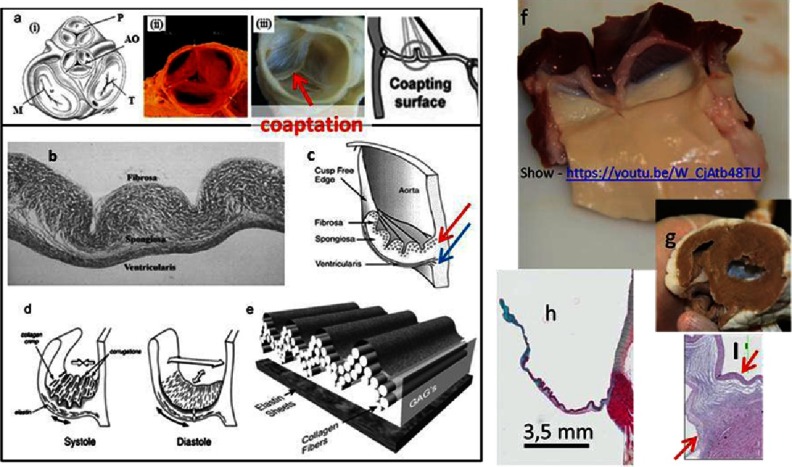
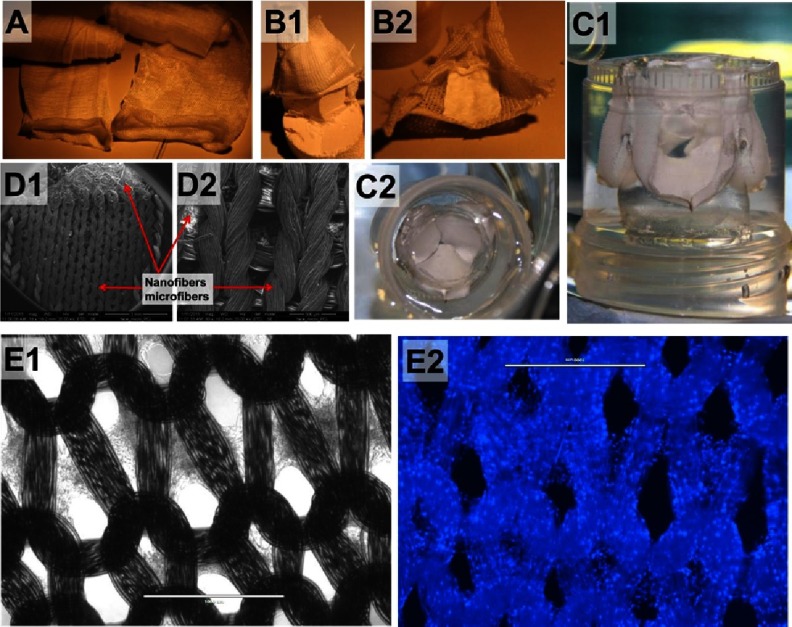
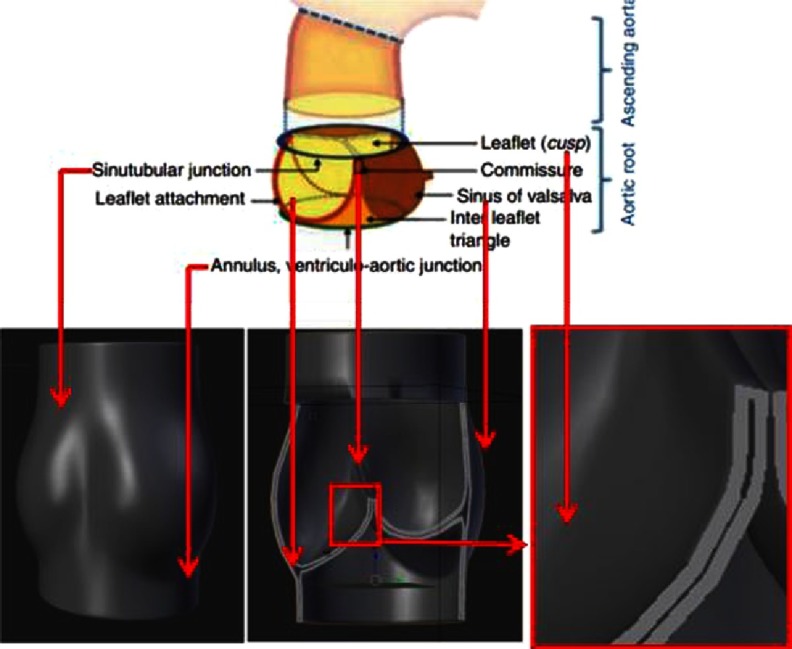
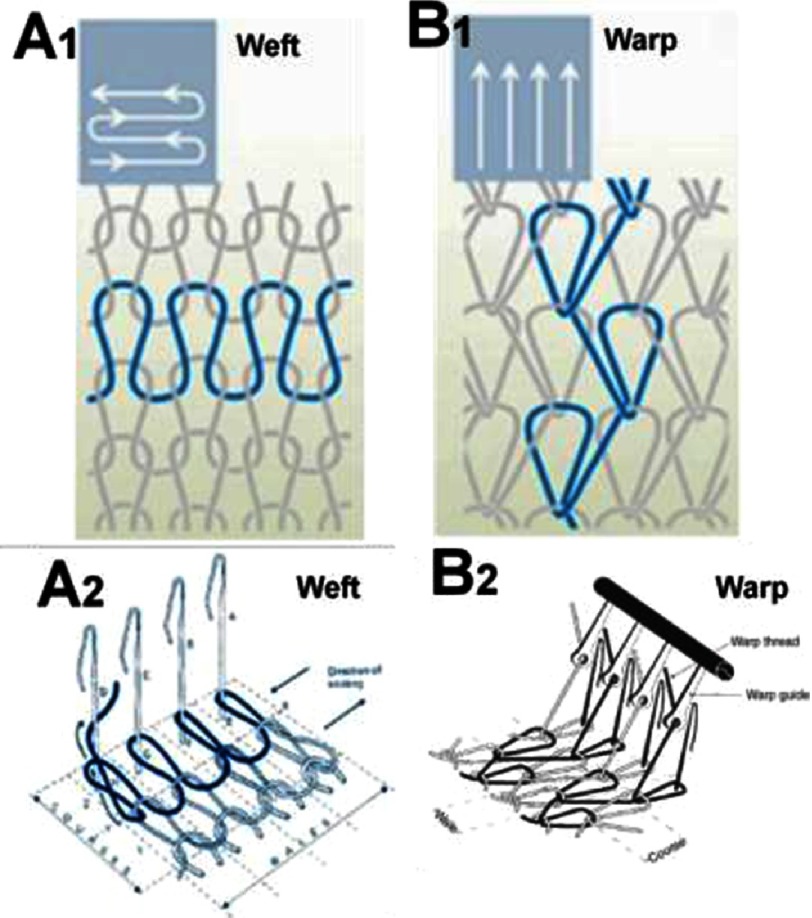
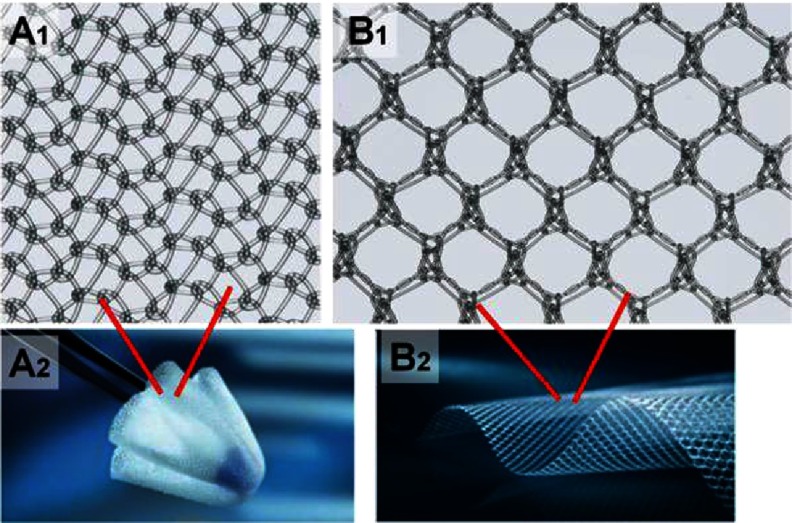
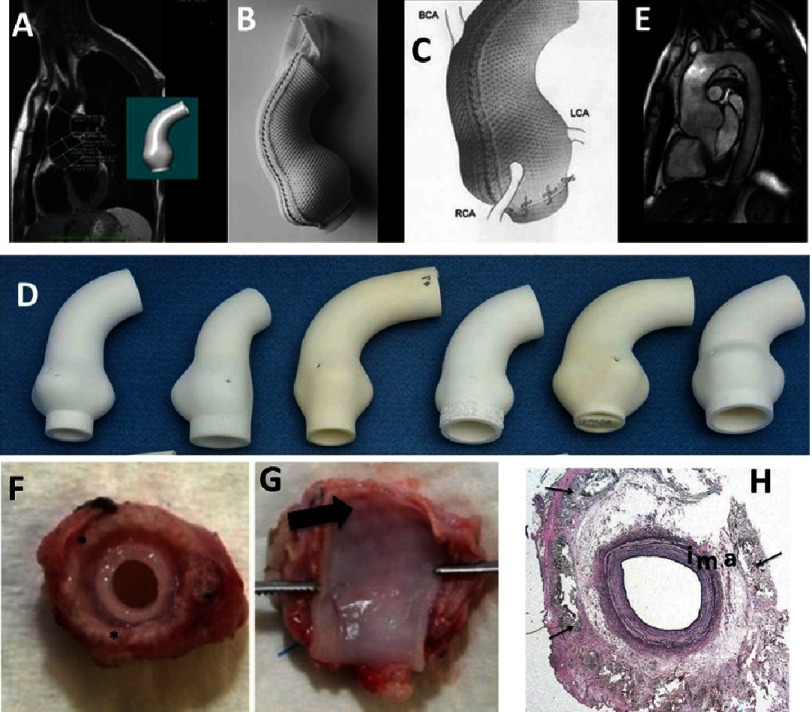
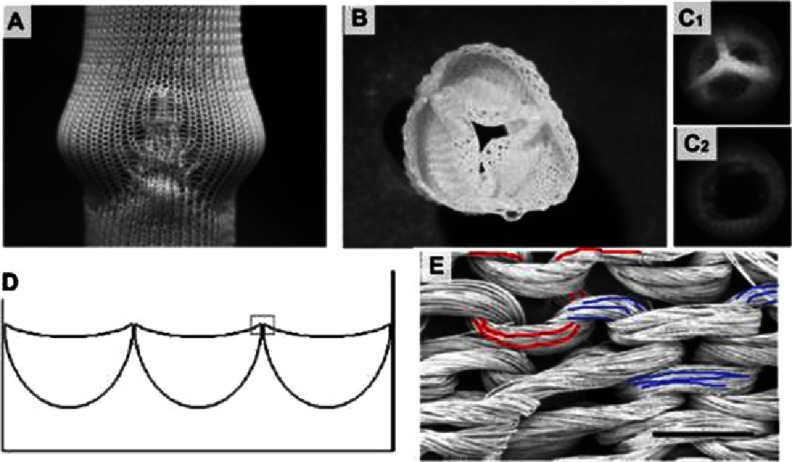
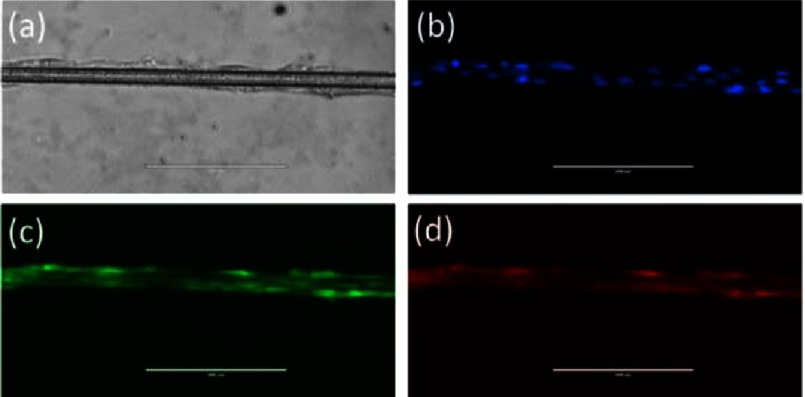
Knitting is a versatile technology which offers a large portfolio of products and solutions of interest in heart valve (HV) tissue engineering (TE). One of the main advantages of knitting is its ability to construct complex shapes and structures by precisely assembling the yarns in the desired position. With this in mind, knitting could be employed to construct a HV scaffold that closely resembles the authentic valve. This has the potential to reproduce the anisotropic structure that is characteristic of the heart valve with the yarns, in particular the 3-layered architecture of the leaflets. These yarns can provide oriented growth of cells lengthwise and consequently enable the deposition of extracellular matrix (ECM) proteins in an oriented manner. This technique, therefore, has a potential to provide a functional knitted scaffold, but to achieve that textile engineers need to gain a basic understanding of structural and mechanical aspects of the heart valve and in addition, tissue engineers must acquire the knowledge of tools and capacities that are essential in knitting technology. The aim of this review is to provide a platform to consolidate these two fields as well as to enable an efficient communication and cooperation among these two research areas.
针织是一种用途广泛的技术,在心脏瓣膜(HV)组织工程(TE)领域提供了大量的产品和解决方案。针织的主要优势之一在于,它能够通过将纱线精确地排列在所需位置来构建复杂的形状和结构。基于这一点,针织可用于构建与真实瓣膜极为相似的心脏瓣膜支架。这有可能重现心脏瓣膜特有的各向异性结构,尤其是小叶的三层结构。这些纱线能够使细胞沿长度方向定向生长,从而使细胞外基质(ECM)蛋白以定向方式沉积。因此,这项技术有潜力提供一种功能性针织支架,但要实现这一点,纺织工程师需要对心脏瓣膜的结构和力学方面有基本的了解,此外,组织工程师必须掌握针织技术中必不可少的工具和能力方面的知识。本综述的目的是提供一个平台,以整合这两个领域,并促进这两个研究领域之间的有效沟通与合作。