Diosa-Toro Mayra, Echavarría-Consuegra Liliana, Flipse Jacky, Fernández Geysson Javier, Kluiver Joost, van den Berg Anke, Urcuqui-Inchima Silvio, Smit Jolanda M
Department of Medical Microbiology, University of Groningen, University Medical Center Groningen, Groningen, the Netherlands.
Grupo Inmunovirología, Facultad de Medicina, Universidad de Antioquia UdeA, Medellín, Colombia.
PLoS Negl Trop Dis. 2017 Oct 18;11(10):e0005981. doi: 10.1371/journal.pntd.0005981. eCollection 2017 Oct.
Due to the high burden of dengue disease worldwide, a better understanding of the interactions between dengue virus (DENV) and its human host cells is of the utmost importance. Although microRNAs modulate the outcome of several viral infections, their contribution to DENV replication is poorly understood.
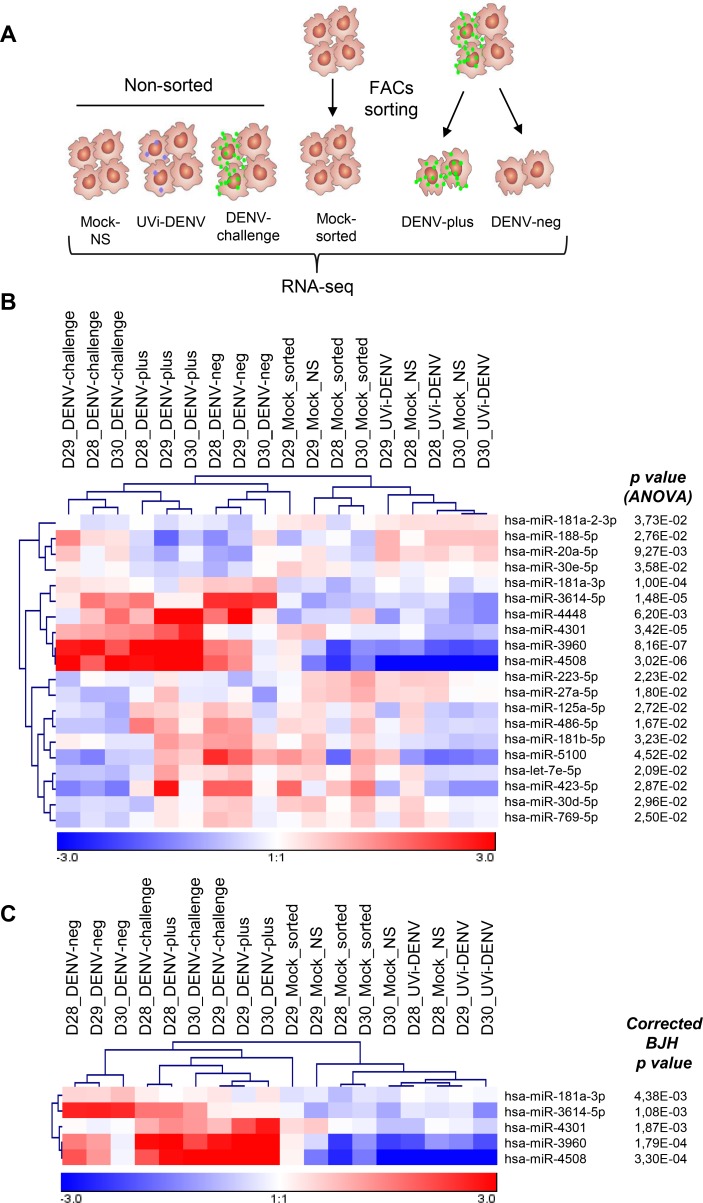
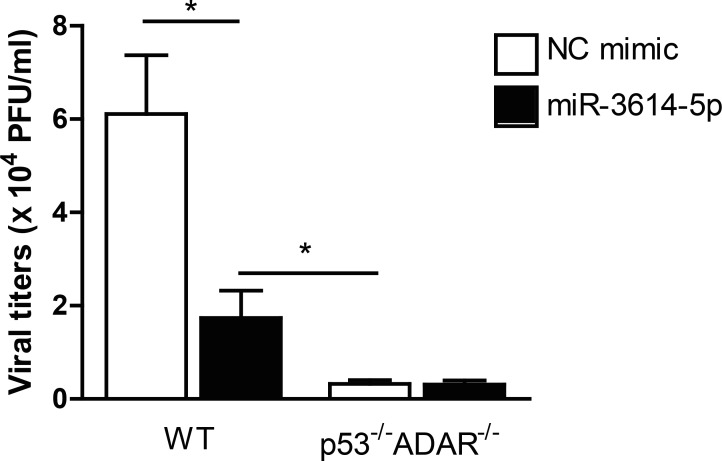
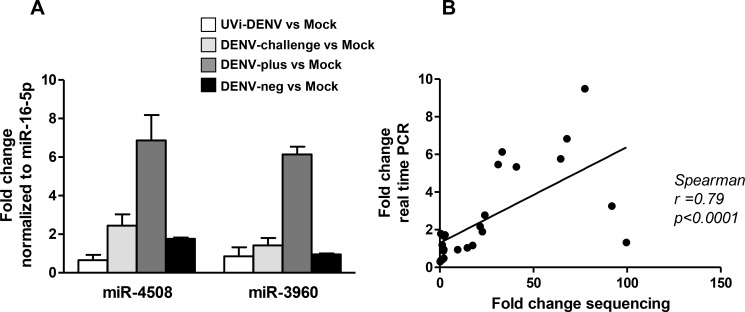
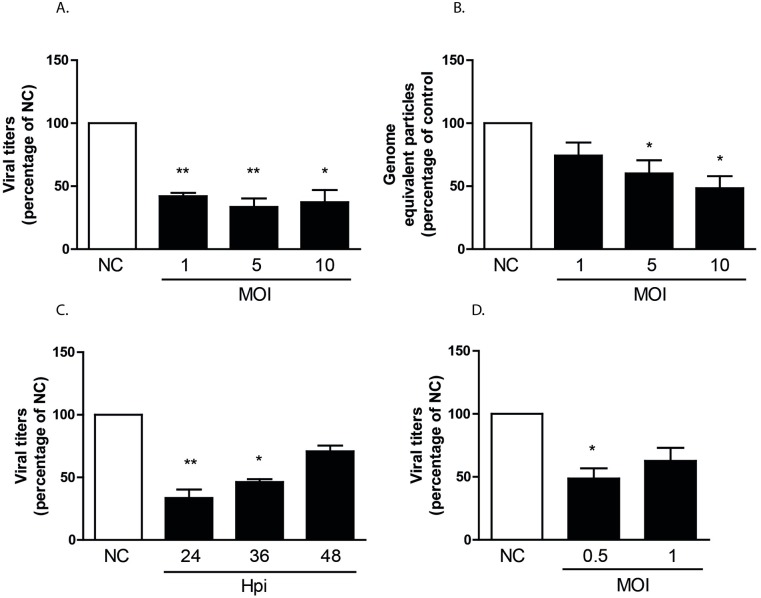
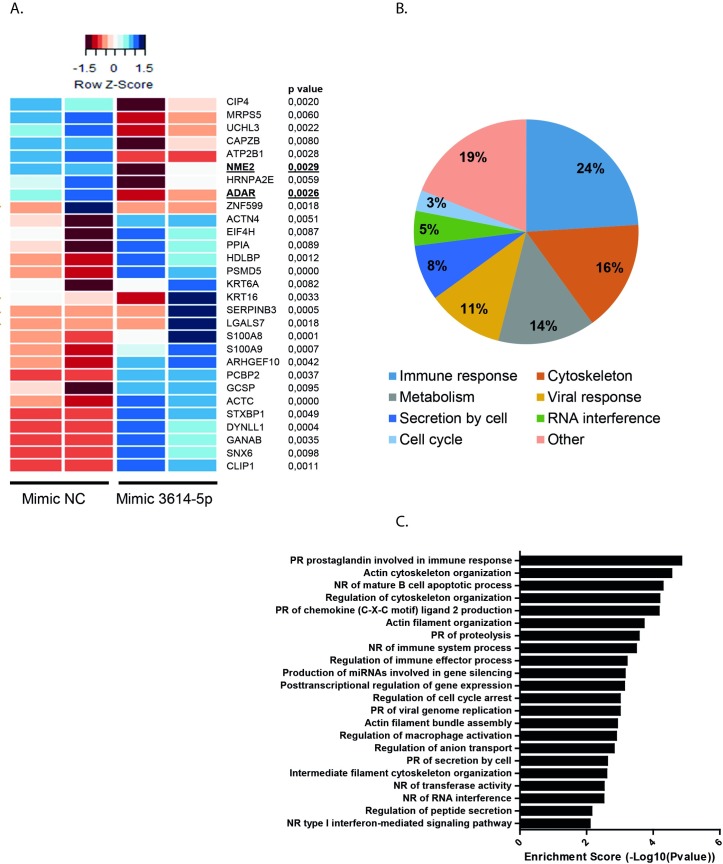
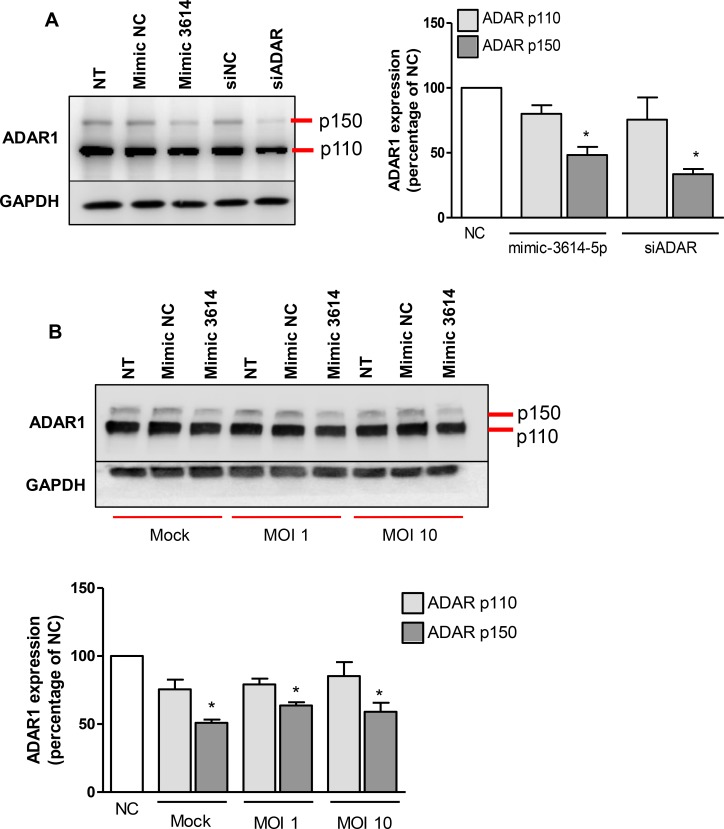
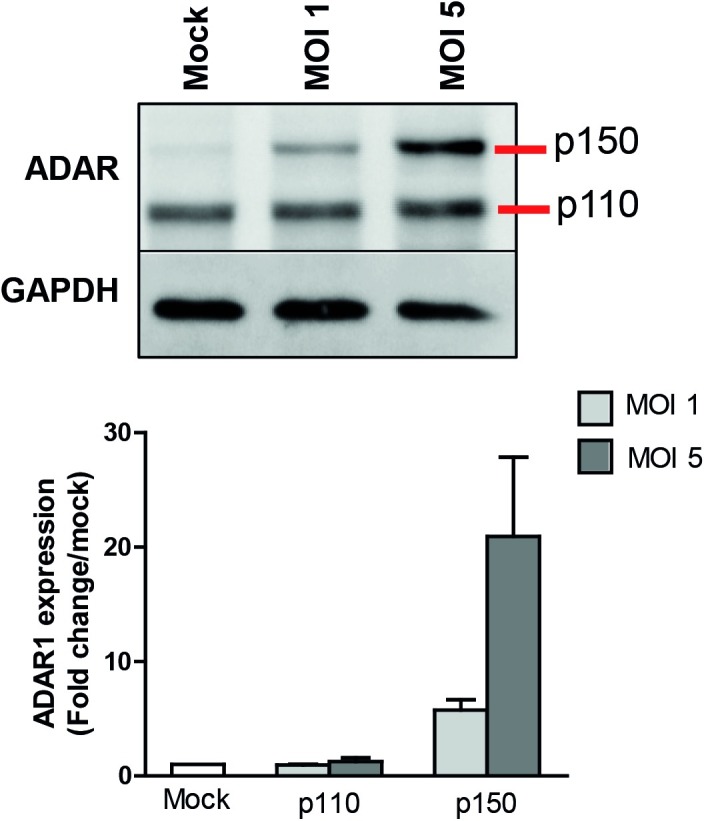
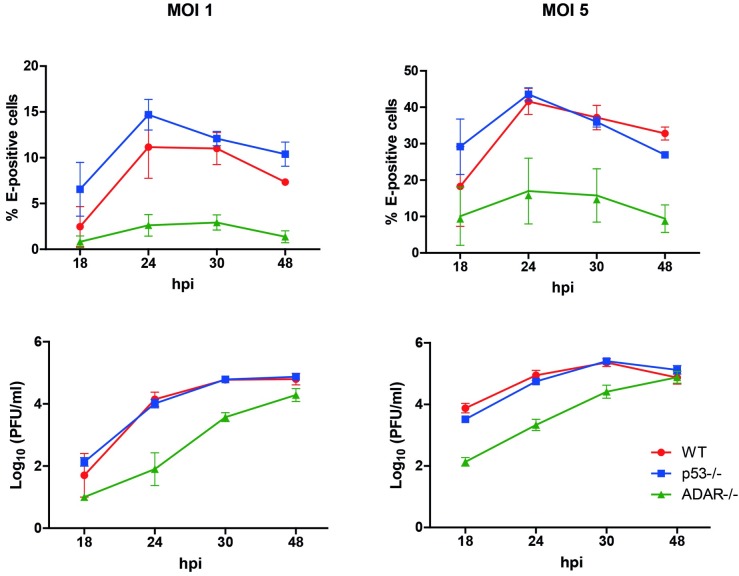
We investigated the microRNA expression profile of primary human macrophages challenged with DENV and deciphered the contribution of microRNAs to infection. To this end, human primary macrophages were challenged with GFP-expressing DENV and sorted to differentiate between truly infected cells (DENV-positive) and DENV-exposed but non-infected cells (DENV-negative cells). The miRNAome was determined by small RNA-Seq analysis and the effect of differentially expressed microRNAs on DENV yield was examined. Five microRNAs were differentially expressed in human macrophages challenged with DENV. Of these, miR-3614-5p was found upregulated in DENV-negative cells and its overexpression reduced DENV infectivity. The cellular targets of miR-3614-5p were identified by liquid chromatography/mass spectrometry and western blot. Adenosine deaminase acting on RNA 1 (ADAR1) was identified as one of the targets of miR-3614-5p and was shown to promote DENV infectivity at early time points post-infection.
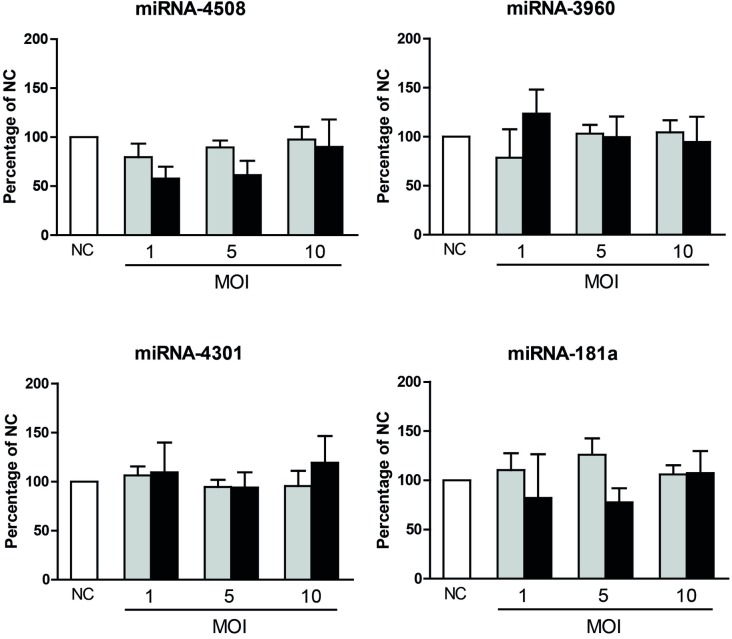
CONCLUSION/SIGNIFICANCE: Overall, miRNAs appear to play a limited role in DENV replication in primary human macrophages. The miRNAs that were found upregulated in DENV-infected cells did not control the production of infectious virus particles. On the other hand, miR-3614-5p, which was upregulated in DENV-negative macrophages, reduced DENV infectivity and regulated ADAR1 expression, a protein that facilitates viral replication.
由于登革热疾病在全球范围内负担沉重,深入了解登革热病毒(DENV)与其人类宿主细胞之间的相互作用至关重要。尽管微小RNA可调节多种病毒感染的结果,但其对DENV复制的作用仍知之甚少。
我们研究了用DENV攻击的原代人巨噬细胞的微小RNA表达谱,并解读了微小RNA对感染的作用。为此,用表达绿色荧光蛋白的DENV攻击原代人巨噬细胞,并进行分选,以区分真正感染的细胞(DENV阳性)和暴露于DENV但未感染的细胞(DENV阴性细胞)。通过小RNA测序分析确定微小RNA组,并检测差异表达的微小RNA对DENV产量的影响。在用DENV攻击的人巨噬细胞中,有5种微小RNA差异表达。其中,miR-3614-5p在DENV阴性细胞中上调,其过表达降低了DENV的感染性。通过液相色谱/质谱和蛋白质印迹法鉴定了miR-3614-5p的细胞靶点。作用于RNA 1的腺苷脱氨酶(ADAR1)被鉴定为miR-3614-5p的靶点之一,并显示在感染后早期促进DENV的感染性。
结论/意义:总体而言,微小RNA在原代人巨噬细胞的DENV复制中似乎发挥有限作用。在DENV感染细胞中上调的微小RNA并未控制感染性病毒颗粒的产生。另一方面,在DENV阴性巨噬细胞中上调的miR-3614-5p降低了DENV的感染性并调节了ADAR1的表达,ADAR1是一种促进病毒复制的蛋白质。