Department of Biomedical Engineering, Georgia Institute of Technology, Atlanta, GA, United States of America.
Department of Computer Science and Engineering, University of South Carolina, Columbia, SC, United States of America.
PLoS One. 2017 Oct 18;12(10):e0182736. doi: 10.1371/journal.pone.0182736. eCollection 2017.
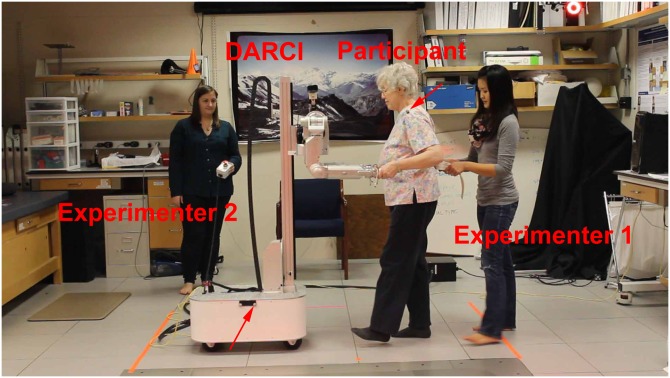
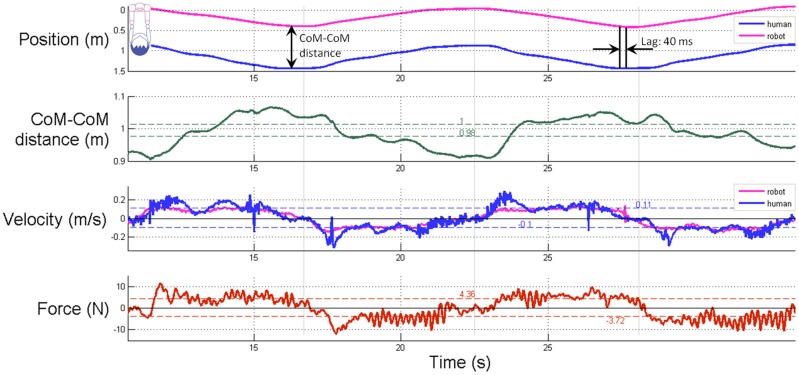
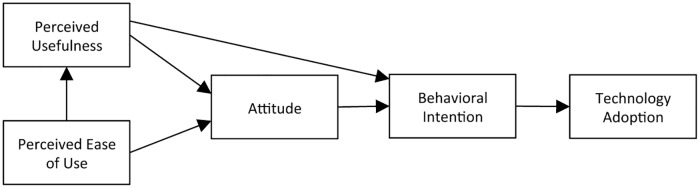
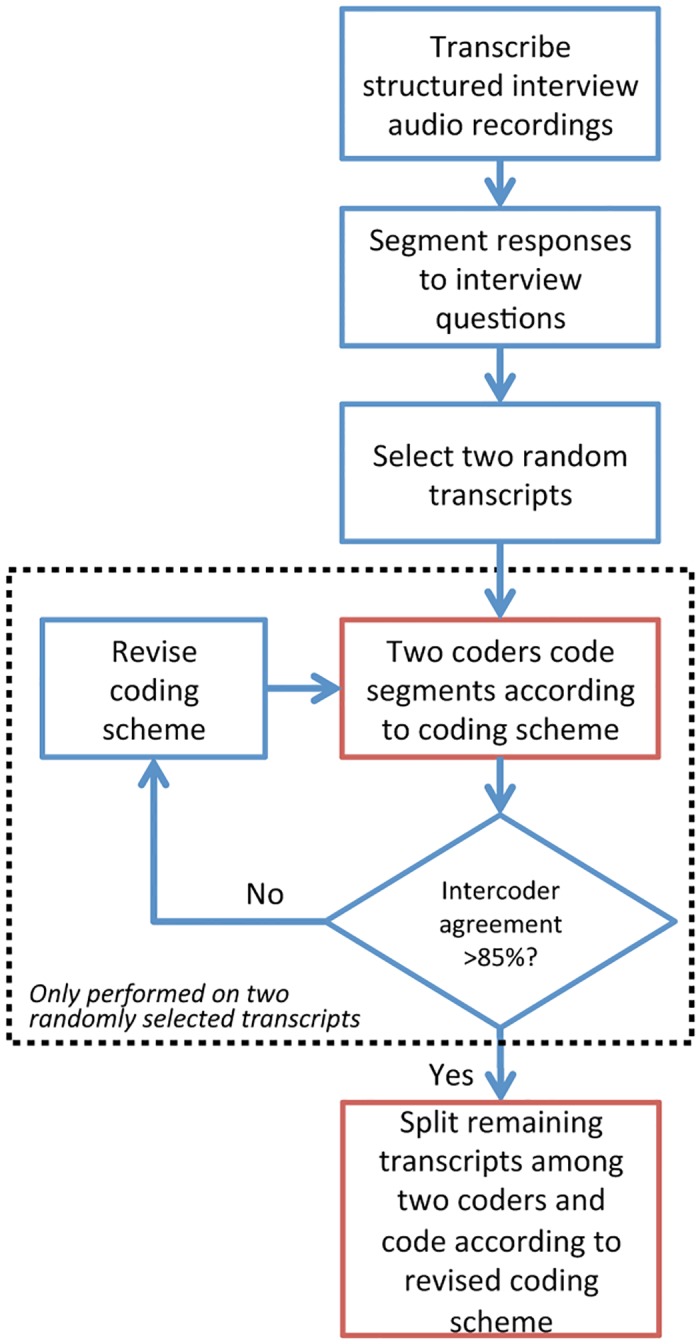
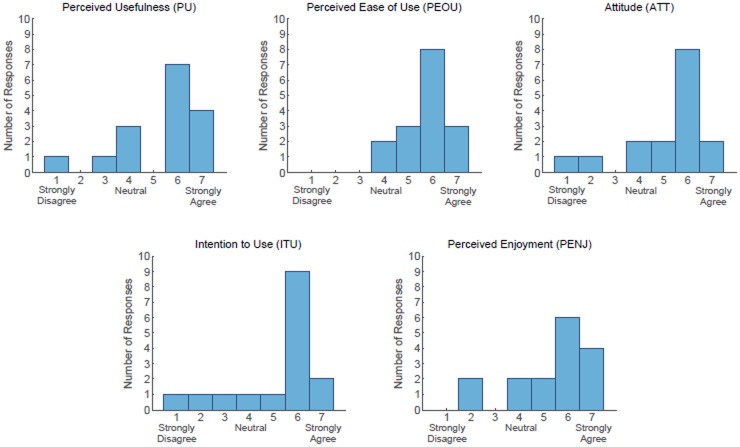
Partner dance has been shown to be beneficial for the health of older adults. Robots could potentially facilitate healthy aging by engaging older adults in partner dance-based exercise. However, partner dance involves physical contact between the dancers, and older adults would need to be accepting of partner dancing with a robot. Using methods from the technology acceptance literature, we conducted a study with 16 healthy older adults to investigate their acceptance of robots for partner dance-based exercise. Participants successfully led a human-scale wheeled robot with arms (i.e., a mobile manipulator) in a simple, which we refer to as the Partnered Stepping Task (PST). Participants led the robot by maintaining physical contact and applying forces to the robot's end effectors. According to questionnaires, participants were generally accepting of the robot for partner dance-based exercise, tending to perceive it as useful, easy to use, and enjoyable. Participants tended to perceive the robot as easier to use after performing the PST with it. Through a qualitative data analysis of structured interview data, we also identified facilitators and barriers to acceptance of robots for partner dance-based exercise. Throughout the study, our robot used admittance control to successfully dance with older adults, demonstrating the feasibility of this method. Overall, our results suggest that robots could successfully engage older adults in partner dance-based exercise.
伴舞已被证明对老年人的健康有益。机器人通过让老年人参与基于伴舞的锻炼,有可能促进健康老龄化。然而,伴舞涉及舞者之间的身体接触,老年人需要接受与机器人伴舞。我们使用技术接受文献中的方法,对 16 名健康的老年人进行了一项研究,以调查他们对机器人用于基于伴舞的锻炼的接受程度。参与者成功地用手臂引导了一个具有人类尺度的轮式机器人(即移动机械手)完成了一个简单的任务,我们称之为“伴舞步任务”(PST)。参与者通过保持身体接触并对机器人的末端执行器施加力来引导机器人。根据问卷调查,参与者普遍接受机器人用于基于伴舞的锻炼,倾向于认为它有用、易用且有趣。参与者在使用 PST 后,往往会认为机器人更容易使用。通过对结构化访谈数据的定性数据分析,我们还确定了接受机器人用于基于伴舞的锻炼的促进因素和障碍。在整个研究过程中,我们的机器人使用了顺应控制来成功地与老年人共舞,展示了这种方法的可行性。总体而言,我们的研究结果表明,机器人可以成功地让老年人参与基于伴舞的锻炼。