Torrisi Sebastiano Alfio, Salomone Salvatore, Geraci Federica, Caraci Filippo, Bucolo Claudio, Drago Filippo, Leggio Gian Marco
Department of Biomedical and Biotechnological Sciences, School of Medicine, University of Catania, Catania, Italy.
Department of Drug Sciences, University of Catania, Catania, Italy.
Front Pharmacol. 2017 Oct 4;8:710. doi: 10.3389/fphar.2017.00710. eCollection 2017.
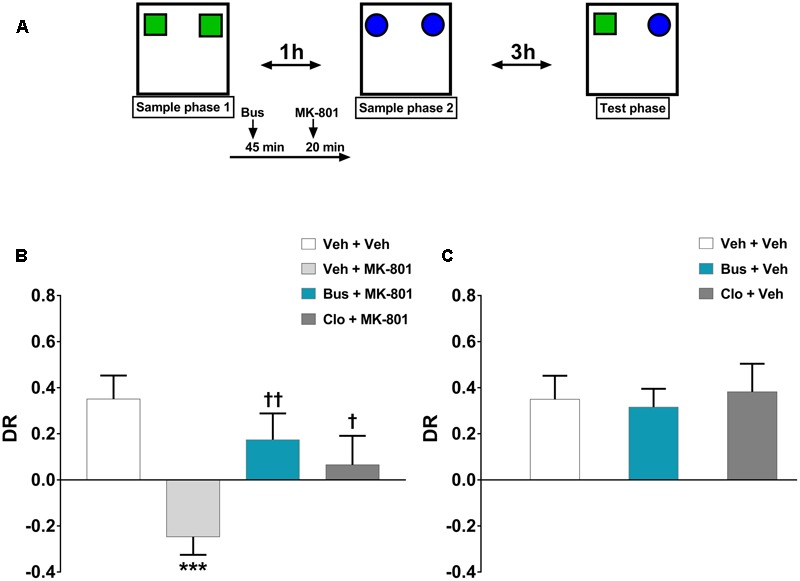
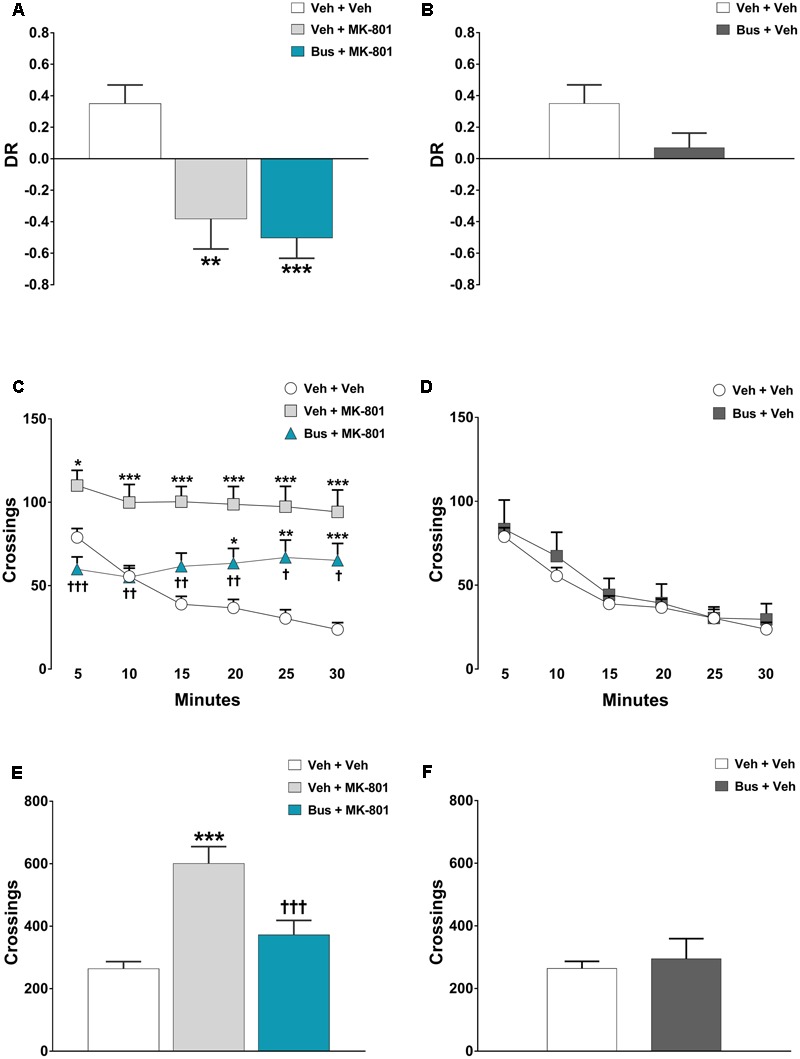
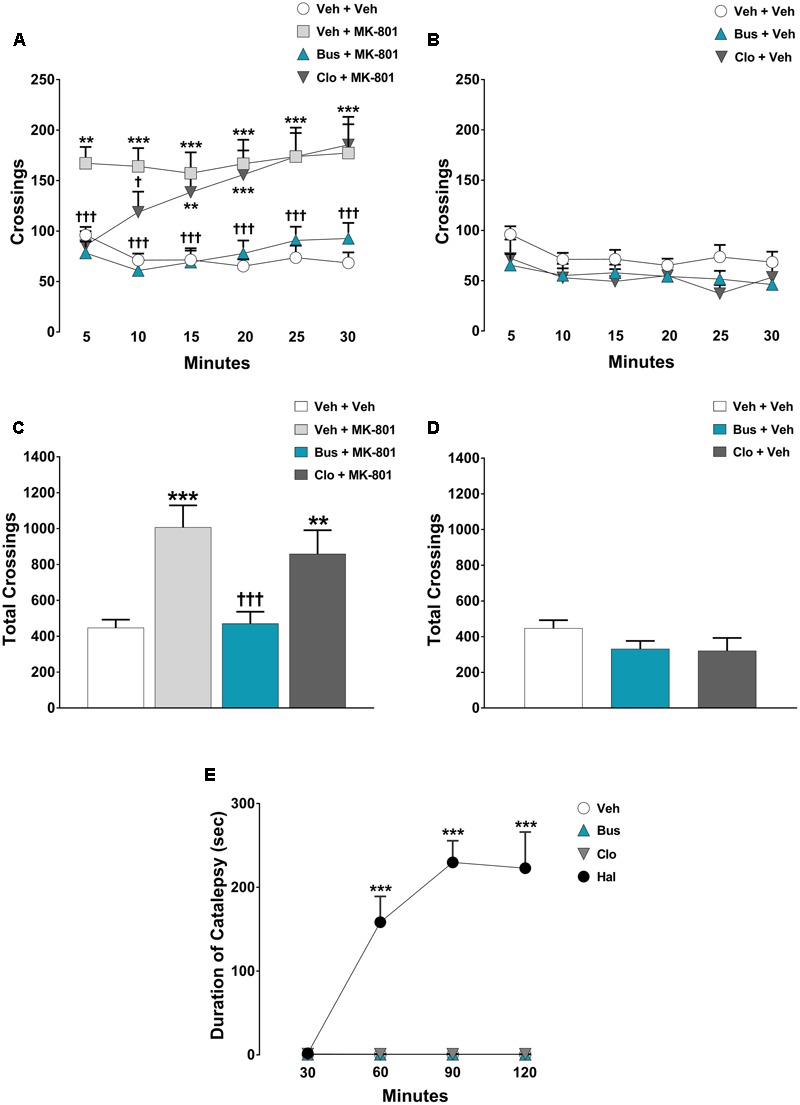
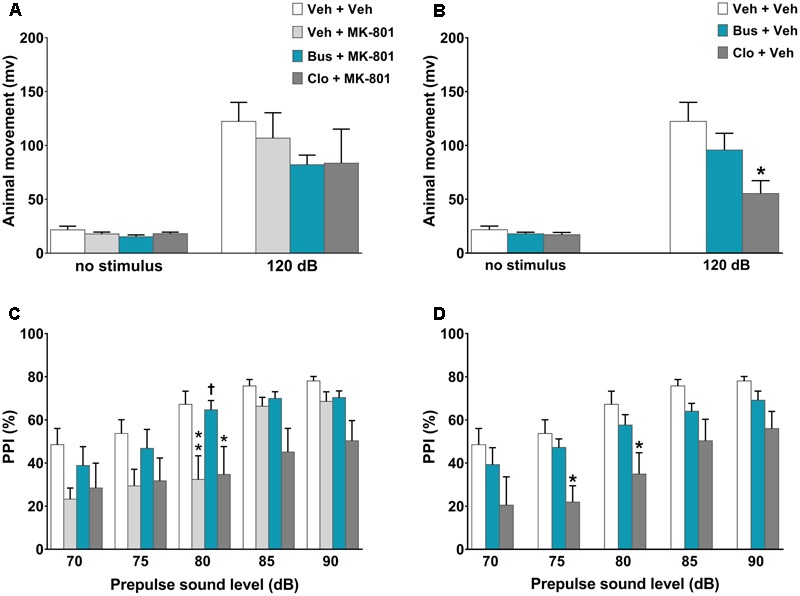
Several efforts have been made to develop effective antipsychotic drugs. Currently, available antipsychotics are effective on positive symptoms, less on negative symptoms, but not on cognitive impairment, a clinically relevant dimension of schizophrenia. Drug repurposing offers great advantages over the long-lasting, risky and expensive, drug discovery strategy. To our knowledge, the possible antipsychotic properties of buspirone, an azapirone anxiolytic drug marketed in 1986 as serotonin 5-HT receptor (5-HTR) partial agonist, have not been extensively investigated despite its intriguing pharmacodynamic profile, which includes dopamine D (DR) and D receptor (DR) antagonist activity. Multiple lines of evidence point to DR as a valid therapeutic target for the treatment of several neuropsychiatric disorders including schizophrenia. In the present study, we tested the hypothesis that buspirone, behaving as dopamine DR antagonist, may have antipsychotic-like activity. Effects of acute administration of buspirone was assessed on a wide-range of schizophrenia-relevant abnormalities induced by a single administration of the non-competitive NMDAR antagonist MK-801, in both wild-type mice (WT) and DR-null mutant mice (DR). Buspirone (3 mg⋅kg, i.p.) was devoid of cataleptogenic activity in itself, but resulted effective in counteracting disruption of prepulse inhibition (PPI), hyperlocomotion and deficit of temporal order recognition memory (TOR) induced by MK-801 (0.1 mg⋅kg, i.p.) in WT mice. Conversely, in DR mice, buspirone was ineffective in preventing MK-801-induced TOR deficit and it was only partially effective in blocking MK-801-stimulated hyperlocomotion. Taken together, these results indicate, for the first time, that buspirone, might be a potential therapeutic medication for the treatment of schizophrenia. In particular, buspirone, through its DR antagonist activity, may be a useful tool for improving the treatment of cognitive deficits in schizophrenia that still represents an unmet need of this disease.
人们已经做出了多项努力来研发有效的抗精神病药物。目前,现有的抗精神病药物对阳性症状有效,对阴性症状效果较差,而对精神分裂症临床上相关的认知障碍维度则无效。与耗时长久、风险大且成本高的药物研发策略相比,药物重新利用具有巨大优势。据我们所知,丁螺环酮(一种1986年上市的氮杂螺环酮类抗焦虑药物,作为5-羟色胺5-HT受体(5-HTR)部分激动剂)可能具有的抗精神病特性,尽管其具有包括多巴胺D(DR)和D受体(DR)拮抗剂活性在内的有趣药效学特征,但尚未得到广泛研究。多条证据表明DR是治疗包括精神分裂症在内的多种神经精神疾病的有效治疗靶点。在本研究中,我们检验了这样一个假设:表现为多巴胺DR拮抗剂的丁螺环酮可能具有抗精神病样活性。在野生型小鼠(WT)和DR基因敲除突变小鼠(DR)中,评估了单次注射非竞争性NMDAR拮抗剂MK-801诱导的一系列与精神分裂症相关的异常情况下,急性注射丁螺环酮的效果。丁螺环酮(3毫克·千克,腹腔注射)本身没有致僵活性,但能有效对抗MK-801(0.1毫克·千克,腹腔注射)在WT小鼠中诱导的前脉冲抑制(PPI)破坏、运动亢进和时间顺序识别记忆(TOR)缺陷。相反,在DR小鼠中,丁螺环酮在预防MK-801诱导的TOR缺陷方面无效,并且在阻断MK-801刺激的运动亢进方面仅部分有效。综上所述,这些结果首次表明,丁螺环酮可能是治疗精神分裂症的潜在治疗药物。特别是,丁螺环酮通过其DR拮抗剂活性,可能是改善精神分裂症认知缺陷治疗的有用工具,而认知缺陷仍是该疾病未满足的需求。