Zhu Mengqi, Huang Zhonghua, Ma Chao, Li Yinlin
School of Mechatronical Engineering, Beijing Institute of Technology, Beijing 100081, China.
Sensors (Basel). 2017 Oct 20;17(10):2398. doi: 10.3390/s17102398.
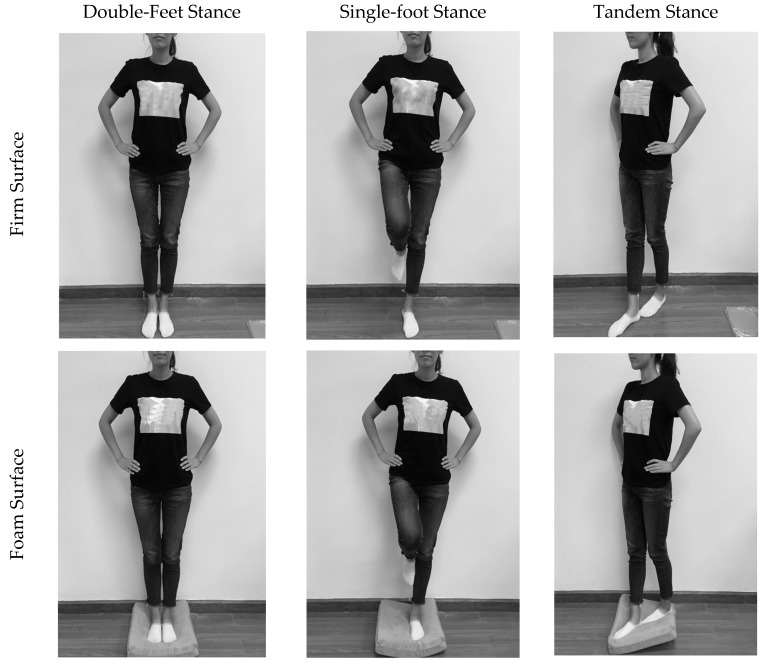
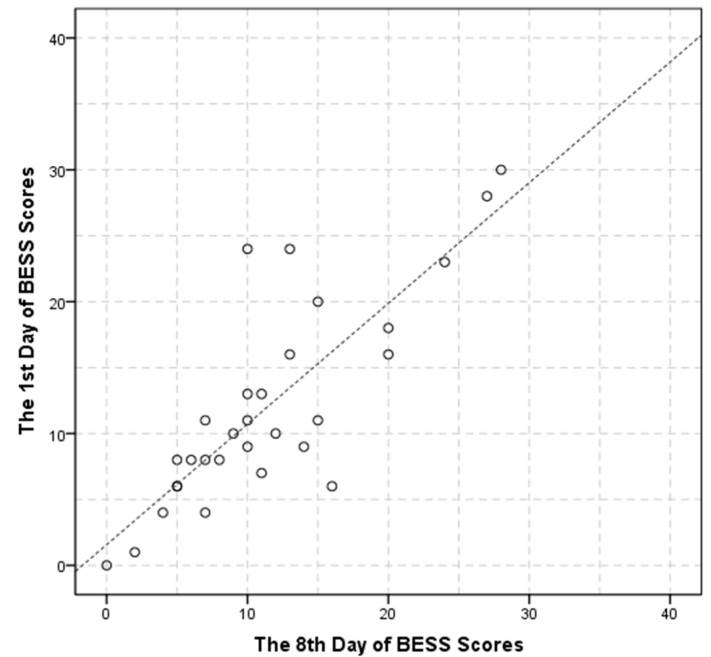
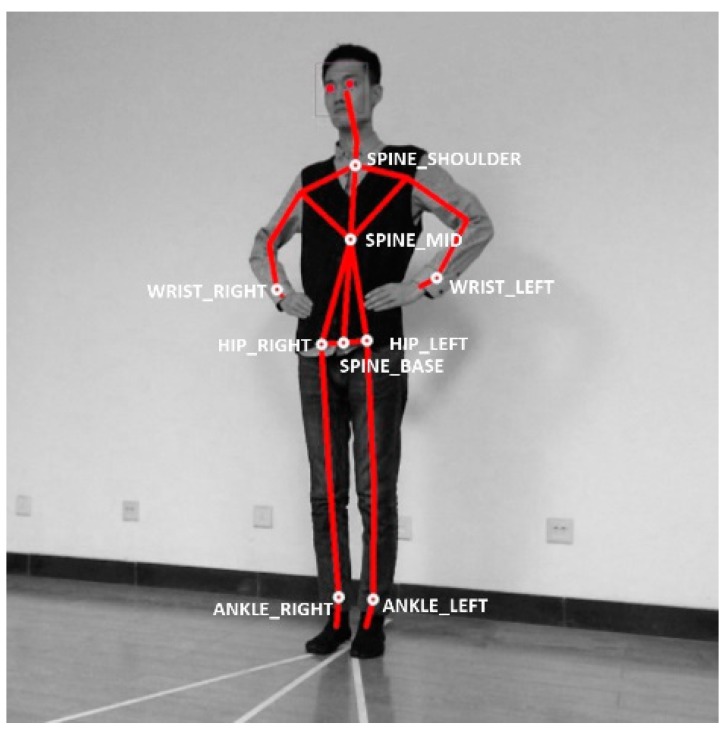
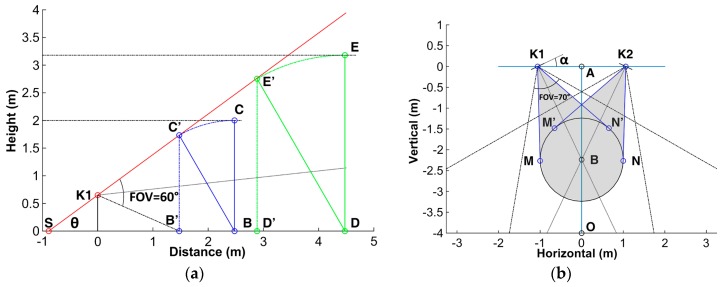
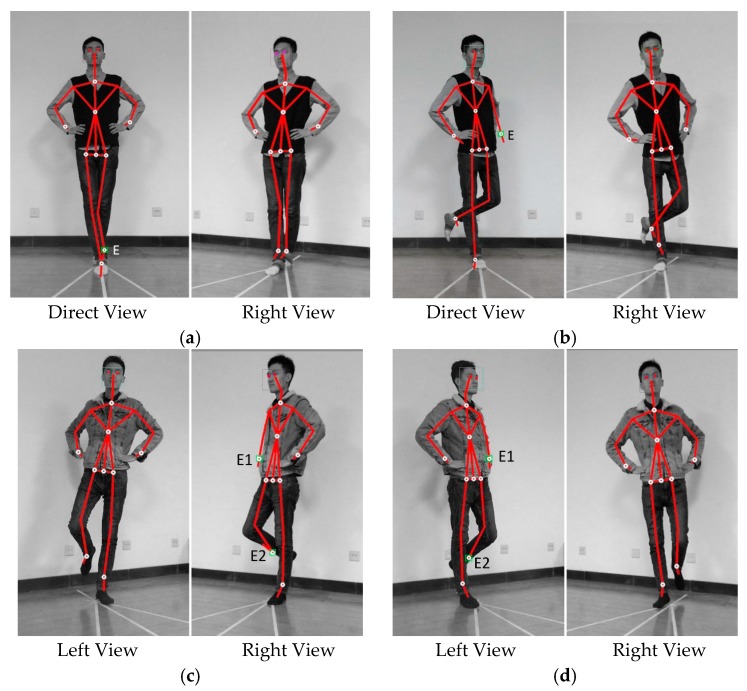
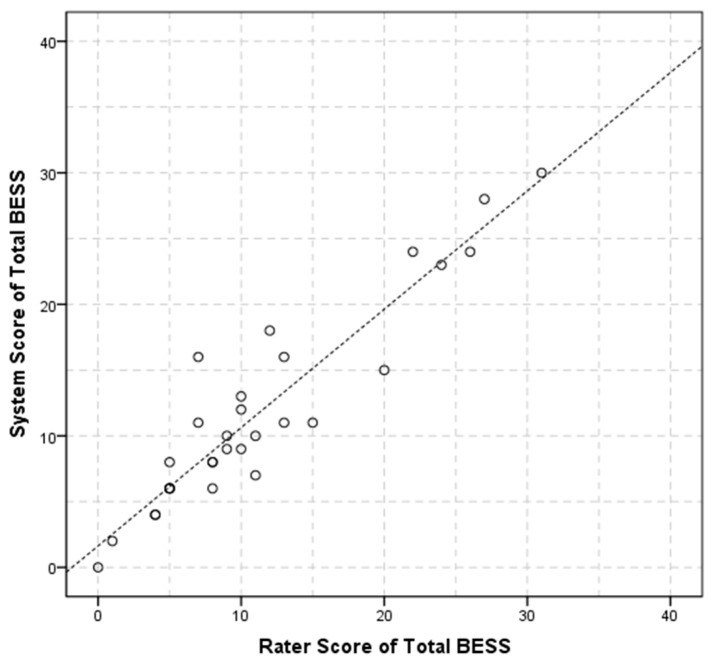
Sports-related concussion is a common sports injury that might induce potential long-term consequences without early diagnosis and intervention in the field. However, there are few options of such sensor systems available. The aim of the study is to propose and validate an automated concussion administration and scoring approach, which is objective, affordable and capable of detecting all balance errors required by the balance error scoring system (BESS) protocol in the field condition. Our approach is first to capture human body skeleton positions using two Microsoft Kinect sensors in the proposed configuration and merge the data by a custom-made algorithm to remove the self-occlusion of limbs. The standing balance errors according to BESS protocol were further measured and accessed automatically by the proposed algorithm. Simultaneously, the BESS test was filmed for scoring by an experienced rater. Two results were compared using Pearson coefficient , obtaining an excellent consistency ( = 0.93, < 0.05). In addition, BESS test-retest was performed after seven days and compared using intraclass correlation coefficients (ICC), showing a good test-retest reliability (ICC = 0.81, < 0.01). The proposed approach could be an alternative of objective tools to assess postural stability for sideline sports concussion diagnosis.
与运动相关的脑震荡是一种常见的运动损伤,如果在现场没有早期诊断和干预,可能会引发潜在的长期后果。然而,目前可用的此类传感系统选择很少。本研究的目的是提出并验证一种自动脑震荡管理和评分方法,该方法客观、经济实惠,并且能够在现场条件下检测平衡误差评分系统(BESS)协议所需的所有平衡误差。我们的方法首先是在所提出的配置中使用两个微软Kinect传感器捕获人体骨骼位置,并通过定制算法合并数据以消除肢体的自我遮挡。根据BESS协议的站立平衡误差由所提出的算法进一步测量并自动获取。同时,对BESS测试进行拍摄,由经验丰富的评分者进行评分。使用皮尔逊系数比较两个结果,获得了极好的一致性(=0.93,<0.05)。此外,在七天后进行了BESS重测,并使用组内相关系数(ICC)进行比较,显示出良好的重测可靠性(ICC=0.81,<0.01)。所提出的方法可以作为一种客观工具的替代方案,用于评估边线运动脑震荡诊断中的姿势稳定性。