Department of Molecular Biotechnology and Health Sciences, University of Turin, Turin, Italy.
Center for Experimental Research and Medical Studies, Azienda Universitaria Ospedaliera Città della Salute e della Scienza di Torino, Turin, Italy.
Oncogene. 2018 Feb 8;37(6):697-709. doi: 10.1038/onc.2017.358. Epub 2017 Oct 23.
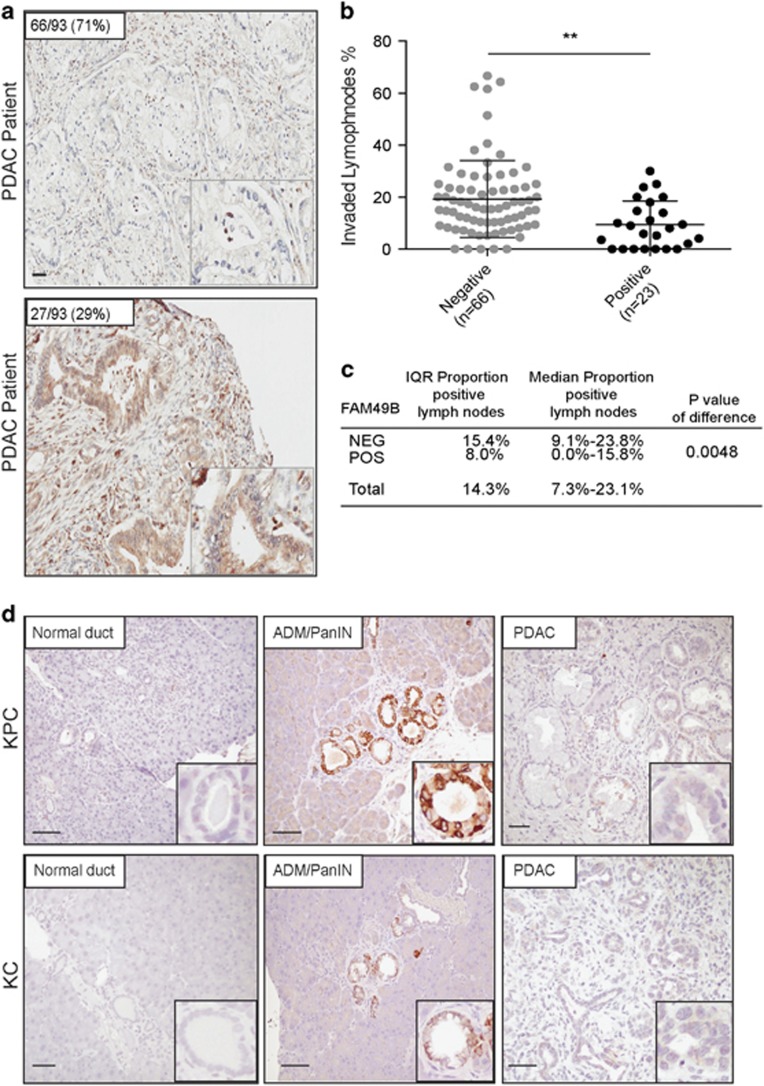
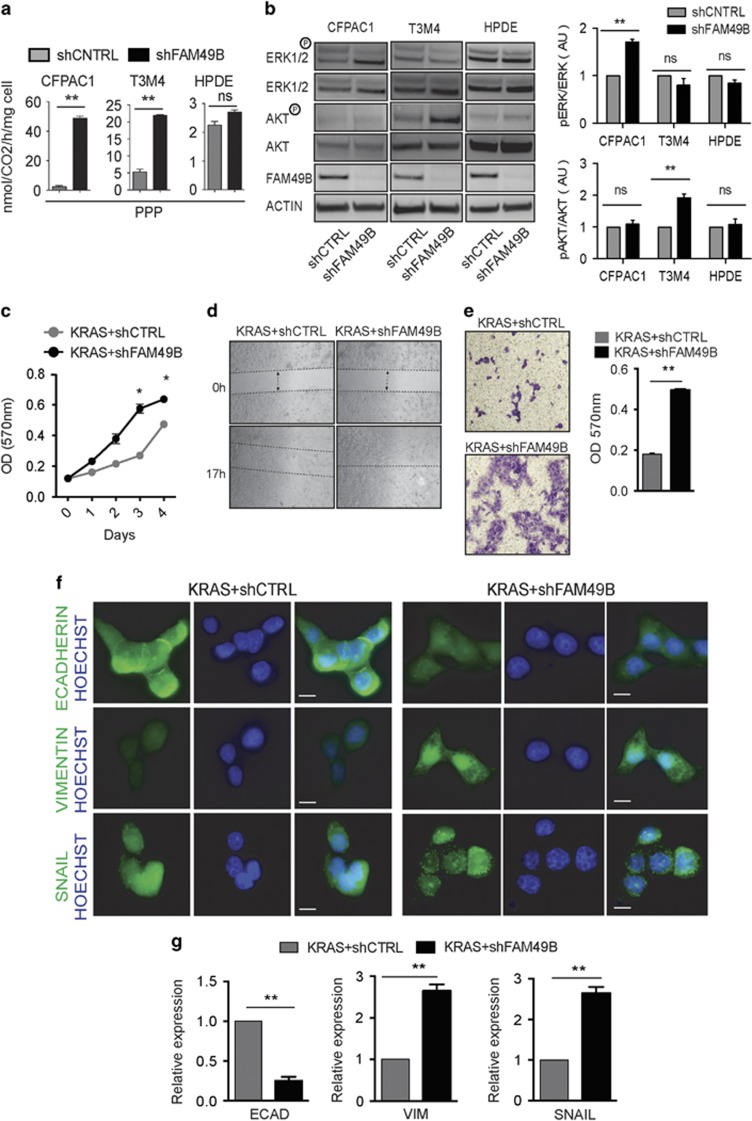
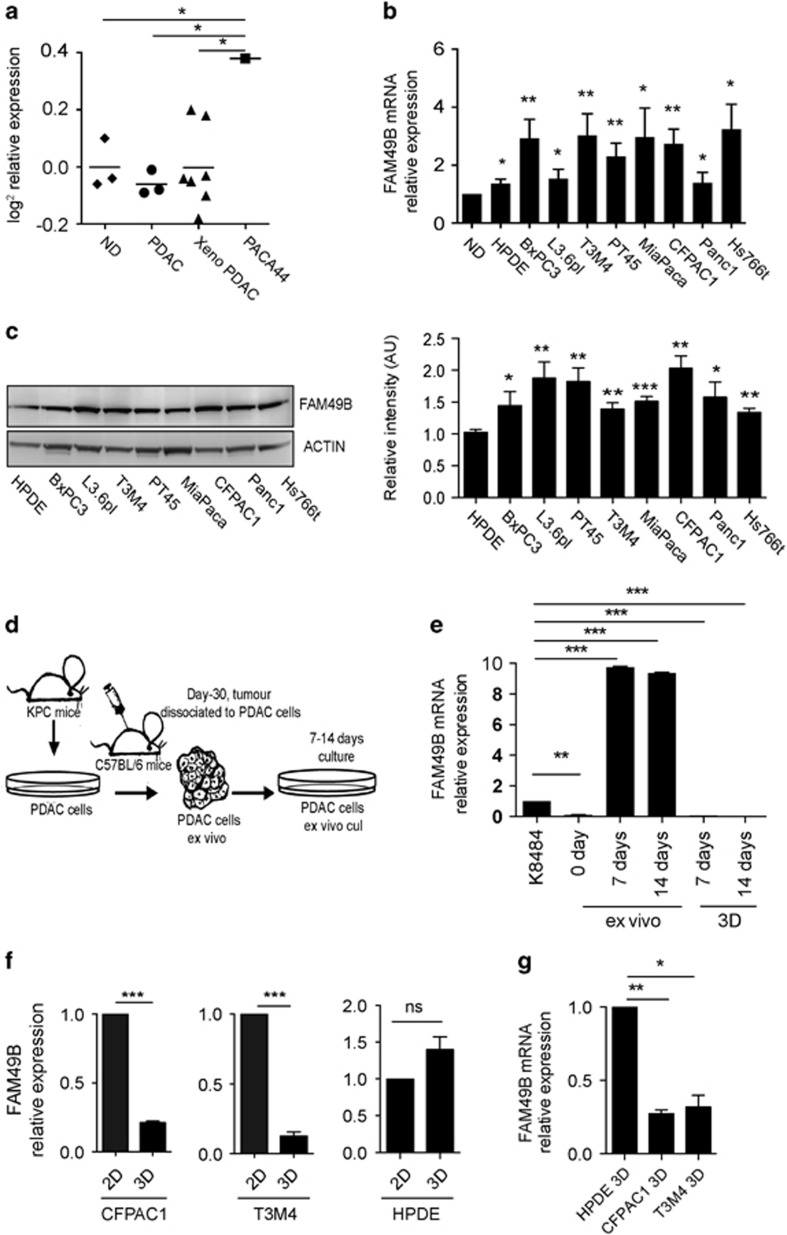
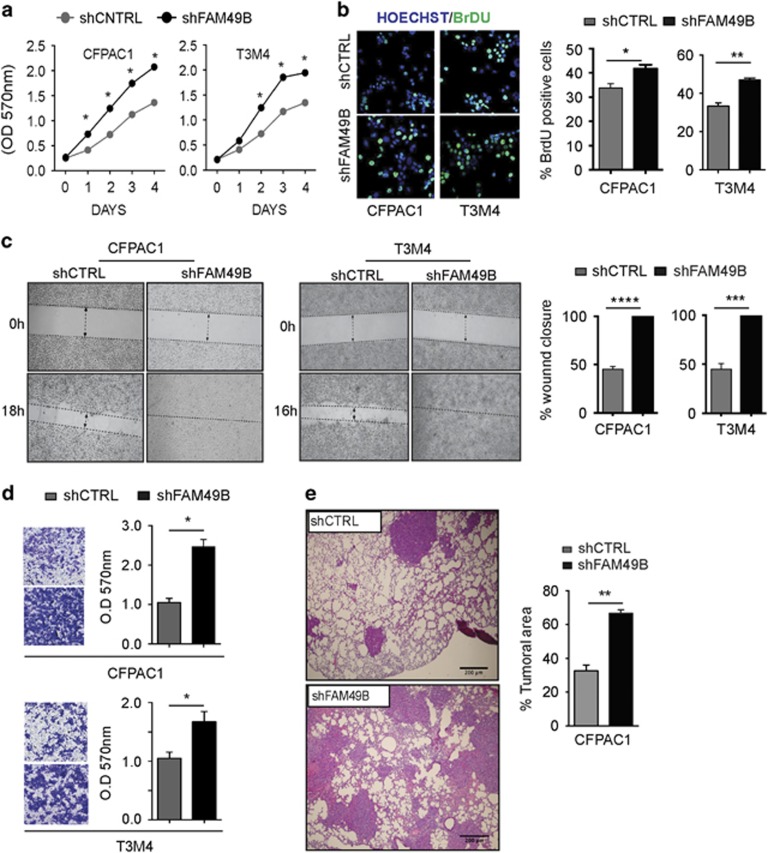
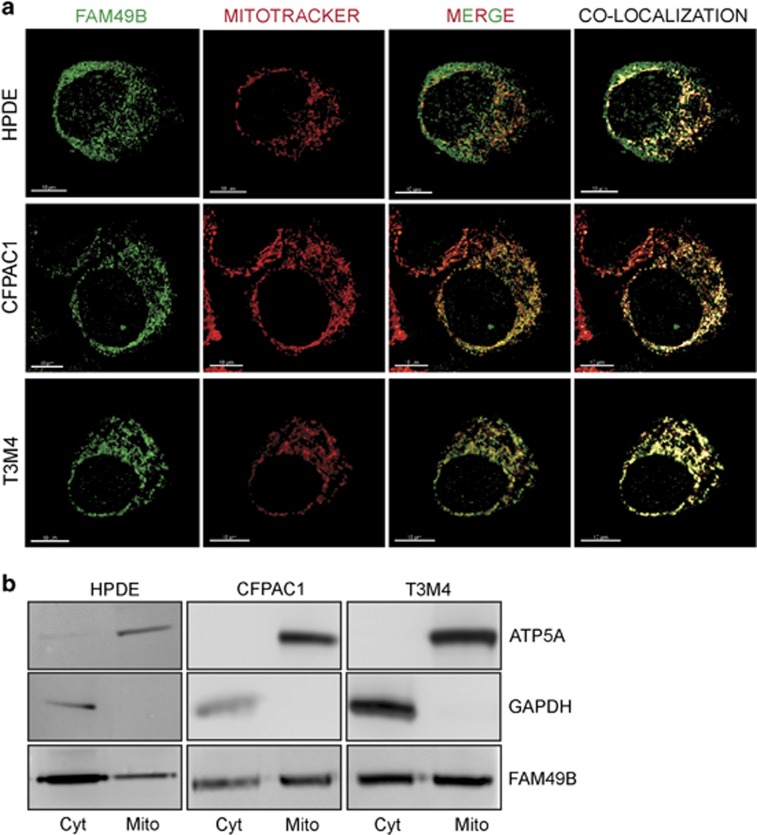
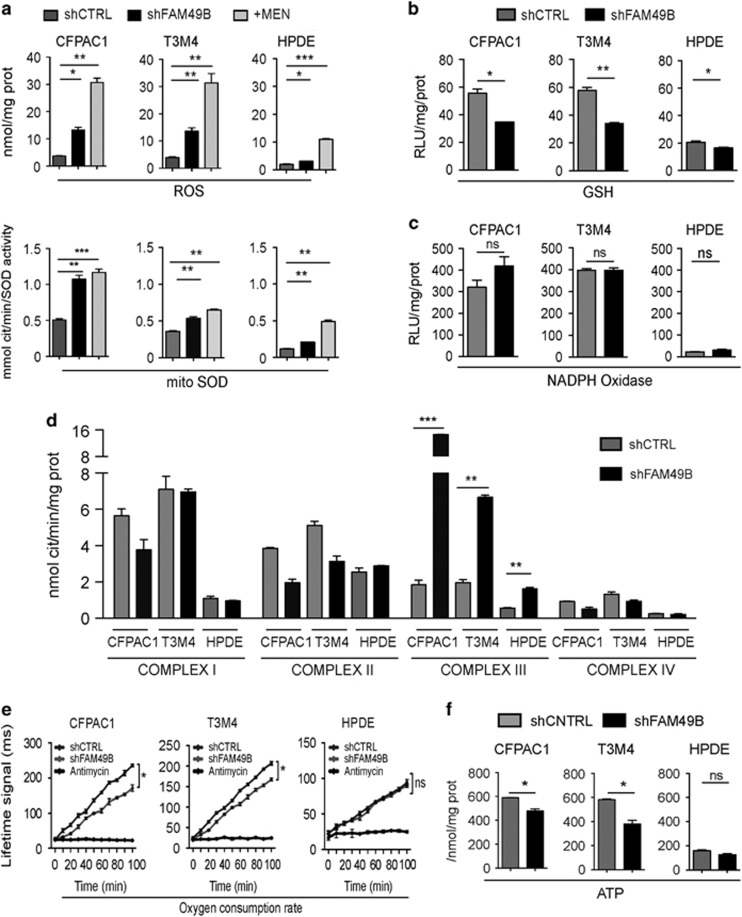
Mitochondrial dysregulation plays a central role in cancers and drives reactive oxygen species (ROS)-dependent tumor progression. We investigated the pro-tumoral roles of mitochondrial dynamics and altered intracellular ROS levels in pancreatic ductal adenocarcinoma (PDAC). We identified 'family with sequence similarity 49 member B' (FAM49B) as a mitochondria-localized protein that regulates mitochondrial fission and cancer progression. Silencing FAM49B in PDAC cells resulted in increased fission and mitochondrial ROS generation, which enhanced PDAC cell proliferation and invasion. Notably, FAM49B expression levels in PDAC cells were downregulated by the tumor microenvironment. Overall, the results of this study show that FAM49B acts as a suppressor of cancer cell proliferation and invasion in PDAC by regulating tumor mitochondrial redox reactions and metabolism.
线粒体失调在癌症中起着核心作用,并驱动活性氧(ROS)依赖性肿瘤进展。我们研究了线粒体动力学和细胞内 ROS 水平改变在胰腺导管腺癌(PDAC)中的促肿瘤作用。我们发现“家族与序列相似性 49 成员 B”(FAM49B)是一种定位于线粒体的蛋白质,可调节线粒体裂变和癌症进展。在 PDAC 细胞中沉默 FAM49B 会导致裂变增加和线粒体 ROS 生成增加,从而增强 PDAC 细胞的增殖和侵袭。值得注意的是,PDAC 细胞中的 FAM49B 表达水平受肿瘤微环境下调。总的来说,这项研究的结果表明,FAM49B 通过调节肿瘤线粒体氧化还原反应和代谢,作为 PDAC 中癌细胞增殖和侵袭的抑制剂发挥作用。