Department of Internal Medicine, Mayo Clinic, Rochester, MN 55905, USA.
Department of Biochemistry and Molecular Biology, Mayo Clinic, Rochester, MN 55905, USA.
Int J Mol Sci. 2024 Feb 15;25(4):2320. doi: 10.3390/ijms25042320.
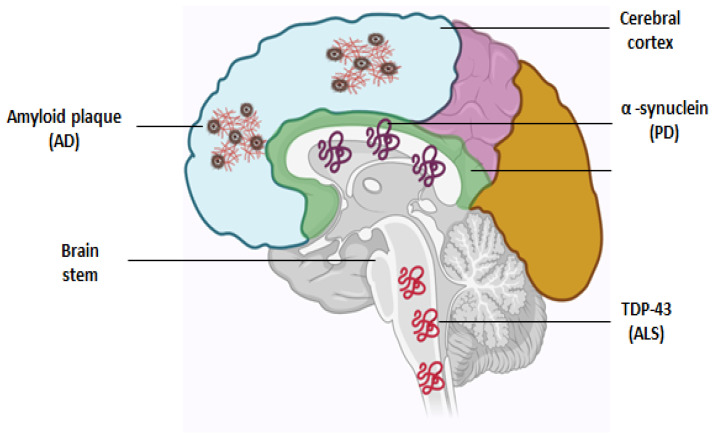
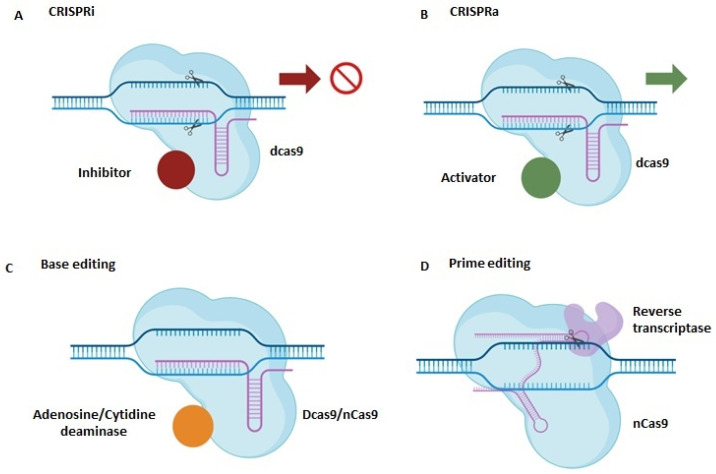
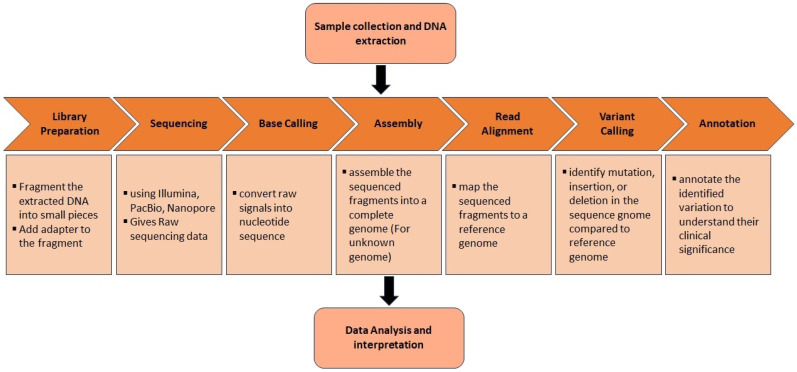
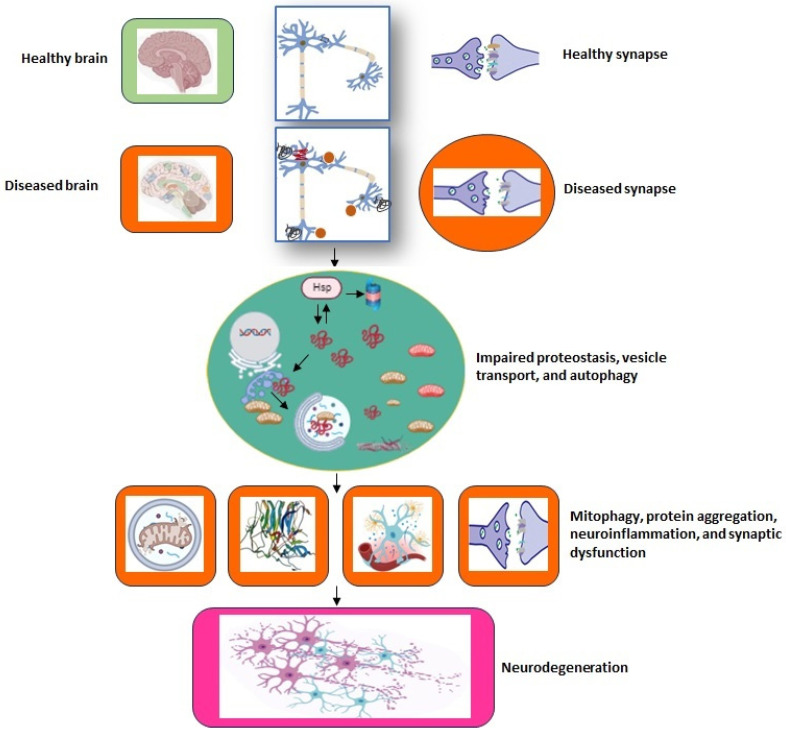
Genetic abnormalities play a crucial role in the development of neurodegenerative disorders (NDDs). Genetic exploration has indeed contributed to unraveling the molecular complexities responsible for the etiology and progression of various NDDs. The intricate nature of rare and common variants in NDDs contributes to a limited understanding of the genetic risk factors associated with them. Advancements in next-generation sequencing have made whole-genome sequencing and whole-exome sequencing possible, allowing the identification of rare variants with substantial effects, and improving the understanding of both Mendelian and complex neurological conditions. The resurgence of gene therapy holds the promise of targeting the etiology of diseases and ensuring a sustained correction. This approach is particularly enticing for neurodegenerative diseases, where traditional pharmacological methods have fallen short. In the context of our exploration of the genetic epidemiology of the three most prevalent NDDs-amyotrophic lateral sclerosis, Alzheimer's disease, and Parkinson's disease, our primary goal is to underscore the progress made in the development of next-generation sequencing. This progress aims to enhance our understanding of the disease mechanisms and explore gene-based therapies for NDDs. Throughout this review, we focus on genetic variations, methodologies for their identification, the associated pathophysiology, and the promising potential of gene therapy. Ultimately, our objective is to provide a comprehensive and forward-looking perspective on the emerging research arena of NDDs.
遗传异常在神经退行性疾病(NDDs)的发展中起着至关重要的作用。遗传探索确实有助于揭示导致各种 NDD 病因和进展的分子复杂性。NDD 中罕见和常见变异的复杂性质导致对与之相关的遗传风险因素的理解有限。下一代测序技术的进步使得全基因组测序和全外显子组测序成为可能,从而能够识别具有显著影响的罕见变异,并提高对孟德尔和复杂神经疾病的理解。基因治疗的复兴有望针对疾病的病因进行治疗,并确保持续的纠正。这种方法对于神经退行性疾病特别有吸引力,因为传统的药物治疗方法已经失败。在我们探索三种最常见的 NDD(肌萎缩侧索硬化症、阿尔茨海默病和帕金森病)的遗传流行病学的过程中,我们的主要目标是强调下一代测序技术的发展所取得的进展。这一进展旨在增强我们对疾病机制的理解,并探索针对 NDD 的基于基因的治疗方法。在本综述中,我们重点关注遗传变异、鉴定方法、相关的病理生理学以及基因治疗的有前途的潜力。最终,我们的目标是提供一个全面和前瞻性的视角,关注新兴的 NDD 研究领域。