Tang Biao, Xie Feng, Zhao Wei, Wang Jian, Dai Shengwang, Zheng Huajun, Ding Xiaoming, Cen Xufeng, Liu Haican, Yu Yucong, Zhou Haokui, Zhou Yan, Zhang Lixin, Goodfellow Michael, Zhao Guo-Ping
State Key Laboratory of Genetic Engineering, Department of Microbiology, School of Life Sciences and Institute of Biomedical Sciences, Fudan University, Shanghai, 200438, China.
CAS-Key Laboratory of Synthetic Biology, Institute of Plant Physiology and Ecology, Shanghai Institutes for Biological Sciences, Chinese Academy of Sciences, Shanghai, 200031, China.
Synth Syst Biotechnol. 2016 Sep 1;1(3):169-186. doi: 10.1016/j.synbio.2016.05.001. eCollection 2016 Sep.
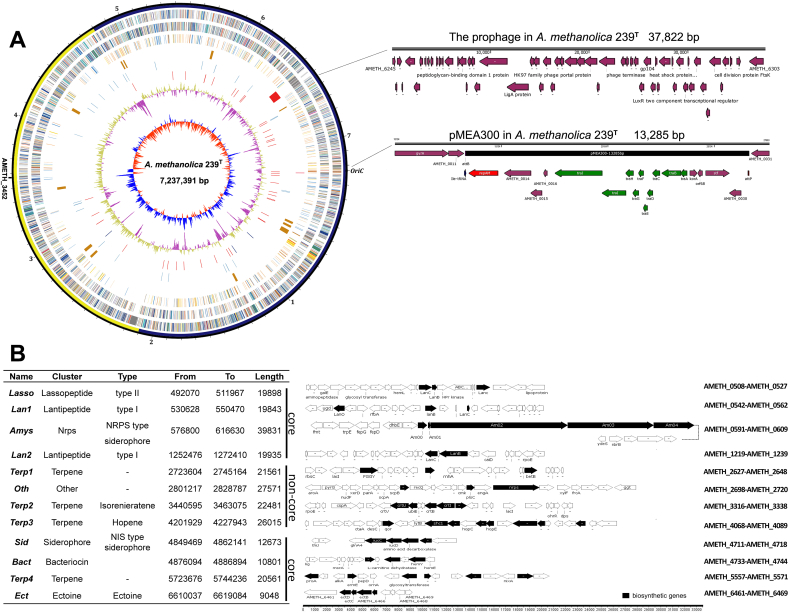
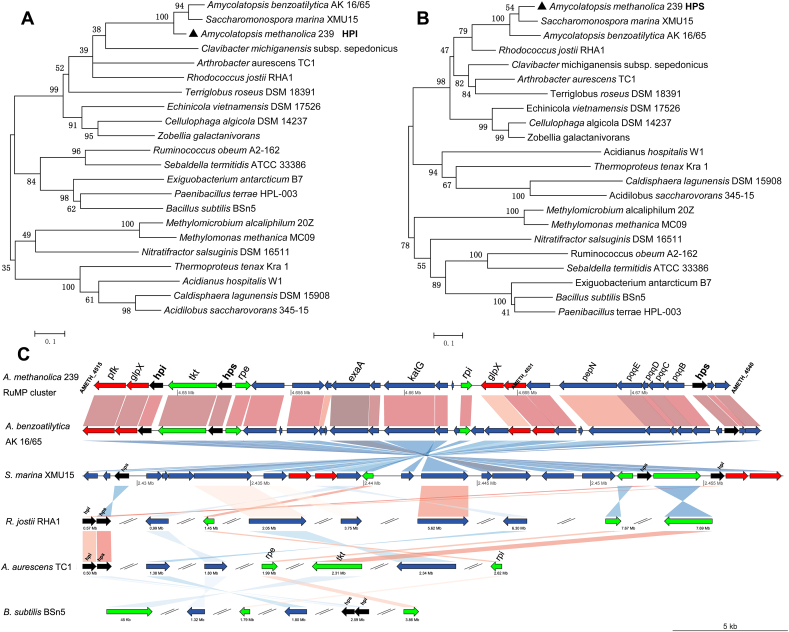
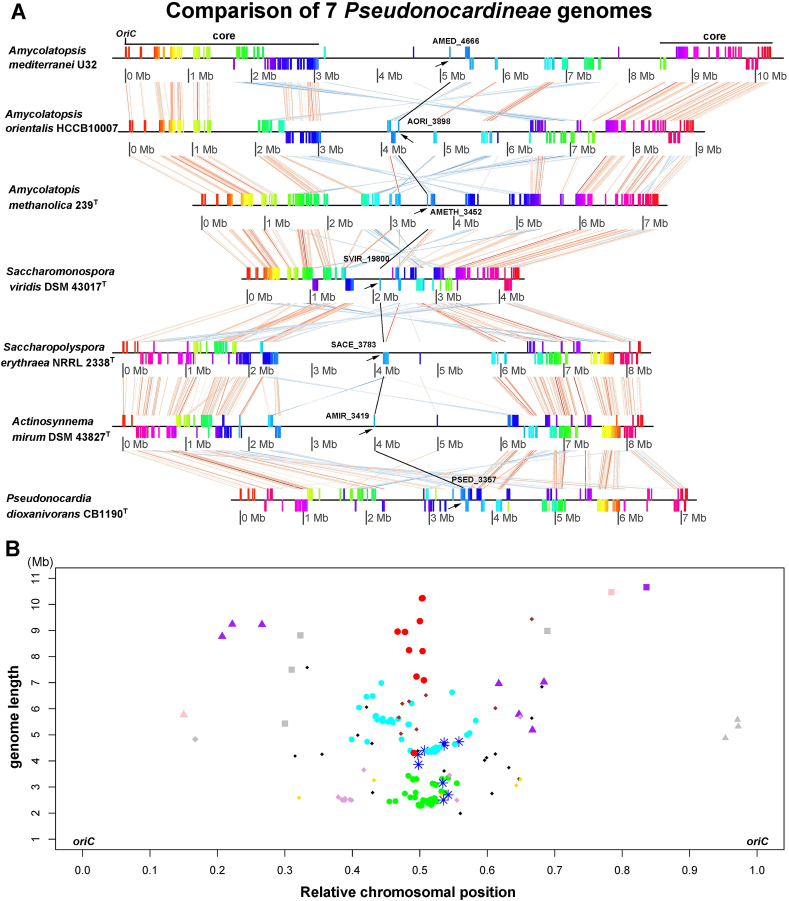
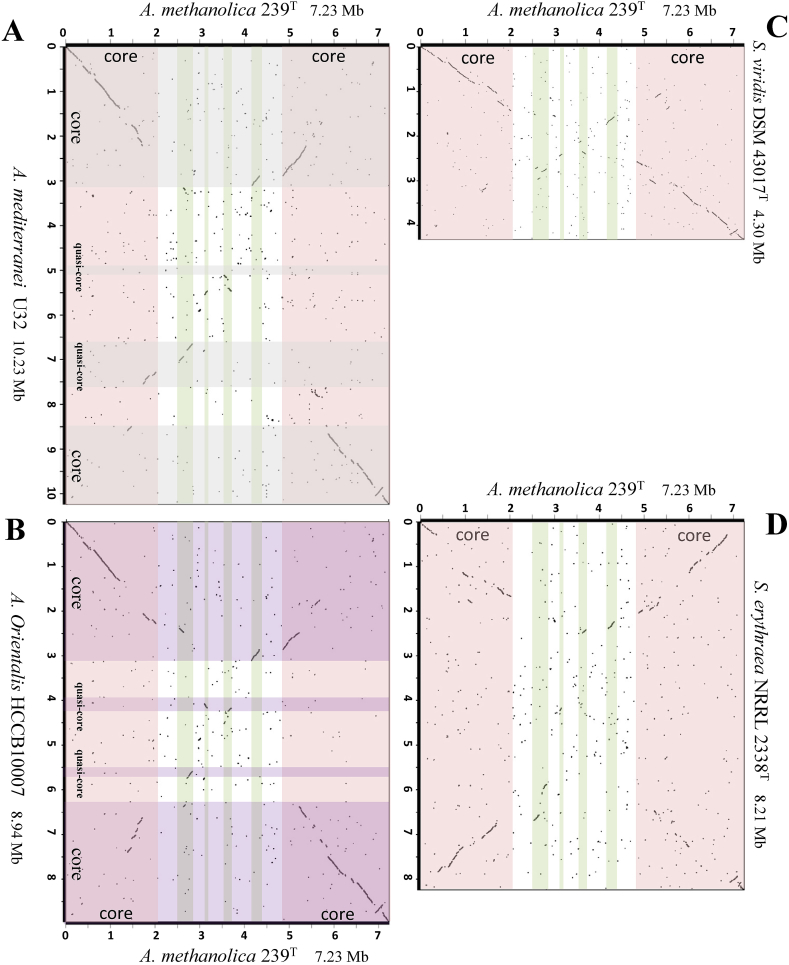
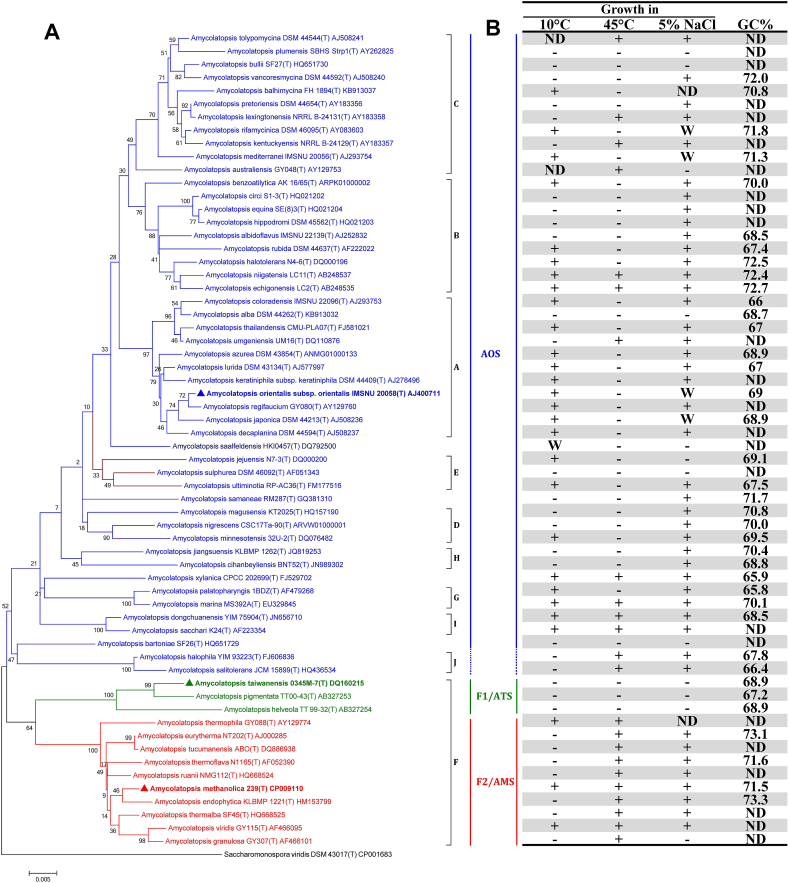
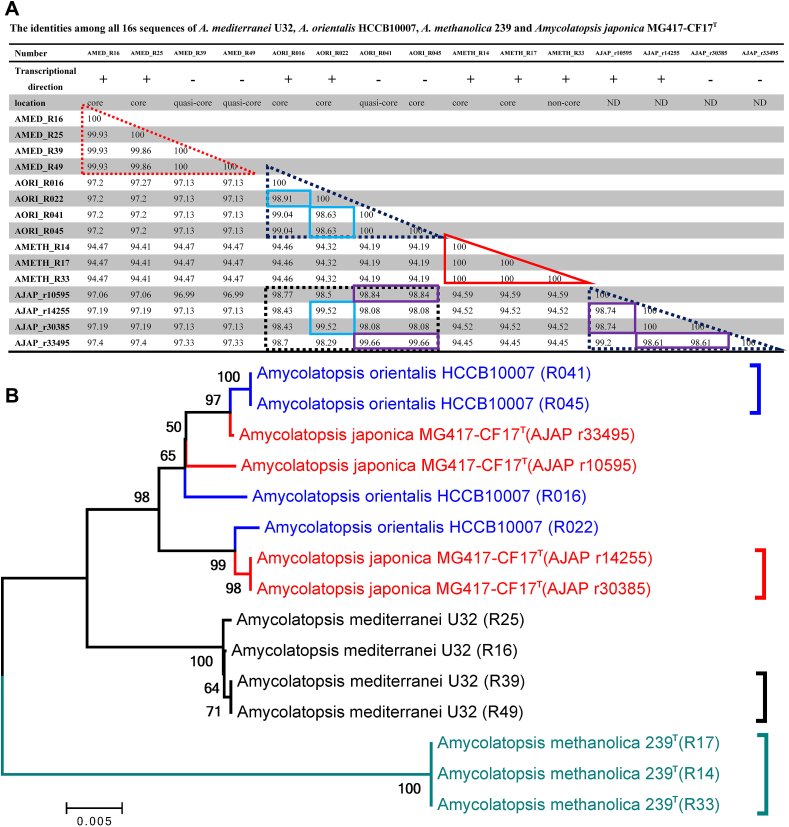
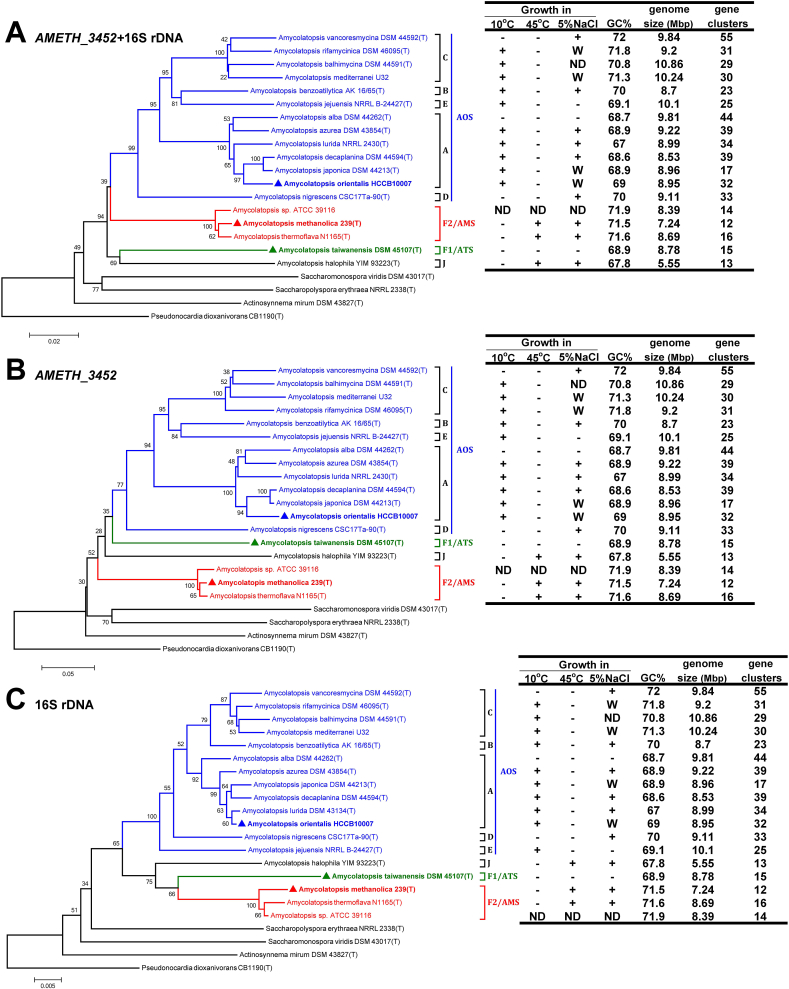
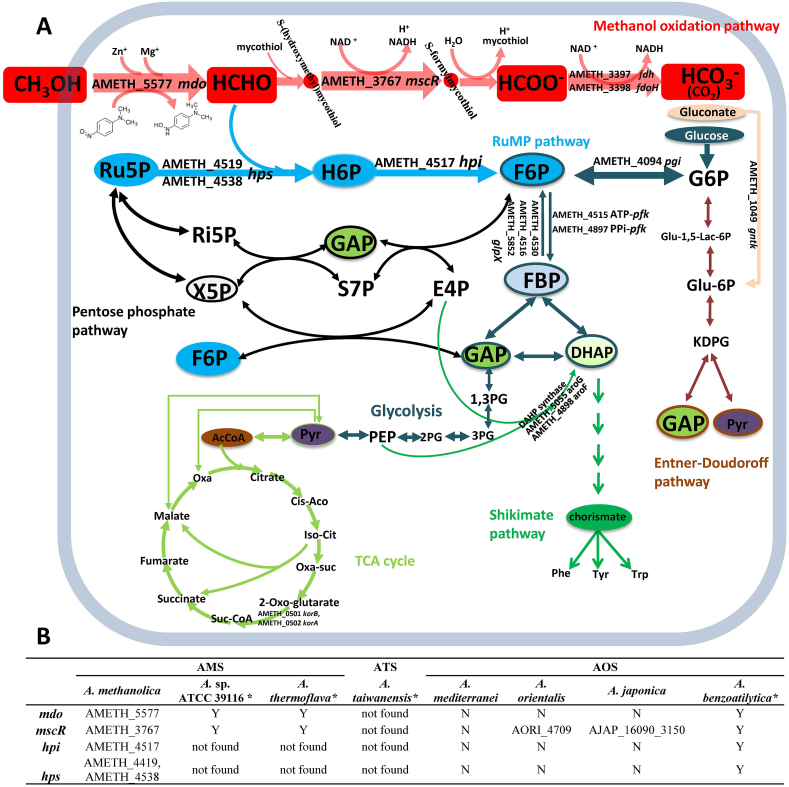
The complete genome of methanol-utilizing strain 239 was generated, revealing a single 7,237,391 nucleotide circular chromosome with 7074 annotated protein-coding sequences (CDSs). Comparative analyses against the complete genome sequences of strain MG417-CF17, strain U32 and strain HCCB10007 revealed a broad spectrum of genomic structures, including various genome sizes, core/quasi-core/non-core configurations and different kinds of episomes. Although polyketide synthase gene clusters were absent from the genome, 12 gene clusters related to the biosynthesis of other specialized (secondary) metabolites were identified. Complete pathways attributable to the facultative methylotrophic physiology of strain 239, including both the / encoded methanol oxidation and the / encoded formaldehyde assimilation the ribulose monophosphate cycle, were identified together with evidence that the latter might be the result of horizontal gene transfer. Phylogenetic analyses based on 16S rDNA or orthologues of , a novel actinobacterial class-specific conserved gene against 62 or 18 type strains, respectively, revealed three major phyletic lineages, namely the mesophilic or moderately thermophilic subclade (AOS), the mesophilic subclade (ATS) and the thermophilic subclade (AMS). The distinct growth temperatures of members of the subclades correlated with corresponding genetic variations in their encoded compatible solutes. This study shows the value of integrating conventional taxonomic with whole genome sequence data.
对利用甲醇的菌株239进行了全基因组测序,结果显示其有一条由7,237,391个核苷酸组成的单一环状染色体,带有7074个注释的蛋白质编码序列(CDS)。与菌株MG417-CF17、菌株U32和菌株HCCB10007的全基因组序列进行比较分析,揭示了广泛的基因组结构,包括各种基因组大小、核心/准核心/非核心配置以及不同类型的附加体。虽然该基因组中不存在聚酮合酶基因簇,但鉴定出了12个与其他特殊(次级)代谢物生物合成相关的基因簇。确定了与菌株239的兼性甲基营养生理相关的完整途径,包括编码的甲醇氧化途径和编码的甲醛同化途径以及磷酸戊糖循环,同时有证据表明后者可能是水平基因转移的结果。基于16S rDNA或一个新的放线菌纲特异性保守基因的直系同源物,分别与62个或18个模式菌株进行系统发育分析,揭示了三个主要的系统发育谱系,即嗜温或中度嗜热的亚分支(AOS)、嗜温的亚分支(ATS)和嗜热的亚分支(AMS)。这些亚分支成员不同的生长温度与其编码的相容性溶质中的相应遗传变异相关。本研究显示了将传统分类学与全基因组序列数据相结合的价值。