Department of Chemistry and Biochemistry, University of Bern, 3012 Bern, Switzerland.
Centro de Biología Molecular "Severo Ochoa", Consejo Superior de Investigaciones Científicas-Universidad Autónoma de Madrid, Cantoblanco, 28049 Madrid, Spain.
Viruses. 2017 Oct 26;9(11):313. doi: 10.3390/v9110313.
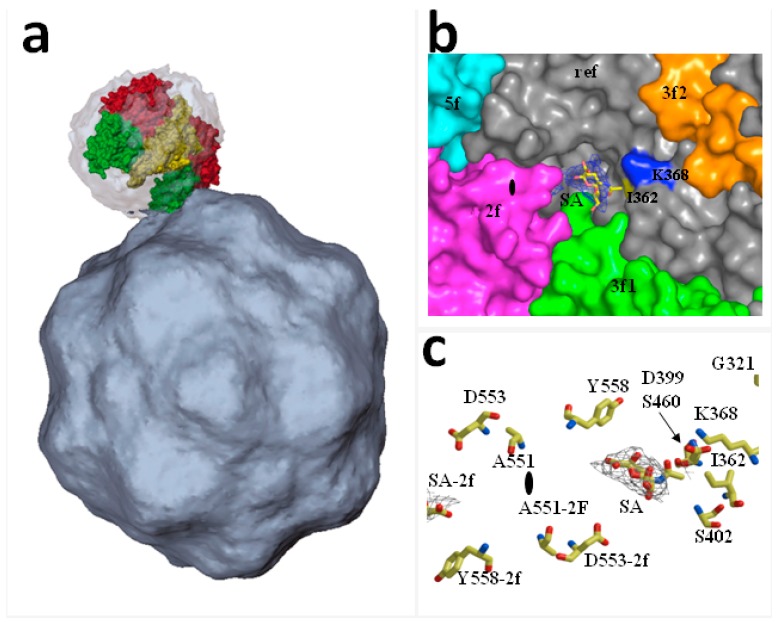
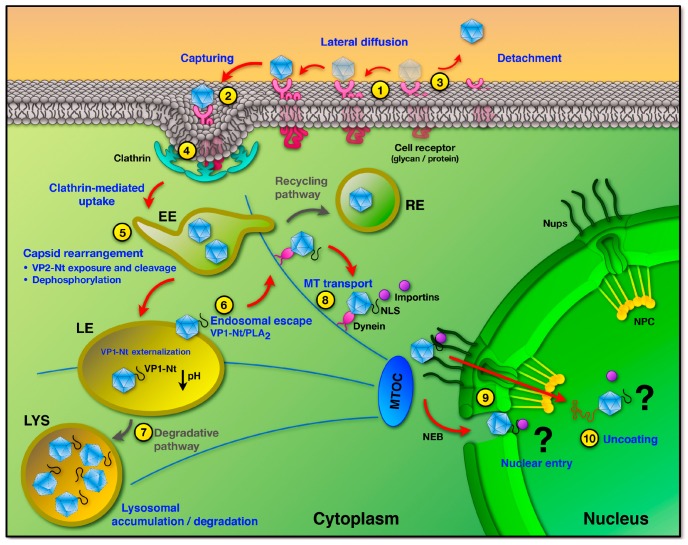
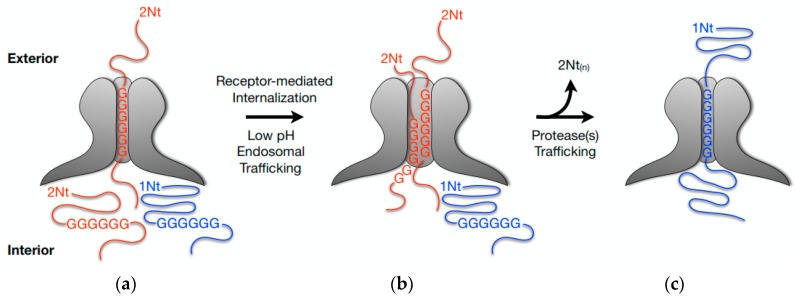
The (PtPV) genus of the family of viruses includes important animal pathogens and reference molecular models for the entire family. Some virus members of the PtPV genus have arisen as promising tools to treat tumoral processes, as they exhibit marked oncotropism and oncolytic activities while being nonpathogenic for humans. The PtPVs invade and replicate within the nucleus making extensive use of the transport, transcription and replication machineries of the host cells. In order to reach the nucleus, PtPVs need to cross over several intracellular barriers and traffic through different cell compartments, which limit their infection efficiency. In this review we summarize molecular interactions, capsid structural transitions and hijacking of cellular processes, by which the PtPVs enter and deliver their single-stranded DNA genome into the host cell nucleus. Understanding mechanisms that govern the complex PtPV entry will be instrumental in developing approaches to boost their anticancer therapeutic potential and improving their safety profile.
(PtPV)属病毒科包括重要的动物病原体和整个家族的参考分子模型。PtPV 属的一些病毒成员已成为治疗肿瘤过程的有前途的工具,因为它们表现出明显的致癌性和溶瘤活性,同时对人类无致病性。PtPV 侵入并在核内复制,大量利用宿主细胞的运输、转录和复制机制。为了到达细胞核,PtPV 需要跨越几个细胞内屏障,并通过不同的细胞区室运输,这限制了它们的感染效率。在这篇综述中,我们总结了分子相互作用、衣壳结构的转变和细胞过程的劫持,通过这些过程,PtPV 将其单链 DNA 基因组进入宿主细胞的细胞核。了解控制复杂的 PtPV 进入的机制对于开发增强其抗癌治疗潜力和改善其安全性的方法将是至关重要的。