Nasamu Armiyaw S, Glushakova Svetlana, Russo Ilaria, Vaupel Barbara, Oksman Anna, Kim Arthur S, Fremont Daved H, Tolia Niraj, Beck Josh R, Meyers Marvin J, Niles Jacquin C, Zimmerberg Joshua, Goldberg Daniel E
Division of Infectious Diseases, Department of Medicine, Washington University School of Medicine, Saint Louis, MO 63110, USA.
Department of Molecular Microbiology, Washington University School of Medicine, Saint Louis, MO 63110, USA.
Science. 2017 Oct 27;358(6362):518-522. doi: 10.1126/science.aan1478.
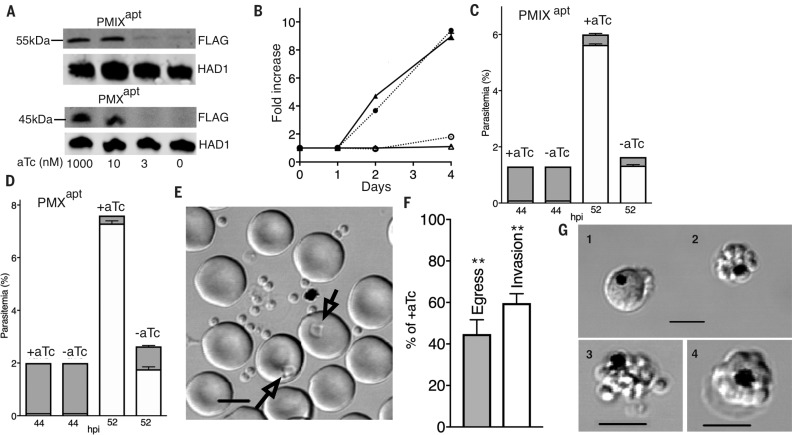
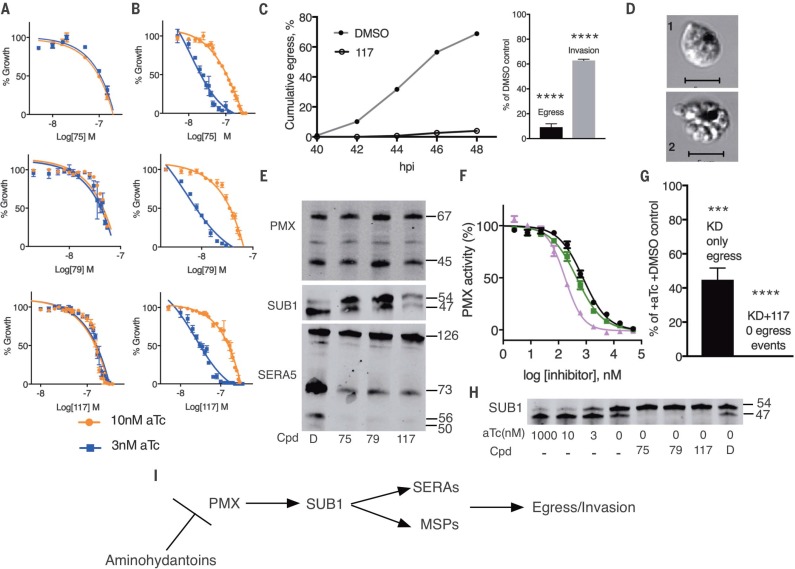
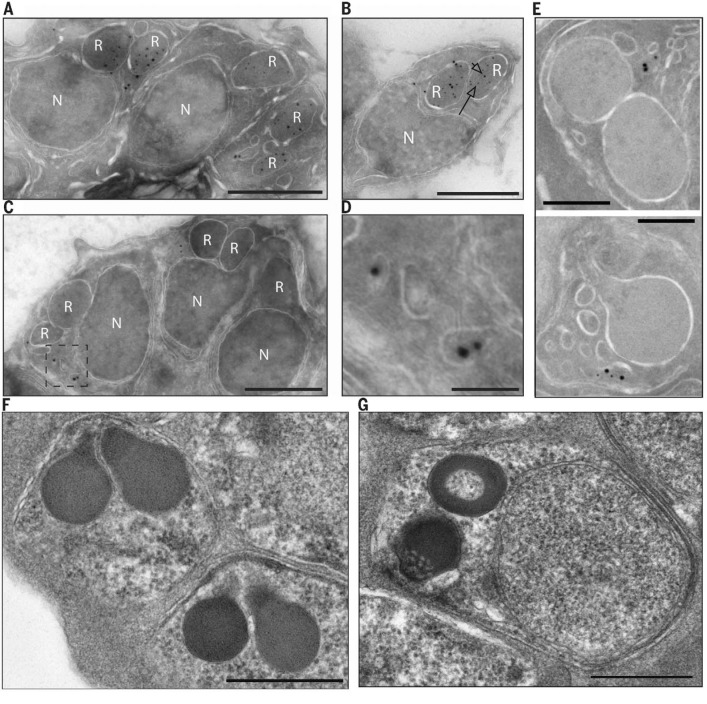
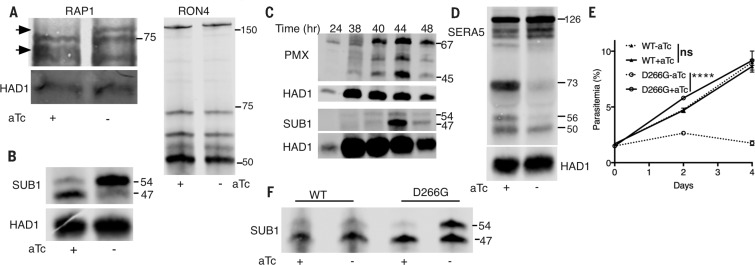
Proteases of the malaria parasite have long been investigated as drug targets. The genome encodes 10 aspartic proteases called plasmepsins, which are involved in diverse cellular processes. Most have been studied extensively but the functions of plasmepsins IX and X (PMIX and PMX) were unknown. Here we show that PMIX is essential for erythrocyte invasion, acting on rhoptry secretory organelle biogenesis. In contrast, PMX is essential for both egress and invasion, controlling maturation of the subtilisin-like serine protease SUB1 in exoneme secretory vesicles. We have identified compounds with potent antimalarial activity targeting PMX, including a compound known to have oral efficacy in a mouse model of malaria.
疟原虫蛋白酶长期以来一直作为药物靶点进行研究。该基因组编码10种称为疟原虫天冬氨酸蛋白酶的天冬氨酸蛋白酶,它们参与多种细胞过程。大多数已被广泛研究,但疟原虫天冬氨酸蛋白酶IX和X(PMIX和PMX)的功能尚不清楚。在此我们表明,PMIX对红细胞入侵至关重要,作用于棒状体分泌细胞器的生物发生。相比之下,PMX对逸出和入侵均至关重要,控制外膜分泌小泡中枯草杆菌蛋白酶样丝氨酸蛋白酶SUB1的成熟。我们已经鉴定出针对PMX具有强效抗疟活性的化合物,包括一种已知在疟疾小鼠模型中具有口服疗效的化合物。