Feeney Shane, Ryan Joseph Thomas, Kilcoyne Michelle, Joshi Lokesh, Hickey Rita
Teagasc Food Research Centre, Moorepark, Fermoy, P61C996 Co. Cork, Ireland.
Advanced Glycoscience Research Cluster, National Centre for Biomedical Engineering Science, National University of Ireland Galway, H91TK33 Galway, Ireland.
Foods. 2017 Oct 27;6(11):93. doi: 10.3390/foods6110093.
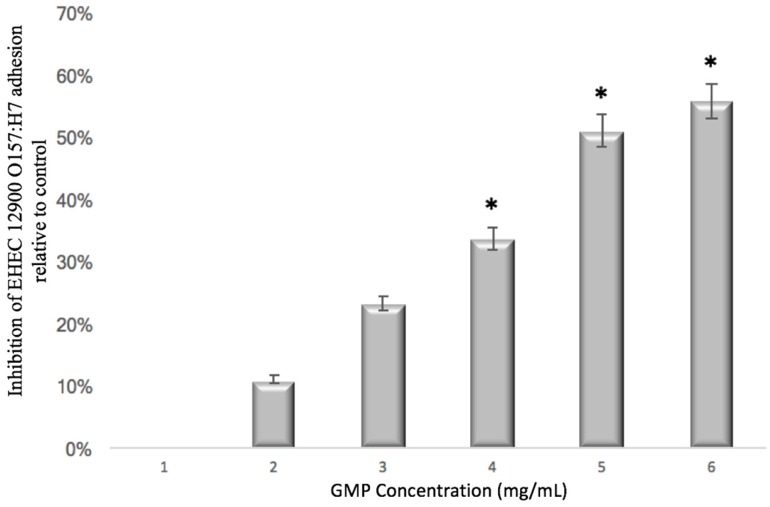
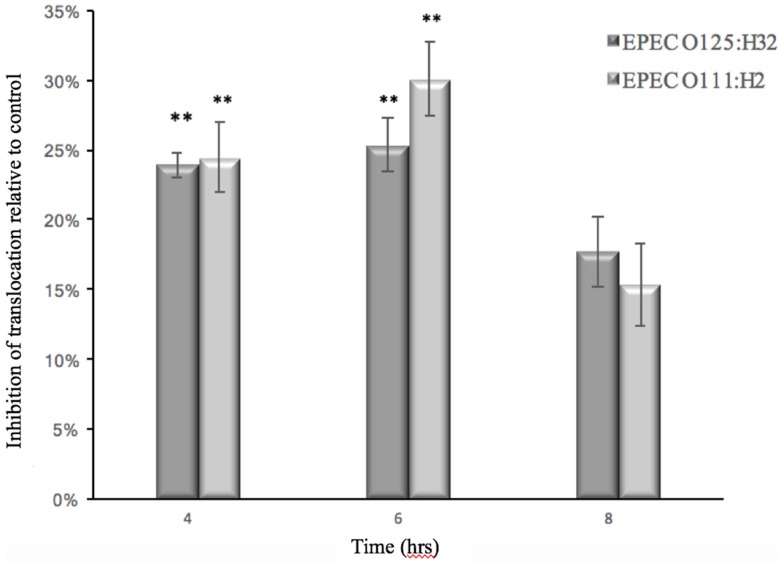
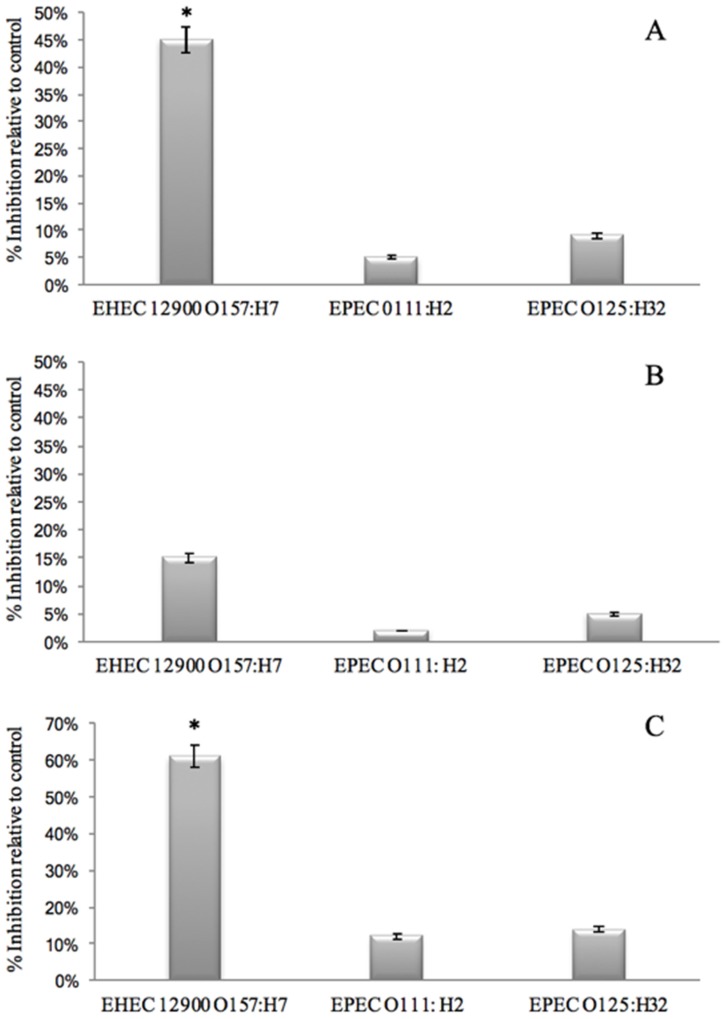
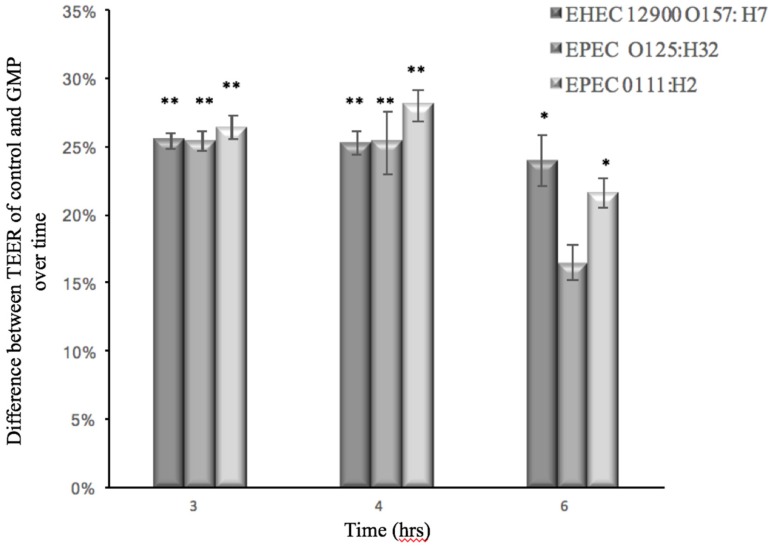
In recent years, the potential of glycosylated food components to positively influence health has received considerable attention. Milk is a rich source of biologically active glycoconjugates which are associated with antimicrobial, immunomodulatory, anti-adhesion, anti-inflammatory and prebiotic properties. Glycomacropeptide (GMP) is the C-terminal portion of kappa-casein that is released from whey during cheese-making by the action of chymosin. Many of the biological properties associated with GMP, such as anti-adhesion, have been linked with the carbohydrate portion of the protein. In this study, we investigated the ability of GMP to inhibit the adhesion of a variety of pathogenic strains to HT-29 and Caco-2 intestinal cell lines, given the importance of in causing bacterial gastroenteritis. GMP significantly reduced pathogen adhesion, albeit with a high degree of species specificity toward enteropathogenic (EPEC) strains O125:H32 and O111:H2 and enterohemorrhagic (EHEC) strain 12900 O157:H7. The anti-adhesive effect resulted from the interaction of GMP with the cells and was also dependent on GMP concentration. Pre-incubation of intestinal Caco-2 cells with GMP reduced pathogen translocation as represented by a decrease in transepithelial electrical resistance (TEER). Thus, GMP is an effective in-vitro inhibitor of adhesion and epithelial injury caused by and may have potential as a biofunctional ingredient in foods to improve gastrointestinal health.
近年来,糖基化食品成分对健康产生积极影响的潜力受到了广泛关注。牛奶是生物活性糖缀合物的丰富来源,这些糖缀合物具有抗菌、免疫调节、抗黏附、抗炎和益生元特性。糖巨肽(GMP)是κ-酪蛋白的C末端部分,在奶酪制作过程中,通过凝乳酶的作用从乳清中释放出来。许多与GMP相关的生物学特性,如抗黏附,都与蛋白质的碳水化合物部分有关。鉴于在引起细菌性肠胃炎方面的重要性,本研究调查了GMP抑制多种致病菌株黏附于HT-29和Caco-2肠道细胞系的能力。GMP显著降低了病原体的黏附,尽管对肠致病性大肠杆菌(EPEC)O125:H32和O111:H2菌株以及肠出血性大肠杆菌(EHEC)12900 O157:H7菌株具有高度的物种特异性。抗黏附作用是由GMP与细胞的相互作用引起的,并且还取决于GMP的浓度。用GMP对肠道Caco-2细胞进行预孵育可降低病原体的易位,这表现为跨上皮电阻(TEER)的降低。因此,GMP是一种有效的体外抑制剂,可抑制由大肠杆菌引起的黏附和上皮损伤,并且可能具有作为食品中的生物功能成分来改善胃肠道健康的潜力。