Lindell S G, Schwandt M L, Suomi S J, Rice K C, Heilig M, Barr C S
Laboratory of Comparative Behavioral Genomics, NIH/NIAAA/LNG, USA.
Laboratory of Clinical and Translational Studies, National Institutes of Health/National Institute on Alcohol Abuse and Alcoholism, NIH Animal Center, USA.
J Addict Behav Ther Rehabil. 2017 Apr;6(1). doi: 10.4172/2324-9005.1000163. Epub 2017 Apr 7.
Escalation of voluntary alcohol drinking is characteristic of alcohol addiction and can be induced in rodents using intermittent access to alcohol. This model has been used to evaluate candidate therapeutics, but key systems involved in the transition into alcohol addiction, such as CRF, differ in their organization between rodents and primates. We examined the ability of an intermittent access schedule to induce escalation of voluntary alcohol drinking in non-human primates and used this model to assess the role of corticotropin releasing hormone (CRF) signaling in this process.
Four young adult male rhesus macaques were given access to an 8.4% alcohol solution every other weekday (EOD; M, W, F), while four other young adult males were given the same solution every weekday (ED; M-F). Subjects were then administered a CRF1 antagonist, antalarmin.
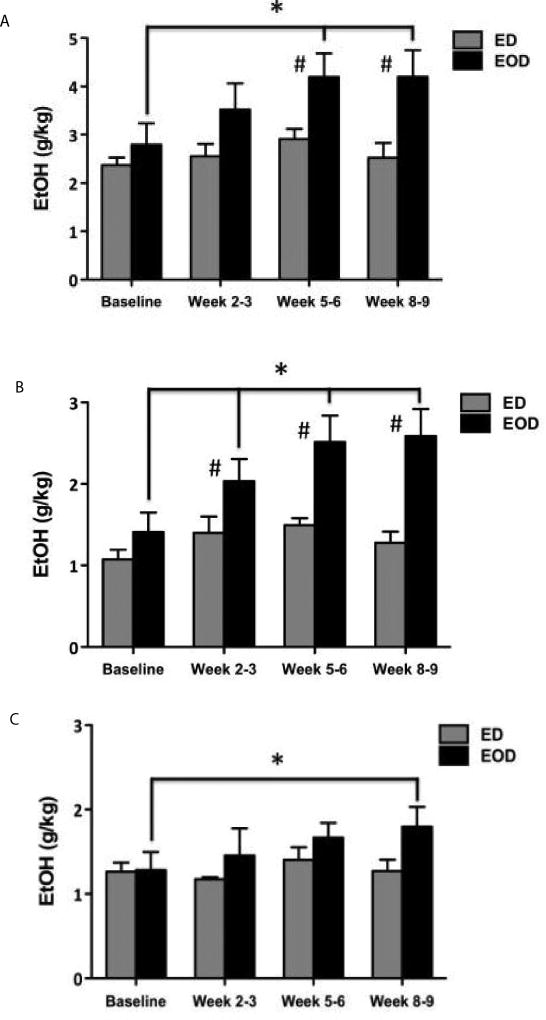
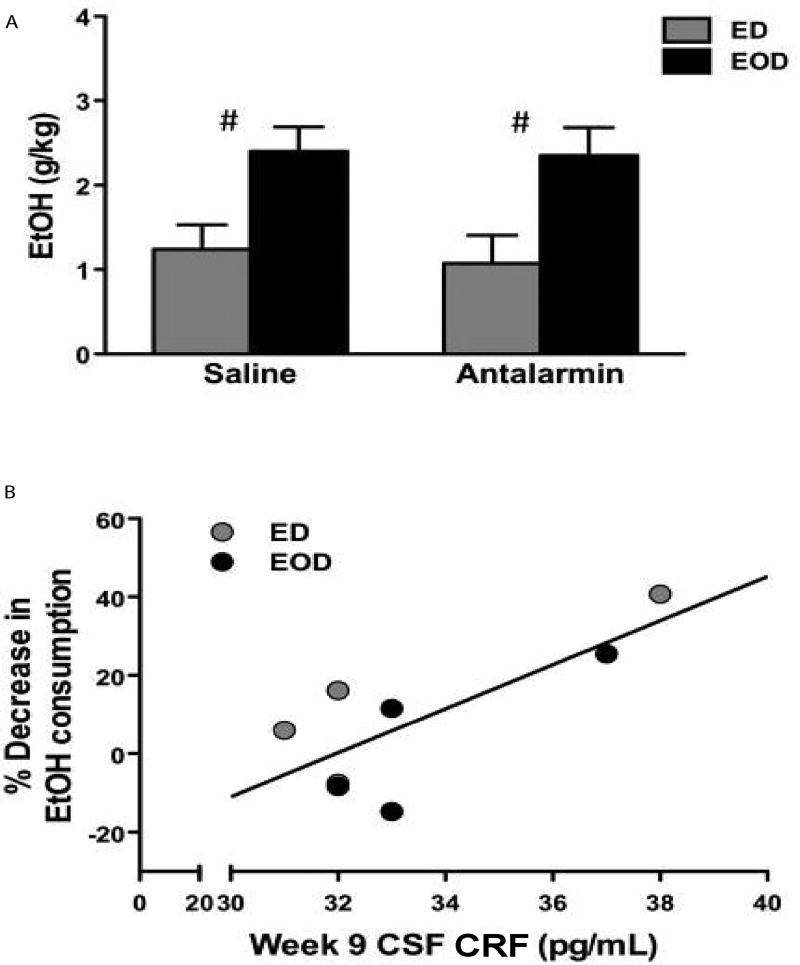
EOD increased alcohol intake by up to 50% over baseline, with a more pronounced increase immediately following reintroduction of alcohol. For the morning/daytime sessions, EOD subjects increased their consumption by 83% over baseline. Differences between ED and EOD schedules emerged quickly, and EOD-induced escalation resulted in pharmacologically active BAC's. EOD-induced alcohol consumption was insensitive to CRFR1 blockade by antalarmin, but subjects with high CSF levels of CRF were more responsive.
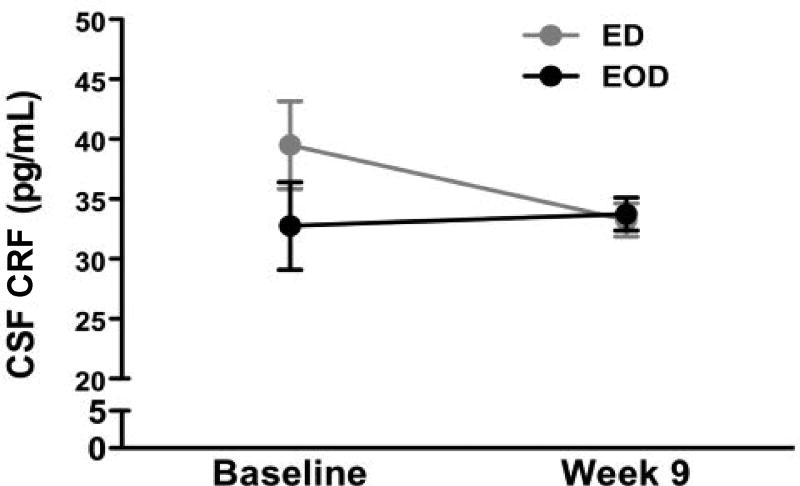
Similar to what has been observed in rodents, intermittent access results in an escalation of voluntary alcohol drinking in non-human primates. In contrast to findings in rats, recruitment of the CRF system does not seem to be involved in the escalated alcohol drinking observed under these conditions, though individual differences in CRF system activity may play a role.
自愿饮酒量的增加是酒精成瘾的特征,并且可以通过让啮齿动物间歇性接触酒精来诱导。该模型已被用于评估候选治疗方法,但参与向酒精成瘾转变的关键系统,如促肾上腺皮质激素释放因子(CRF),在啮齿动物和灵长类动物之间的组织方式有所不同。我们研究了间歇性接触方案诱导非人类灵长类动物自愿饮酒量增加的能力,并使用该模型评估促肾上腺皮质激素释放激素(CRF)信号在此过程中的作用。
四只年轻成年雄性恒河猴每隔一个工作日(EOD;周一、周三、周五)可以接触8.4%的酒精溶液,而另外四只年轻成年雄性恒河猴每天(ED;周一至周五)都能接触相同的溶液。然后给这些实验对象注射CRF1拮抗剂安他拉明。
与基线相比,EOD方案使酒精摄入量增加了50%,在重新引入酒精后立即有更明显的增加。对于上午/白天的实验时段,采用EOD方案的实验对象的酒精消耗量比基线增加了83%。ED和EOD方案之间的差异很快就显现出来,EOD诱导的饮酒量增加导致了具有药理活性的血液酒精浓度(BAC)。EOD诱导的酒精消耗对安他拉明阻断CRFR1不敏感,但脑脊液中CRF水平高的实验对象反应更强。
与在啮齿动物中观察到的情况类似,间歇性接触会导致非人类灵长类动物自愿饮酒量增加。与大鼠的研究结果相反,在这些条件下观察到的饮酒量增加似乎与CRF系统的激活无关,尽管CRF系统活性的个体差异可能起作用。