El-Tookhy Omar S, Shamaa Ashraf A, Shehab Gehan G, Abdallah Ahmed N, Azzam Omnia M
Department of Surgery, Anesthesiology and Radiology, Faculty of Veterinary Medicine, Cairo University, Cairo.
Department of Pathology, Animal Health Research Institute, Ministry of Agriculture, Cairo.
Int J Stem Cells. 2017 Nov 30;10(2):144-153. doi: 10.15283/ijsc17043.
The present study investigated whether MSCs derived microvesicles (MVs) or (Exosomes) can exert therapeutic effects on an experimental model of cutaneous injury and explored the underlying involving mechanisms.
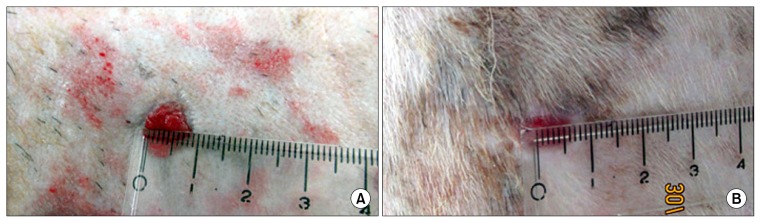
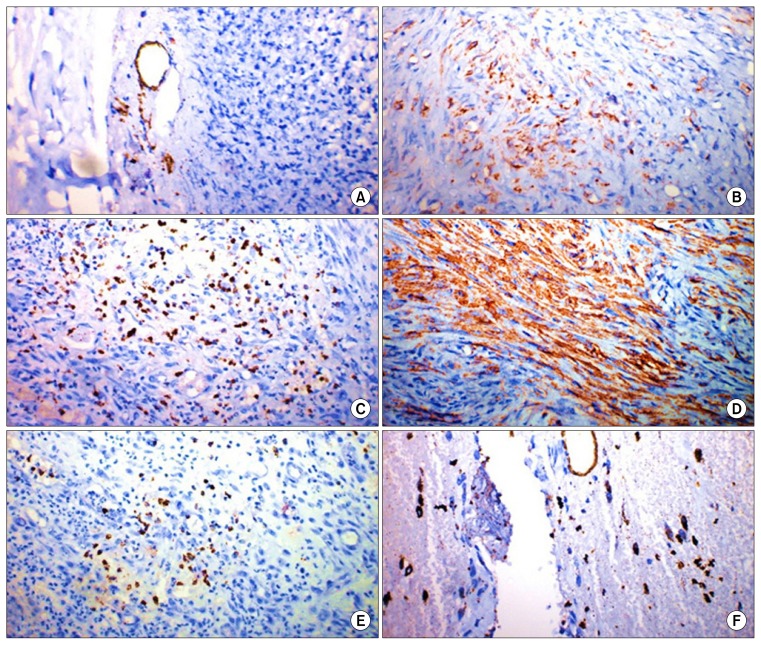
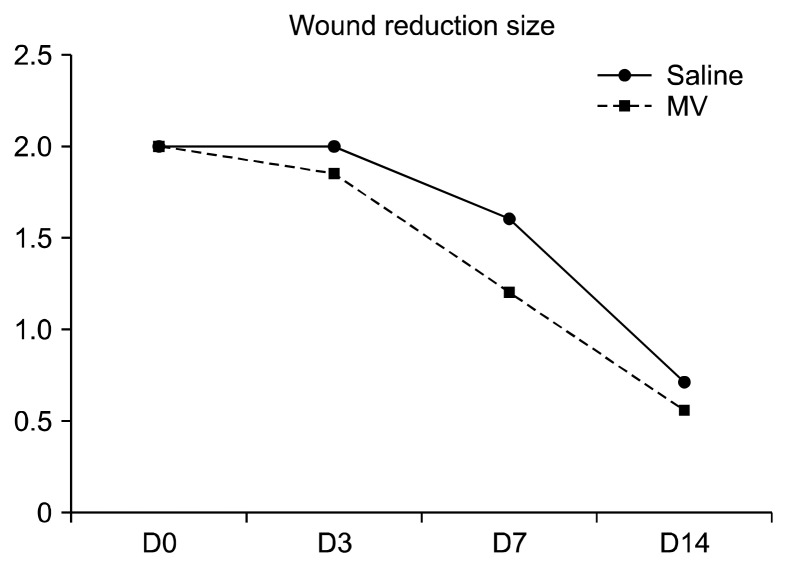
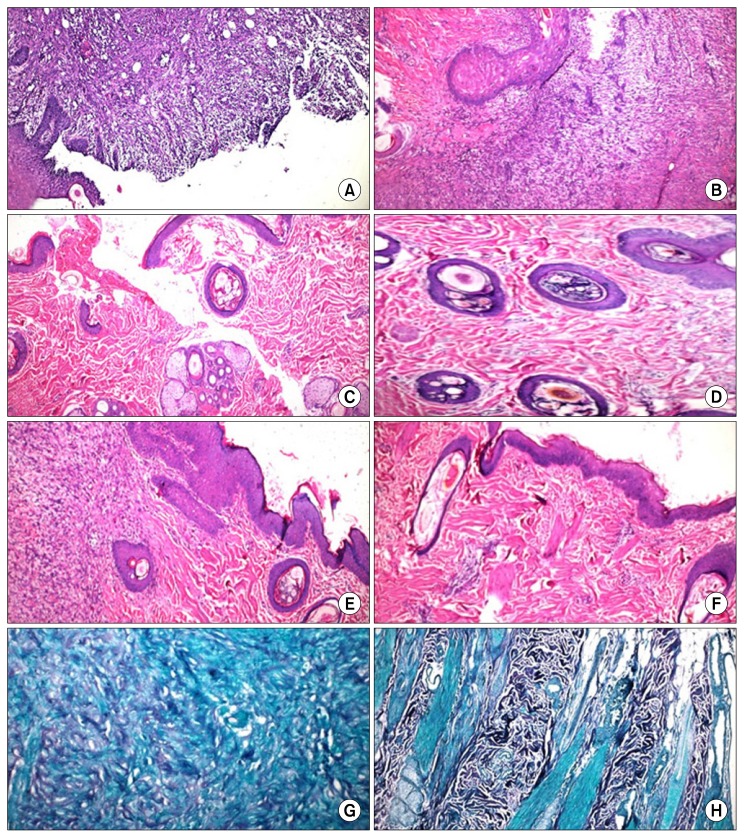
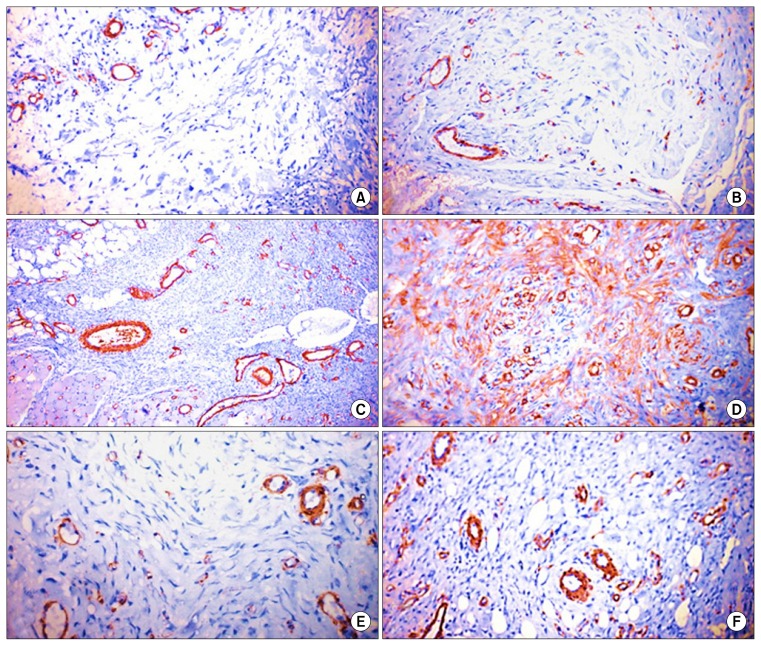
Three bilateral full thickness circular wounds were created on the back of two groups of dogs using 2-cm dermal punch. The wounds were at least 2.5 cm apart. Saline was subcutaneously injected in 4 places around each wound area in group-I (control), whereas an equal volume of exosomal solution of MSCs derived MVs was similarly injected in group-II. The findings demonstrated that MSCs derived MVs had significantly promoted cutaneous wound healing, collagen synthesis, and vascularization at wound sites. The application of the exosomal solution had not only promoted the generation of newly formed vessels, but also have accelerated their development and maturation leading to a faster healing process.
MSC-Exosomes appeared to be a superior candidate for treating cutaneous wounds than their originator cells, and may represent a promising opportunity to develop a novel cell-free therapy approach that might overcome the obstacles and risks associated with the use of native or engineered stem cells transplantation therapy.
本研究调查了间充质干细胞衍生的微泡(MVs)或外泌体是否能对皮肤损伤实验模型产生治疗作用,并探讨其潜在的相关机制。
使用2厘米的皮肤打孔器在两组犬的背部制造三个双侧全层圆形伤口。伤口间距至少2.5厘米。在第一组(对照组)的每个伤口区域周围的4个部位皮下注射生理盐水,而在第二组中同样在每个伤口区域周围的4个部位皮下注射等量的间充质干细胞衍生微泡的外泌体溶液。结果表明,间充质干细胞衍生的微泡显著促进了皮肤伤口愈合、胶原蛋白合成以及伤口部位的血管生成。外泌体溶液的应用不仅促进了新形成血管的生成,还加速了它们的发育和成熟,从而导致愈合过程更快。
间充质干细胞外泌体似乎比其来源细胞更适合作为治疗皮肤伤口的候选物,并且可能代表了一个开发新型无细胞治疗方法的有前景的机会,该方法可能克服与使用天然或工程化干细胞移植治疗相关的障碍和风险。