Li He-Ping, Chen Pei-Ge, Liu Fu-Tao, Zhu He-Shui, Jiao Xian-Qin, Zhong Kai, Guo Yu-Jie, Zha Guang-Ming, Han Li-Qiang, Lu Wei-Fei, Wang Yue-Ying, Yang Guo-Yu
Key Laboratory of Animal Biochemistry and Nutrition, Ministry of Agriculture, Henan Agricultural University, Zhengzhou, Henan, China.
Oncotarget. 2017 Aug 27;8(43):73579-73589. doi: 10.18632/oncotarget.20568. eCollection 2017 Sep 26.
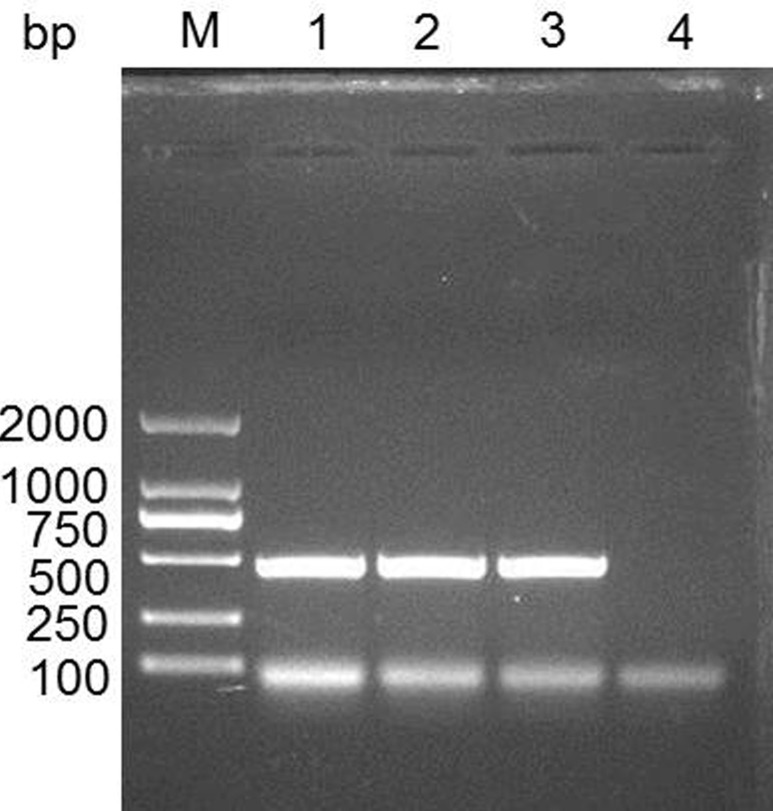
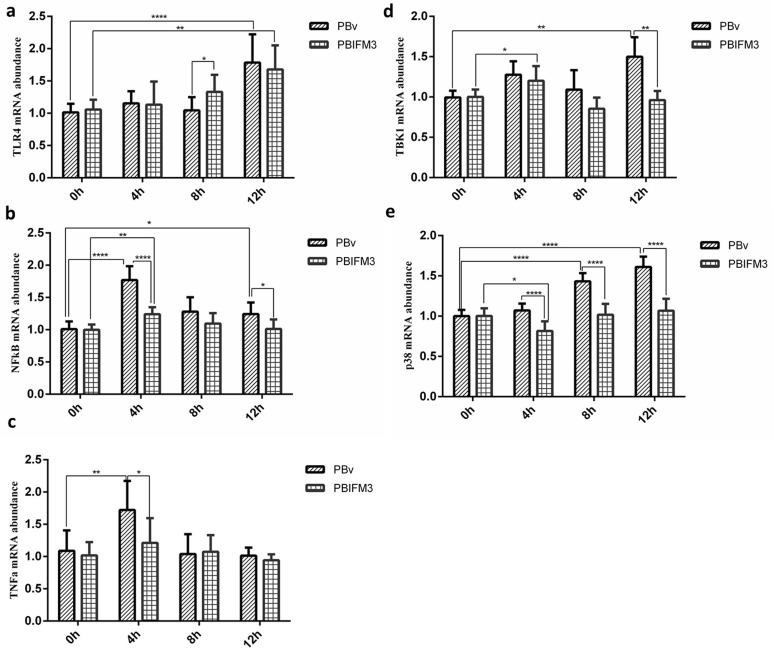
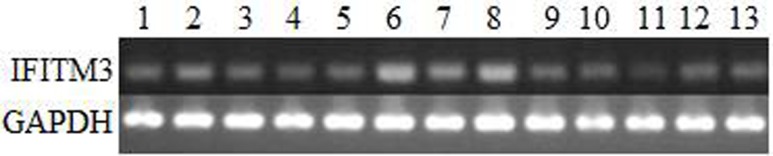
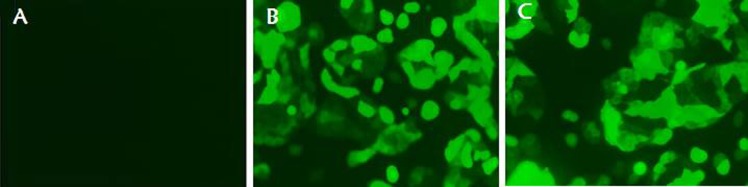
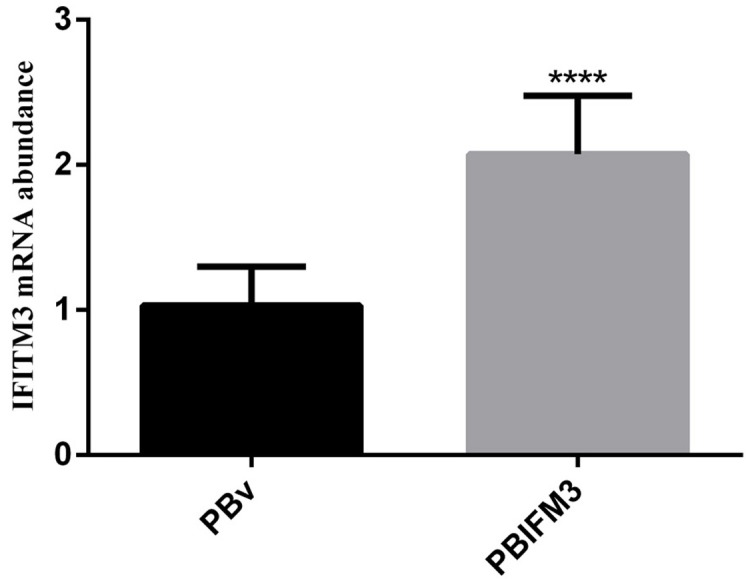
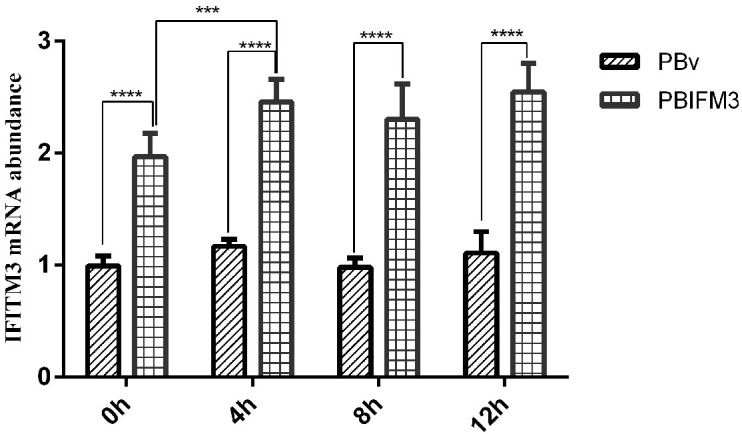
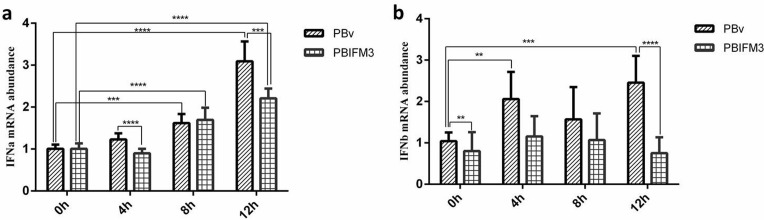
IFITM3 is involved in cell adhesion, apoptosis, immune, and antivirus activity. Furthermore, IFITM3 gene has been considered as a preferential marker for inflammatory diseases, and positive correlation to pathological grades. Therefore, we assumed that IFITM3 was regulated by different signal pathways. To better understand IFITM3 function in inflammatory response, we cloned swine IFITM3 gene, and detected IFITM3 distribution in tissues, as well as characterized this gene. Results indicated that the length of swine IFITM3 gene was 438 bp, encoding 145 amino acids. IFITM3 gene expression abundance was higher in spleen and lungs. Moreover, we next constructed the eukaryotic expression vector PBIFM3 and transfected into PK15 cells, finally obtained swine IFITM3 gene stable expression cell line. Meanwhile, we explored the effects of LPS on swine IFITM3 expression. Results showed that LPS increased IFITM3 mRNA abundance and exhibited time-dependent effect for LPS treatment. To further demonstrate the mechanism that IFITM3 regulated type I IFNs production, we also detected the important molecules expression of TLR4 signaling pathway. In transfected and non-transfected IFITM3 PK15 cells, LPS exacerbated the relative expression of TLR4-NFκB signaling molecules. However, the IFITM3 overexpression suppressed the inflammatory development of PK15 cells. In conclusion, these data indicated that the overexpression of swine IFITM3 could decrease the inflammatory response through TLR4 signaling pathway, and participate in type I interferon production. These findings may lead to an improved understanding of the biological function of IFITM3 in inflammation.
干扰素诱导跨膜蛋白3(IFITM3)参与细胞黏附、凋亡、免疫及抗病毒活性。此外,IFITM3基因被认为是炎症性疾病的一个优先标志物,且与病理分级呈正相关。因此,我们推测IFITM3受不同信号通路调控。为了更好地理解IFITM3在炎症反应中的功能,我们克隆了猪IFITM3基因,检测了IFITM3在组织中的分布,并对该基因进行了表征。结果表明,猪IFITM3基因长度为438 bp,编码145个氨基酸。IFITM3基因在脾脏和肺中的表达丰度较高。此外,我们构建了真核表达载体PBIFM3并转染至PK15细胞,最终获得了猪IFITM3基因稳定表达细胞系。同时,我们探究了脂多糖(LPS)对猪IFITM3表达的影响。结果显示,LPS增加了IFITM3 mRNA丰度,且对LPS处理呈现时间依赖性效应。为了进一步阐明IFITM3调控I型干扰素产生的机制,我们还检测了Toll样受体4(TLR4)信号通路的重要分子表达。在转染和未转染IFITM3的PK15细胞中,LPS加剧了TLR4-核因子κB(NFκB)信号分子的相对表达。然而,IFITM3过表达抑制了PK15细胞的炎症发展。总之,这些数据表明,猪IFITM3的过表达可通过TLR4信号通路降低炎症反应,并参与I型干扰素的产生。这些发现可能有助于更好地理解IFITM3在炎症中的生物学功能。