Huang Wei, Mehta Devina, Sif Said, Kent Lindsey N, Jacob Samson T, Ghoshal Kalpana, Mehta Kamal D
Department of Biological Chemistry and Pharmacology, Dorothy M. Davis Heart and Lung Research Institute, The Ohio State University College of Medicine, Columbus, Ohio, USA.
Department of Medicine, University of Cincinnati College of Medicine, Cincinnati, Ohio, USA.
Oncotarget. 2017 May 15;8(43):73757-73765. doi: 10.18632/oncotarget.17890. eCollection 2017 Sep 26.
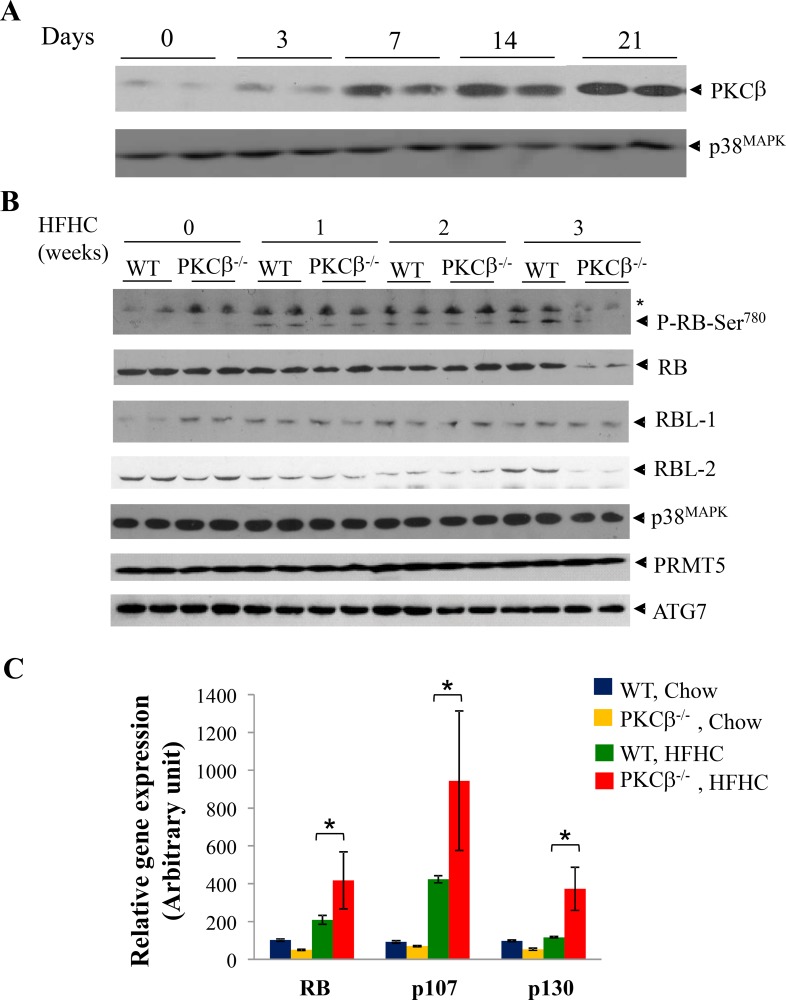
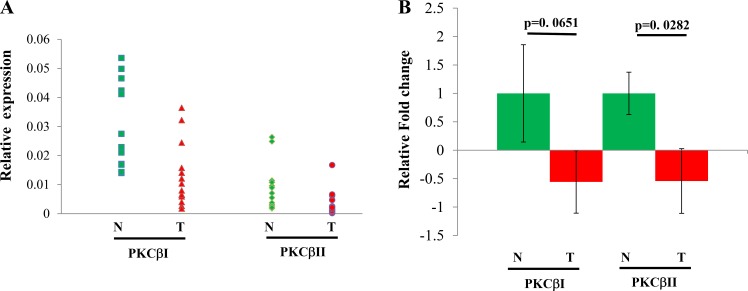
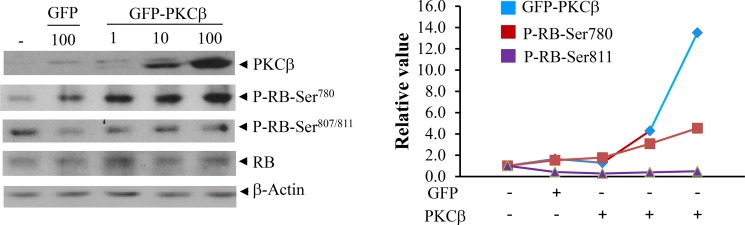
Hepatocellular carcinoma (HCC) is a frequent form of cancer with a poor prognosis, and environmental factors significantly contribute to the risk. Despite knowledge that a Western-style diet is a risk factor in the development of nonalcoholic steatohepatitis (NASH) and subsequent progression to HCC, diet-induced signaling changes are not well understood. Understanding molecular mechanisms altered by diet is crucial for developing preventive and therapeutic strategies. We have previously shown that diets enriched with high-fat and high-cholesterol, shown to produce NASH and HCC, induce hepatic protein kinase C beta (PKCβ) expression in mice, and a systemic loss of PKCβ promotes hepatic cholesterol accumulation in response to this diet. Here, we sought to determine how PKCβ and diet functionally interact during the pathogenesis of NASH and how it may promote hepatic carcinogenesis. We found that diet-induced hepatic PKCβ expression is accompanied by an increase in phosphorylation of Ser780 of retinoblastoma (RB) protein. Intriguingly, PKCβ livers exhibited reduced protein levels despite increased transcription of the RB gene. It is also accompanied by reduced RBL-1 with no significant effect on RBL-2 protein levels. We also found reduced expression of the PKCβ in HCC compared to non-tumorous liver in human patients. These results raise an interesting possibility that diet-induced PKCβ activation represents an important mediator in the functional wiring of cholesterol metabolism and tumorigenesis through modulating stability of cell cycle-associated proteins. The potential role of PKCβ in the suppression of tumorigenesis is discussed.
肝细胞癌(HCC)是一种常见的癌症形式,预后较差,环境因素在其发病风险中起重要作用。尽管已知西式饮食是非酒精性脂肪性肝炎(NASH)发生及随后进展为HCC的危险因素,但饮食诱导的信号变化尚不清楚。了解饮食改变的分子机制对于制定预防和治疗策略至关重要。我们之前已经表明,富含高脂肪和高胆固醇的饮食会导致NASH和HCC,可诱导小鼠肝脏蛋白激酶Cβ(PKCβ)表达,而PKCβ的全身缺失会促进肝脏对这种饮食的胆固醇积累。在此,我们试图确定PKCβ与饮食在NASH发病机制中如何发生功能相互作用,以及它如何促进肝癌发生过程。我们发现饮食诱导的肝脏PKCβ表达伴随着视网膜母细胞瘤(RB)蛋白Ser780磷酸化增加。有趣的是,尽管RB基因转录增加,但PKCβ肝脏中RB蛋白水平却降低。同时,RBL-1表达降低,而对RBL-2蛋白水平无显著影响。我们还发现,与人类患者的非肿瘤肝脏相比,HCC中PKCβ表达降低。这些结果提出了一种有趣的可能性,即饮食诱导的PKCβ激活可能是通过调节细胞周期相关蛋白的稳定性,在胆固醇代谢和肿瘤发生的功能联系中发挥重要的介导作用。本文还讨论了PKCβ在抑制肿瘤发生中的潜在作用。