Fang Mingchu, Jiang Huai, Ye Lixia, Cai Chenchen, Hu Yingying, Pan Shulin, Li Peijun, Xiao Jian, Lin Zhenlang
Department of Neonatology, The Second Affiliated Hospital and Yuying Children's Hospital, Wenzhou Medical University, Wenzhou, Zhejiang 325027, China.
Center for Neuroscience Research, Children's National Health System, Washington, DC 20010, United States.
Oncotarget. 2017 Sep 8;8(43):75308-75325. doi: 10.18632/oncotarget.20779. eCollection 2017 Sep 26.
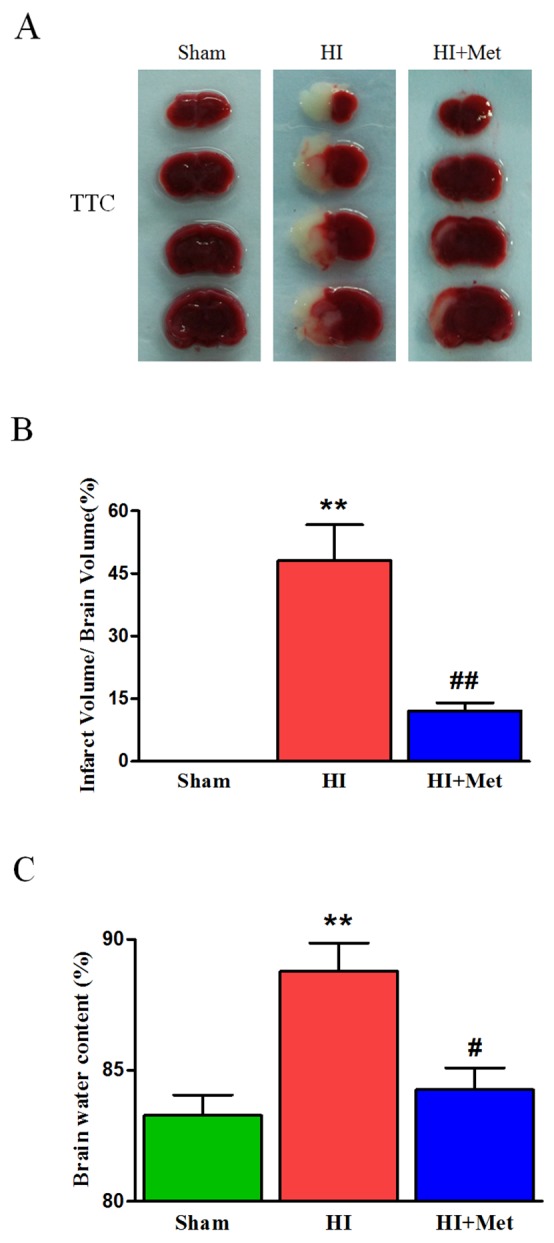
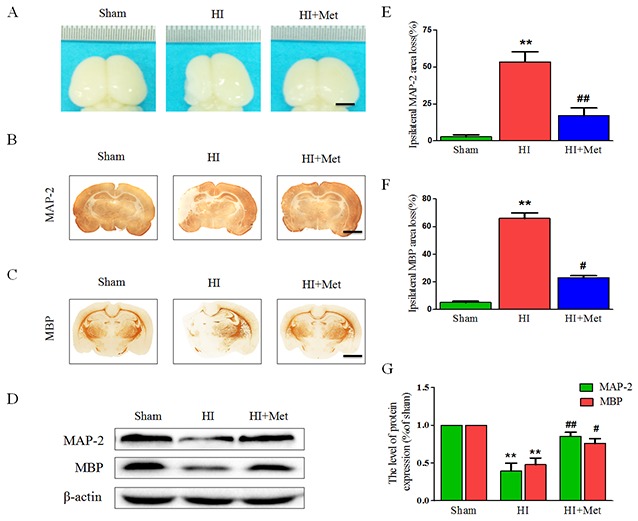
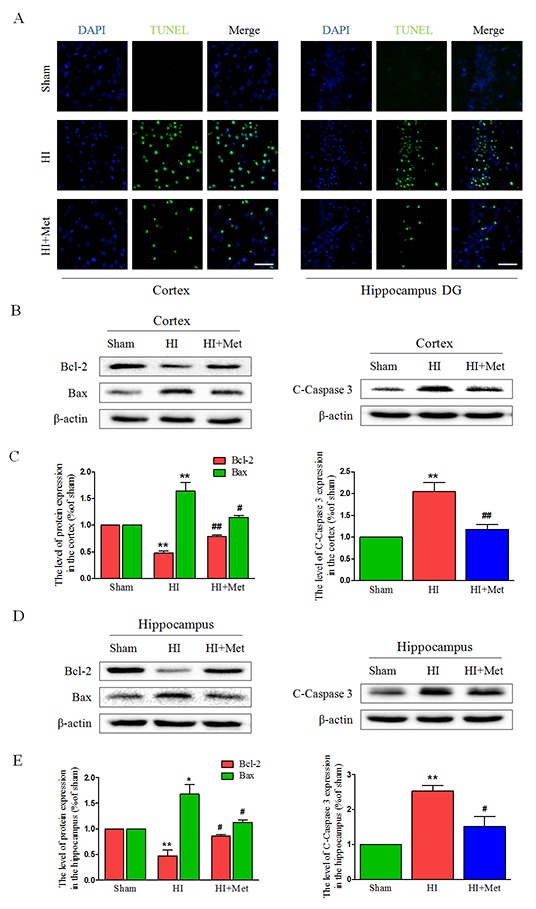
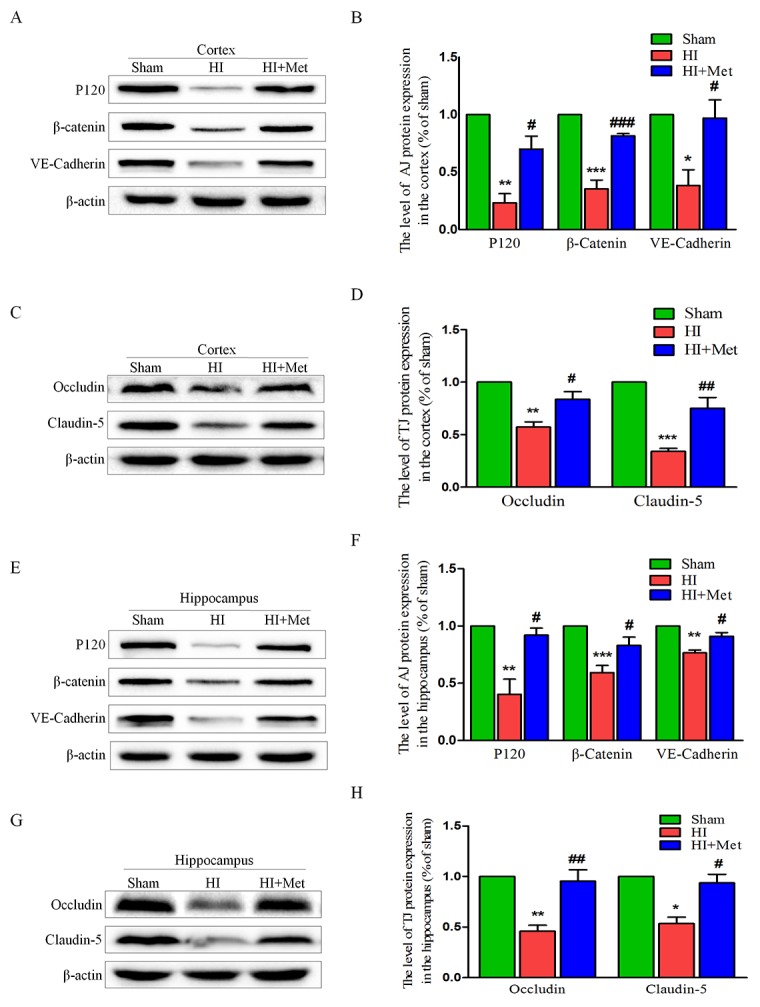
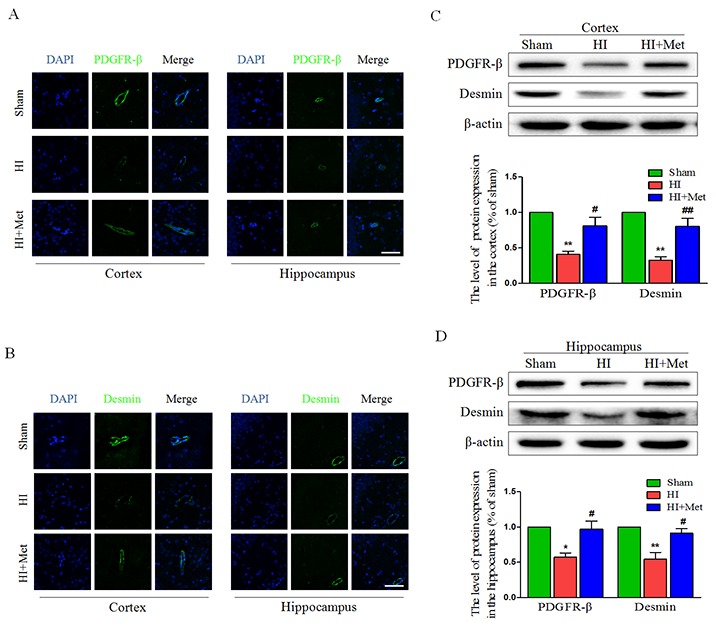
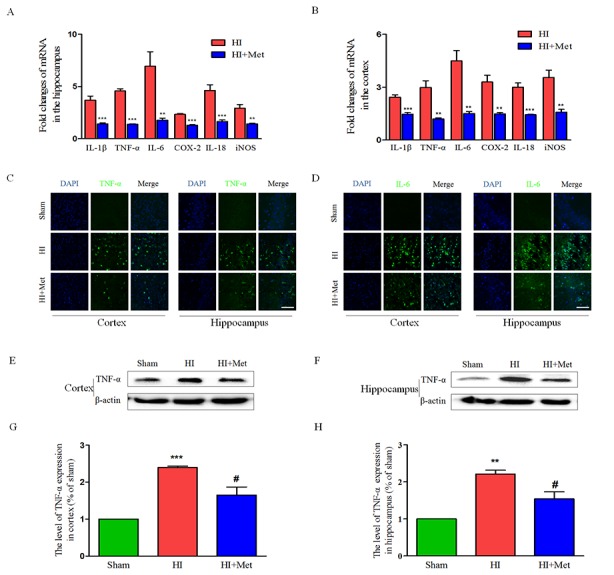
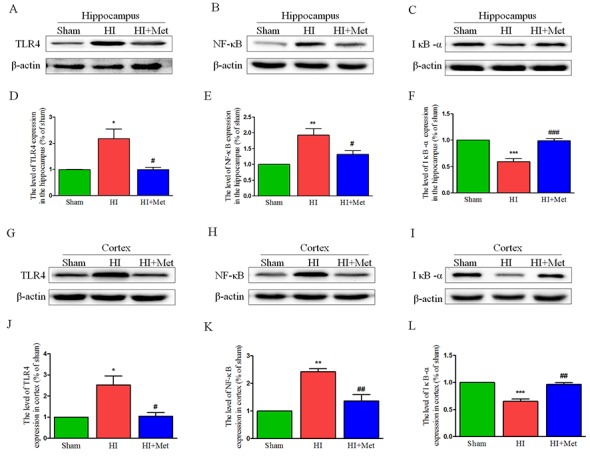
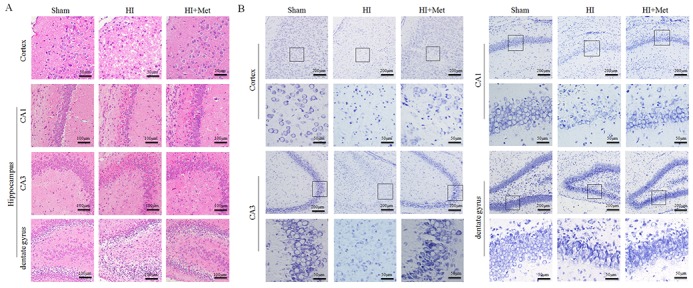
Neonatal hypoxic-ischemic (HI) brain injury is a devastating disease that often leads to death and detrimental neurological deficits. The present study was designed to evaluate the ability of metformin to provide neuroprotection in a model of neonatal hypoxic-ischemic brain injury and to study the associated molecular mechanisms behind these protective effects. Here, we found that metformin treatment remarkably attenuated brain infarct volumes and brain edema at 24 h after HI injury, and the neuroprotection of metformin was associated with inhibition of neuronal apoptosis, suppression of the neuroinflammation and amelioration of the blood brain barrier breakdown. Additionally, metformin treatment conferred long-term protective against brain damage at 7 d after HI injury. Our study indicates that metformin treatment protects against neonatal hypoxic-ischemic brain injury and thus has potential as a therapy for this disease.
新生儿缺氧缺血性脑损伤是一种毁灭性疾病,常导致死亡和严重的神经功能缺损。本研究旨在评估二甲双胍在新生儿缺氧缺血性脑损伤模型中提供神经保护的能力,并研究这些保护作用背后的相关分子机制。在此,我们发现二甲双胍治疗在缺氧缺血性损伤后24小时显著减轻脑梗死体积和脑水肿,且二甲双胍的神经保护作用与抑制神经元凋亡、抑制神经炎症以及改善血脑屏障破坏有关。此外,二甲双胍治疗在缺氧缺血性损伤后7天对脑损伤具有长期保护作用。我们的研究表明,二甲双胍治疗可预防新生儿缺氧缺血性脑损伤,因此具有作为该疾病治疗方法的潜力。