Centre de Biologie du Développement, Centre de Biologie Intégrative, Université de Toulouse, CNRS, UPS, Toulouse, France.
Elife. 2017 Nov 1;6:e25496. doi: 10.7554/eLife.25496.
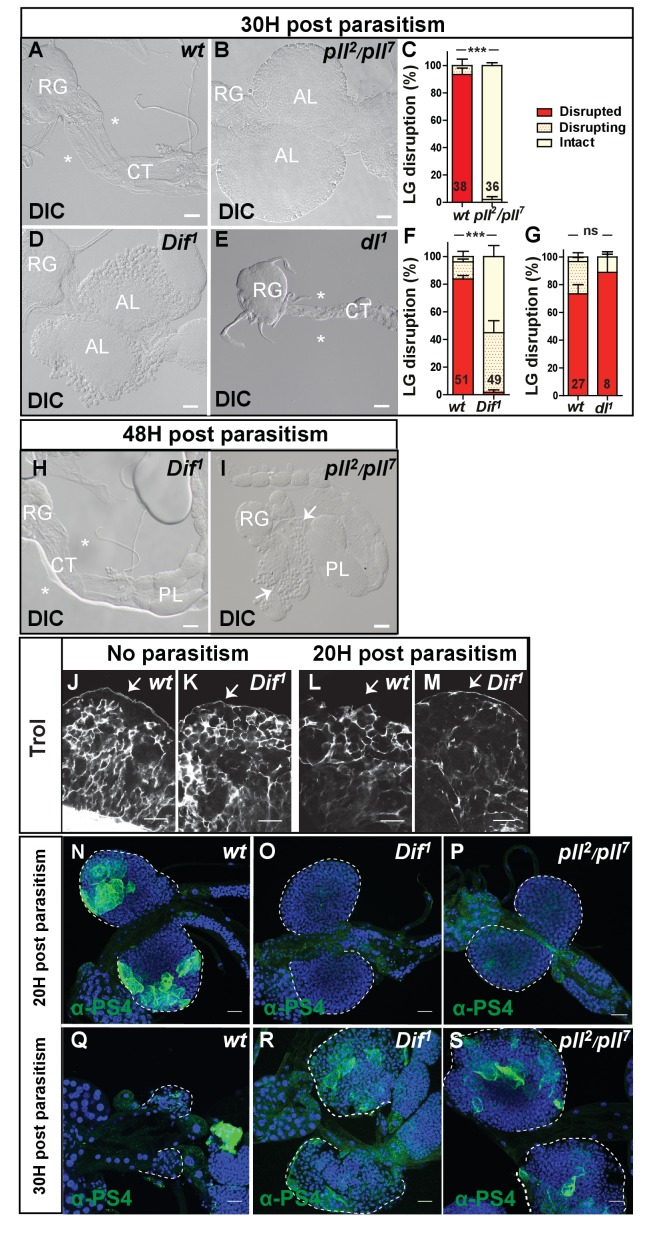
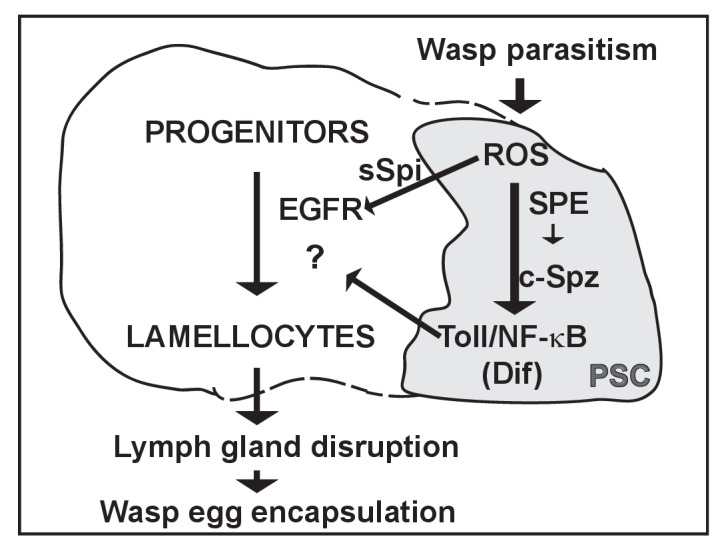
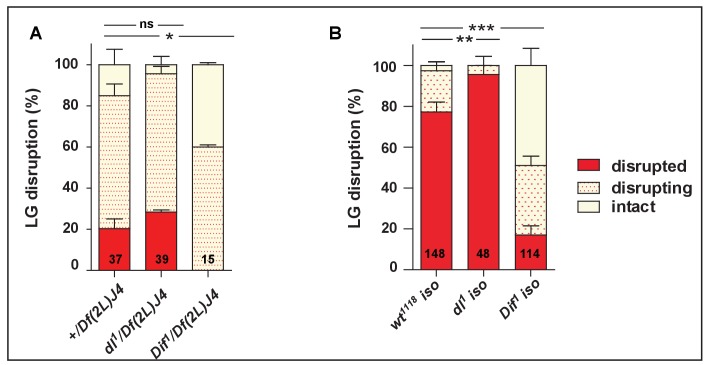
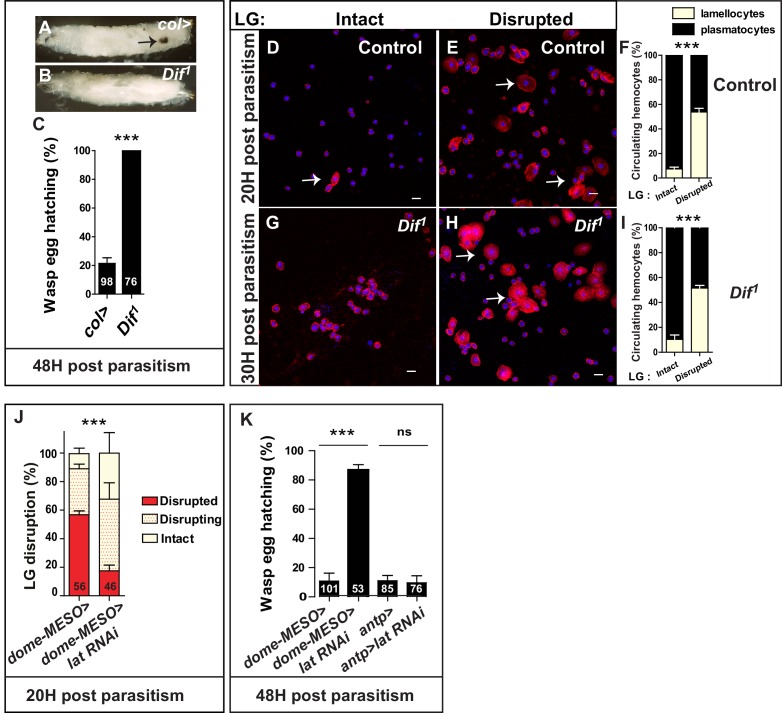
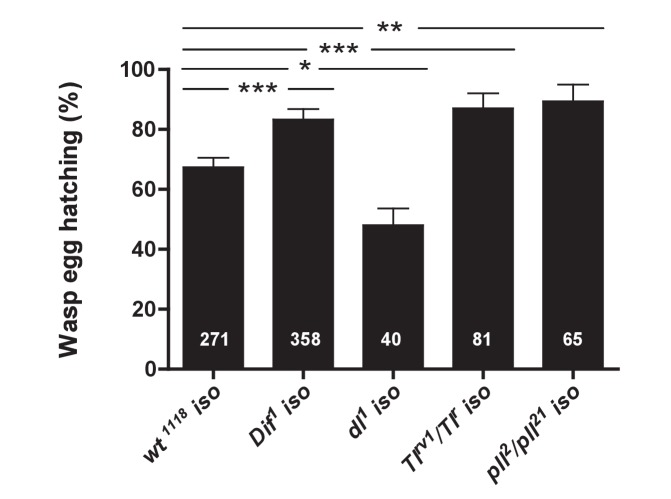
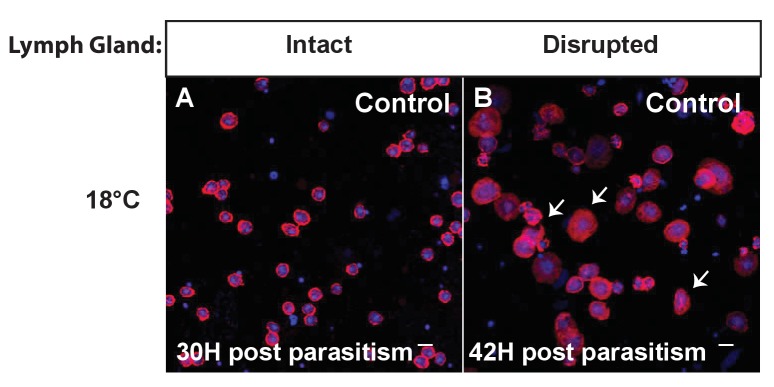
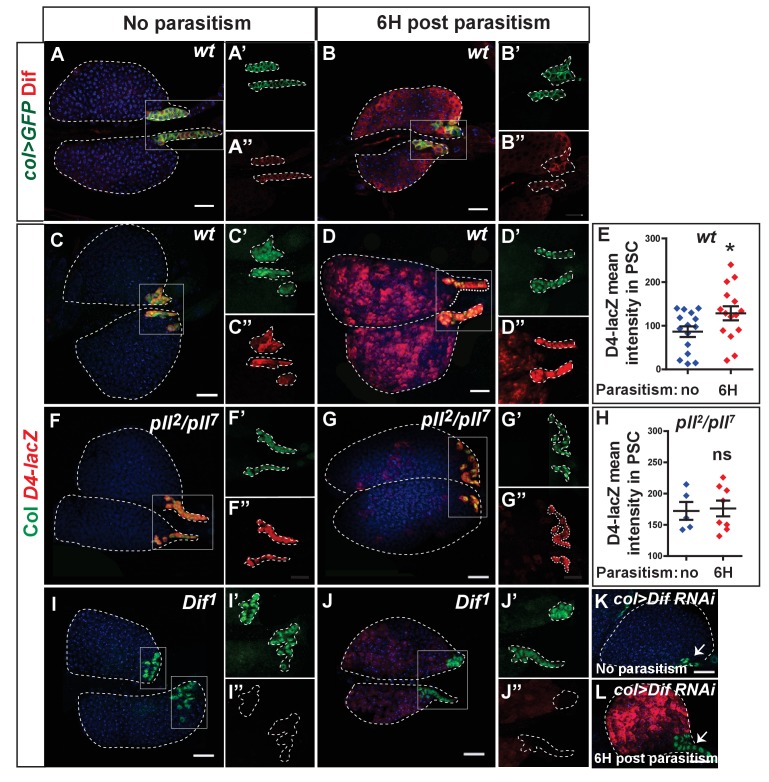
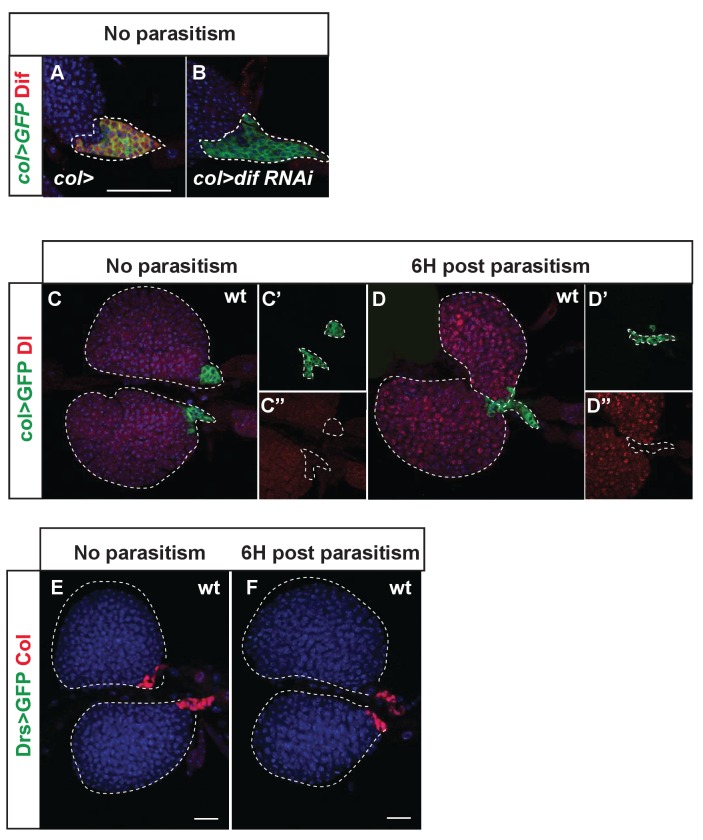
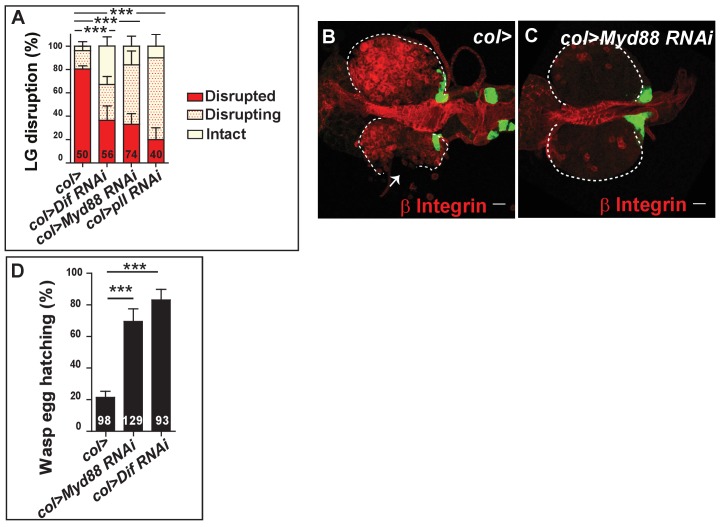
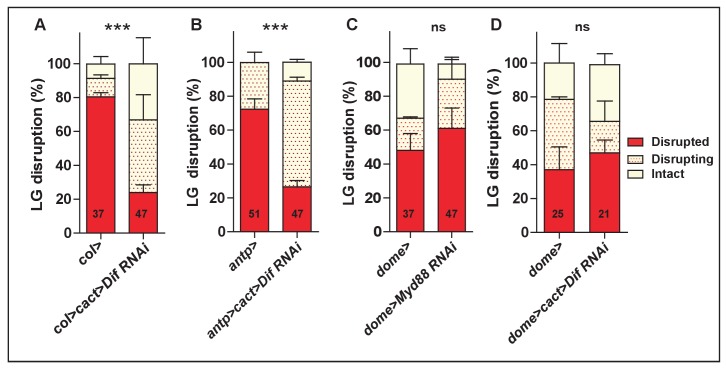
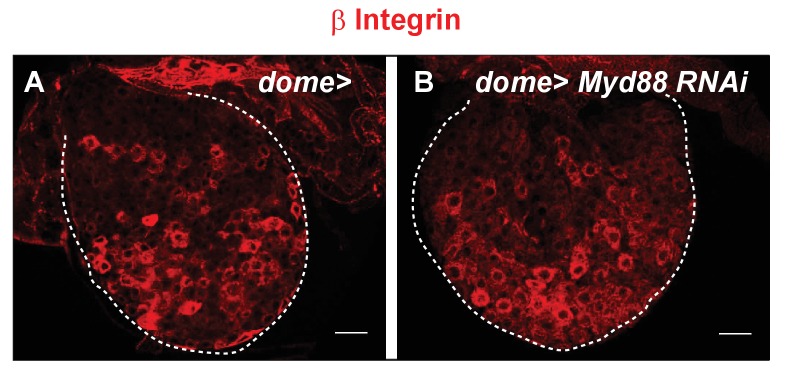
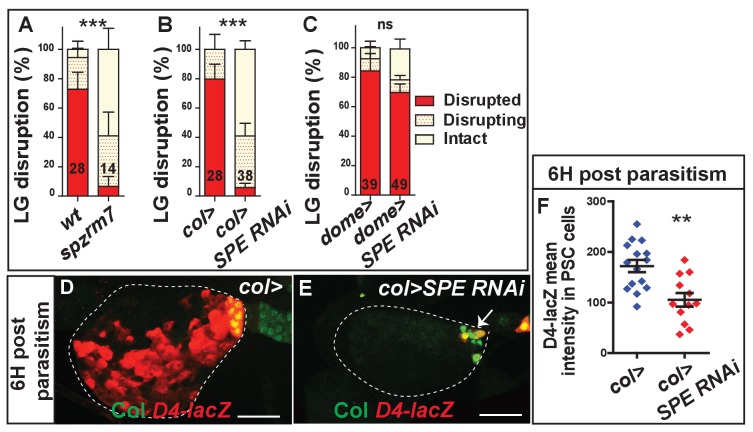
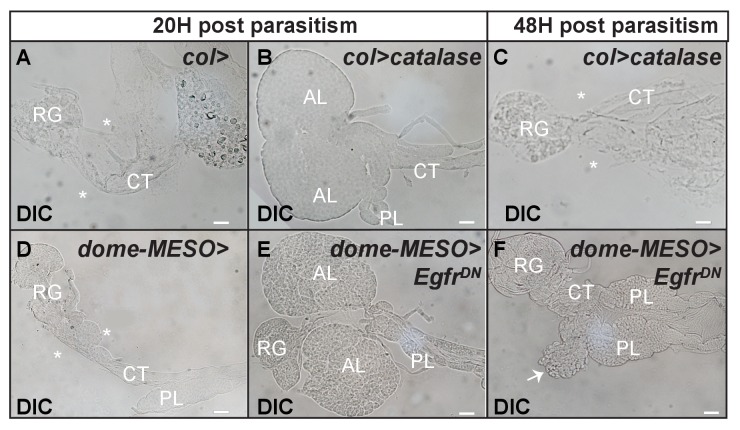
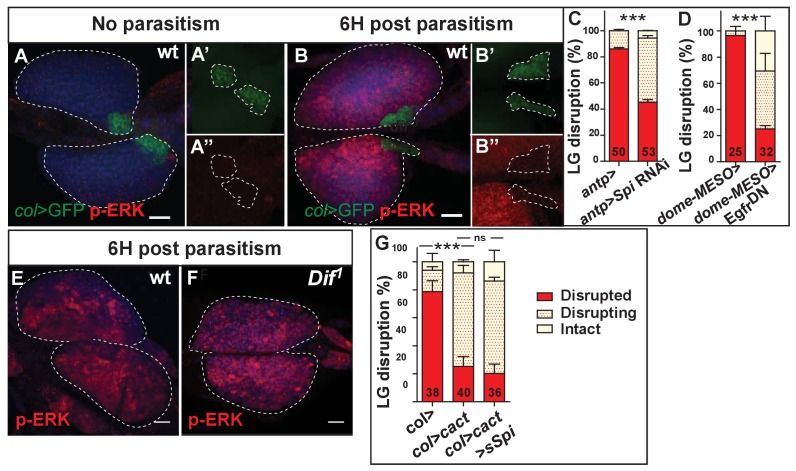
Hematopoietic stem/progenitor cells in the adult mammalian bone marrow ensure blood cell renewal. Their cellular microenvironment, called 'niche', regulates hematopoiesis both under homeostatic and immune stress conditions. In the hematopoietic organ, the lymph gland, the posterior signaling center (PSC) acts as a niche to regulate the hematopoietic response to immune stress such as wasp parasitism. This response relies on the differentiation of lamellocytes, a cryptic cell type, dedicated to pathogen encapsulation and killing. Here, we establish that Toll/NF-κB pathway activation in the PSC in response to wasp parasitism non-cell autonomously induces the lymph gland immune response. Our data further establish a regulatory network where co-activation of Toll/NF-κB and EGFR signaling by ROS levels in the PSC/niche controls lymph gland hematopoiesis under parasitism. Whether a similar regulatory network operates in mammals to control emergency hematopoiesis is an open question.
成体哺乳动物骨髓中的造血干/祖细胞确保血细胞的更新。它们的细胞微环境,称为“龛”,调节造血作用,包括在稳态和免疫应激条件下。在造血器官——淋巴腺中,后部信号中心(PSC)充当龛,调节造血对免疫应激的反应,如黄蜂寄生。这种反应依赖于 lamellocytes 的分化,lamellocytes 是一种隐匿的细胞类型,专门用于病原体的包裹和杀死。在这里,我们确定了 PSC 中 Toll/NF-κB 途径的激活对黄蜂寄生的反应非细胞自主地诱导了淋巴腺的免疫反应。我们的数据进一步建立了一个调控网络,其中 PSC/龛中 ROS 水平对 Toll/NF-κB 和 EGFR 信号的共同激活控制寄生状态下的淋巴腺造血作用。在哺乳动物中是否存在类似的调控网络来控制紧急造血作用是一个悬而未决的问题。