Buhrmann Constanze, Popper Bastian, Aggarwal Bharat B, Shakibaei Mehdi
Musculoskeletal Research Group and Tumour Biology, Chair of Vegetative Anatomy, Institute of Anatomy, Faculty of Medicine, LMU Munich, Pettenkoferstrasse 11, Munich, Germany.
Department of Anatomy and Cell Biology, Biomedical Center, Ludwig-Maximilian-University Munich, Martinsried, Germany.
PLoS One. 2017 Nov 2;12(11):e0186993. doi: 10.1371/journal.pone.0186993. eCollection 2017.
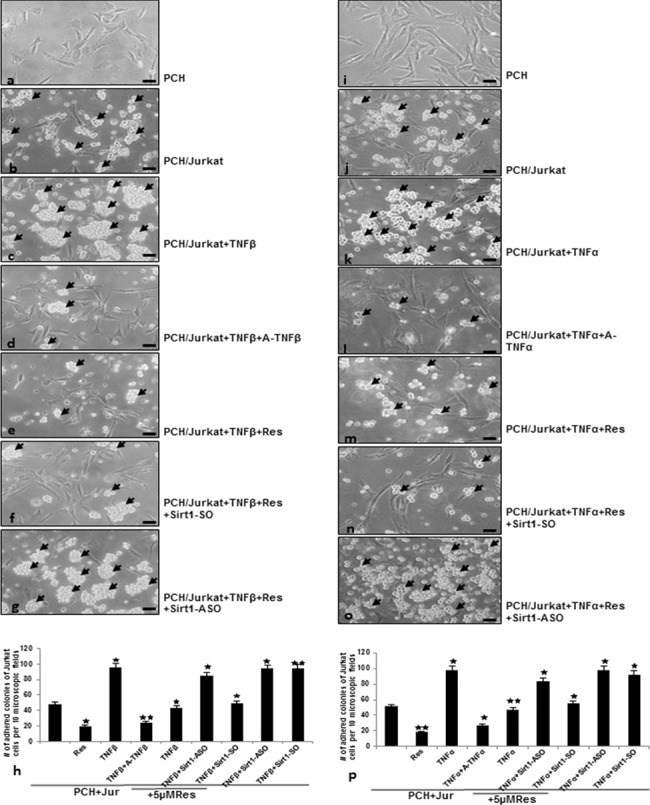
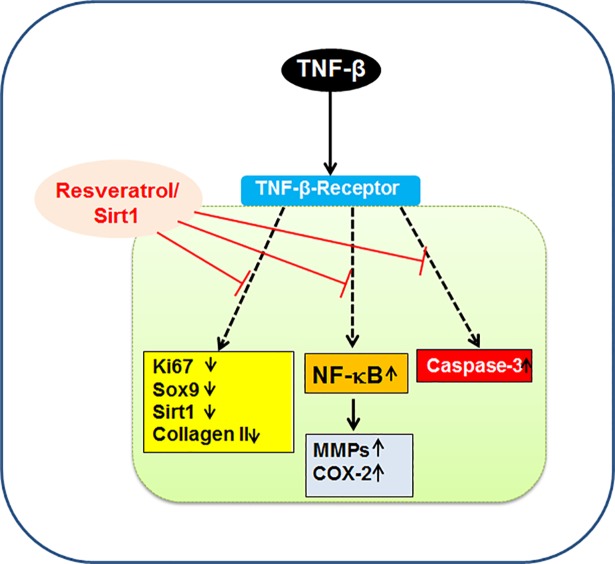
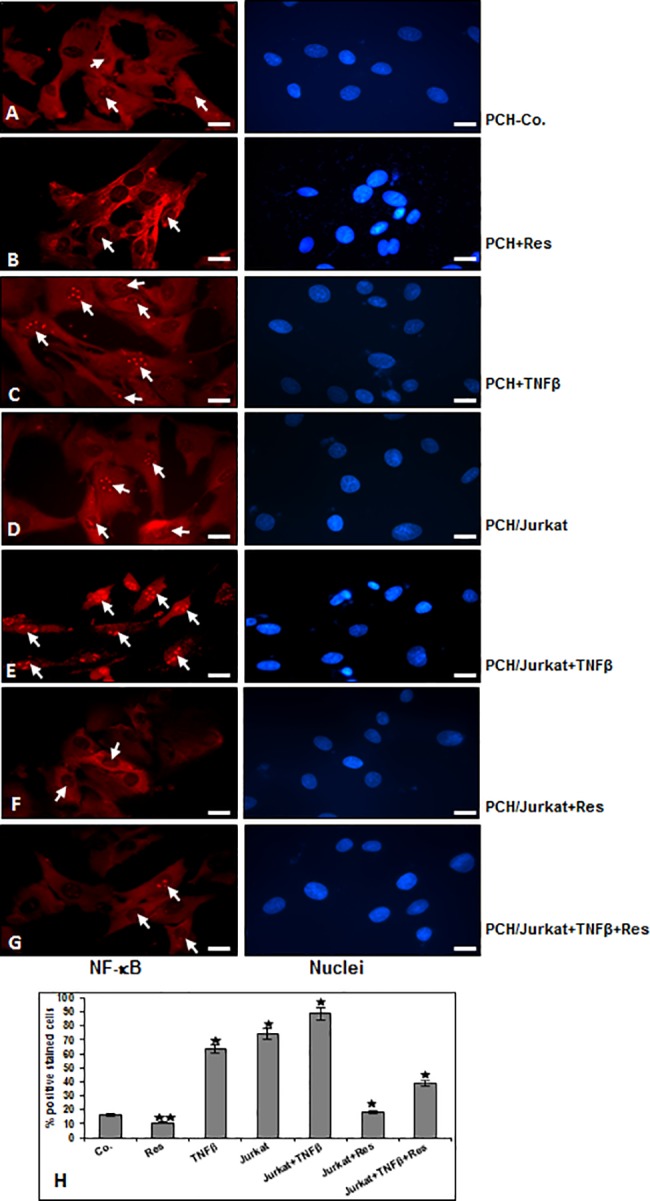
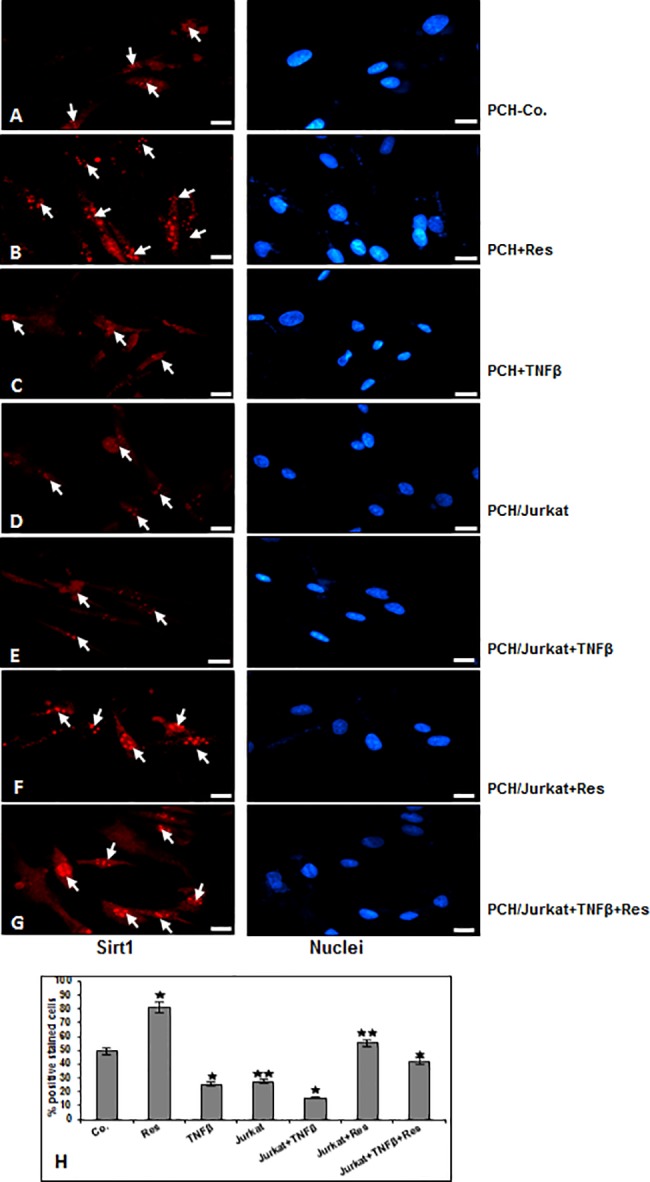
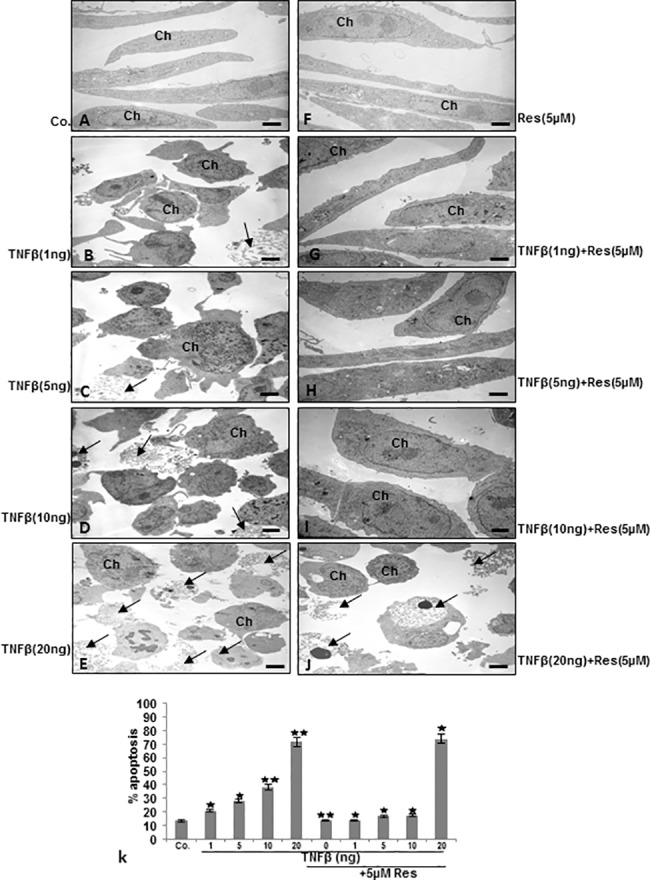
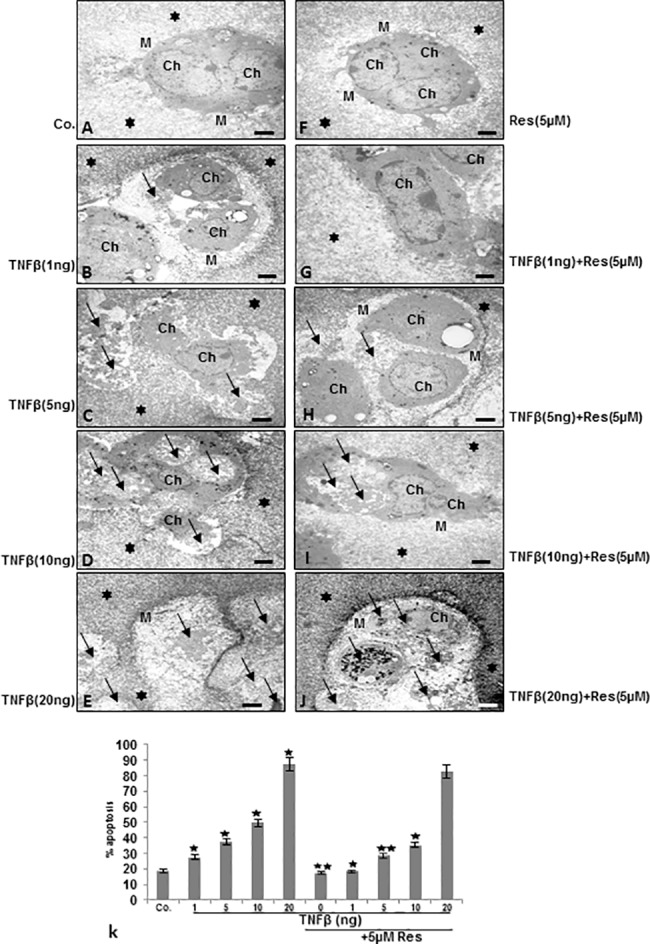
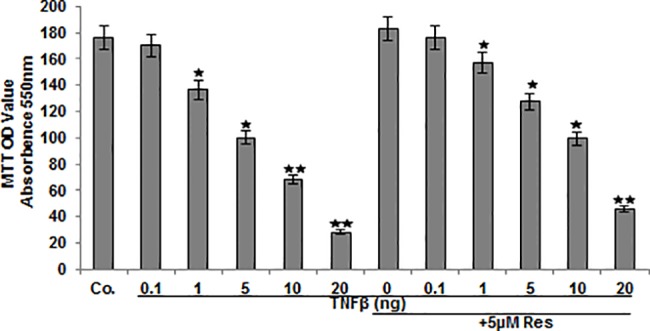
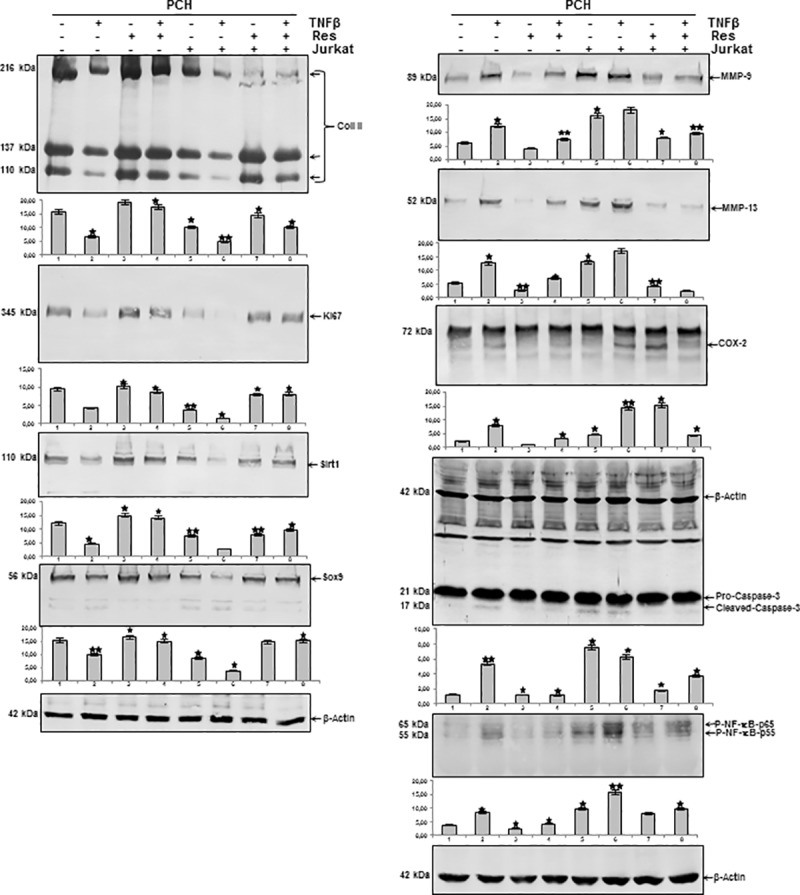
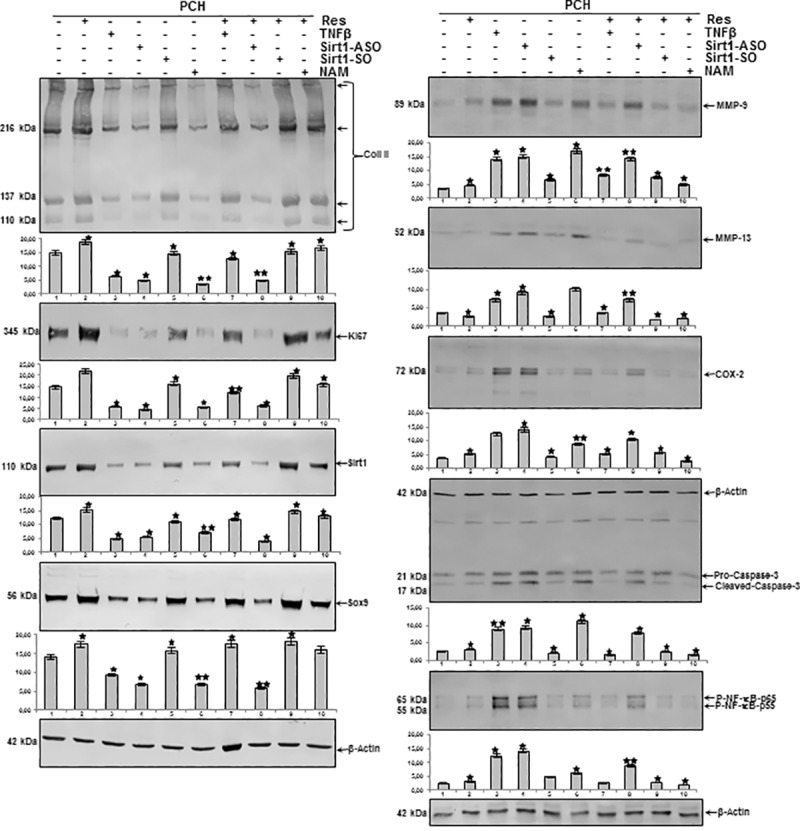
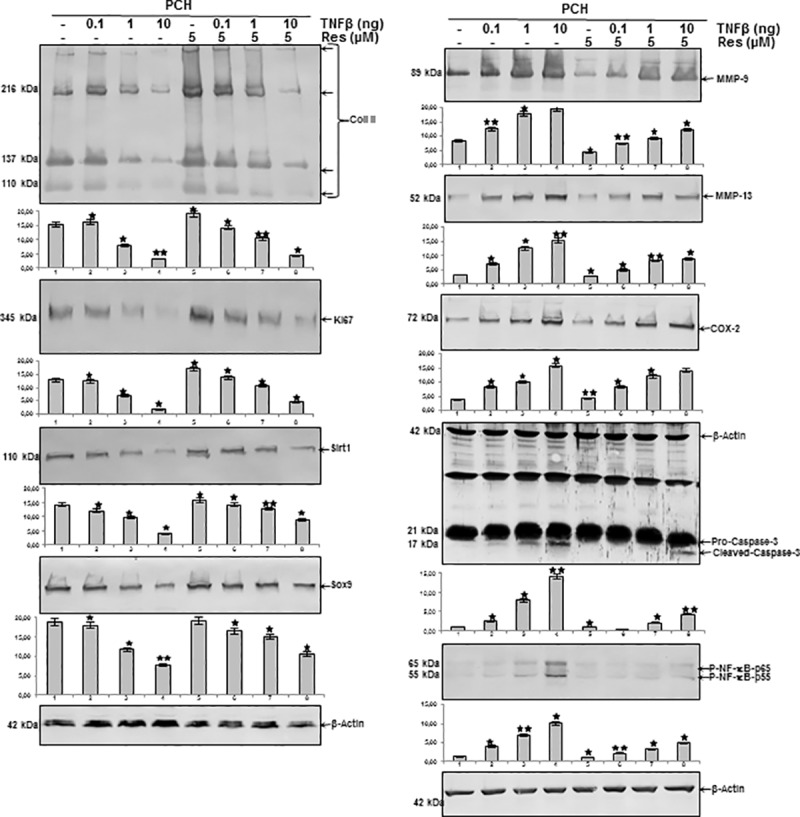
While Lymphotoxin α (TNF-β), a product of lymphocytes, is known to play a pivotal role in inflammatory joint environment, resveratrol has been shown to possess anti-inflammatory and chondroprotective effects via activation of the histondeacetylase Sirt1. Whether TNF-β induction of inflammatory pathways in primary human chondrocytes (PCH) can be modulated by resveratrol, was investigated. Monolayer and alginate cultures of PCH were treated with TNF-β, anti-TNF-β, nicotinamide (NAM), antisense oligonucleotides against Sirt1 (Sirt1-ASO) and/or resveratrol and co-cultured with T-lymphocytes. We found that resveratrol suppressed, similar to anti-TNF-β, TNF-β-induced increased adhesiveness in an inflammatory microenvironment of T-lymphocytes and PCH. In contrast, knockdown of Sirt1 by mRNA abolished the inhibitory effects of resveratrol on the TNF-β-induced adhesiveness, suggesting the essential role of this enzyme for resveratrol-mediated anti-inflammatory signaling. Similar results were obtained in PCH stimulated with TNF-α. Sirt1-ASO, NAM or TNF-β, similar to T-lymphocytes induced inflammatory microenvironment by down-regulation of cartilage-specific proteins, Sox9, Ki67 and enhanced NF-κB-regulated gene products involved in inflammatory and degradative processes in cartilage (MMP-9/-13, COX-2, caspase-3), NF-κB activation and its translocation to the nucleus. Moreover, resveratrol reversed the TNF-β-, NAM-, T-lymphocytes-induced up-regulation of various NF-κB-regulated gene products. Down-regulation of Sirt1 by mRNA interference abrogated the effect of resveratrol on TNF-β-induced effects. Ultrastructural and cell viability assay investigations revealed that resveratrol revoked TNF-β-induced dose-dependent degradative/apoptotic morphological changes, cell viability and proliferation in PCH. Taken together, suppression of TNF-β-induced inflammatory microenvironment in PCH by resveratrol/Sirt1 might be a novel therapeutic approach for targeting inflammation during rheumatoid arthritis.
淋巴细胞产生的淋巴毒素α(TNF-β)在炎症性关节环境中起关键作用,而白藜芦醇已被证明可通过激活组蛋白去乙酰化酶Sirt1发挥抗炎和软骨保护作用。本研究旨在探讨白藜芦醇是否能调节原发性人软骨细胞(PCH)中TNF-β诱导的炎症信号通路。将PCH的单层培养物和藻酸盐培养物用TNF-β、抗TNF-β、烟酰胺(NAM)、针对Sirt1的反义寡核苷酸(Sirt1-ASO)和/或白藜芦醇处理,并与T淋巴细胞共培养。我们发现,白藜芦醇与抗TNF-β类似,可抑制TNF-β诱导的T淋巴细胞和PCH炎症微环境中黏附性增加。相反,通过mRNA敲低Sirt1可消除白藜芦醇对TNF-β诱导黏附性的抑制作用,表明该酶在白藜芦醇介导的抗炎信号传导中起重要作用。在用TNF-α刺激的PCH中也获得了类似结果。Sirt1-ASO、NAM或TNF-β与T淋巴细胞类似,通过下调软骨特异性蛋白Sox9、Ki67,并增强参与软骨炎症和降解过程的NF-κB调节基因产物(MMP-9/-13、COX-2、caspase-3)、NF-κB激活及其向细胞核的转位,诱导炎症微环境。此外,白藜芦醇可逆转TNF-β、NAM、T淋巴细胞诱导的各种NF-κB调节基因产物的上调。通过mRNA干扰下调Sirt1可消除白藜芦醇对TNF-β诱导作用的影响。超微结构和细胞活力测定研究表明,白藜芦醇可消除TNF-β诱导的PCH中剂量依赖性的降解/凋亡形态变化、细胞活力和增殖。综上所述,白藜芦醇/Sirt1抑制PCH中TNF-β诱导的炎症微环境可能是类风湿性关节炎炎症靶向治疗的新方法。