Department of Cardiothoracic Surgery, Stanford University School of Medicine, 300 Pasteur Drive, Stanford, CA, 94305, USA.
Department of Cardiovascular Surgery, Osaka University Graduate School of Medicine, 2-2 Yamada-oka, Suita, 565-0871, Japan.
Cardiovasc Diabetol. 2017 Nov 2;16(1):142. doi: 10.1186/s12933-017-0625-4.
Diabetes mellitus is a risk factor for coronary artery disease and diabetic cardiomyopathy, and adversely impacts outcomes following coronary artery bypass grafting. Current treatments focus on macro-revascularization and neglect the microvascular disease typical of diabetes mellitus-induced cardiomyopathy (DMCM). We hypothesized that engineered smooth muscle cell (SMC)-endothelial progenitor cell (EPC) bi-level cell sheets could improve ventricular dysfunction in DMCM.
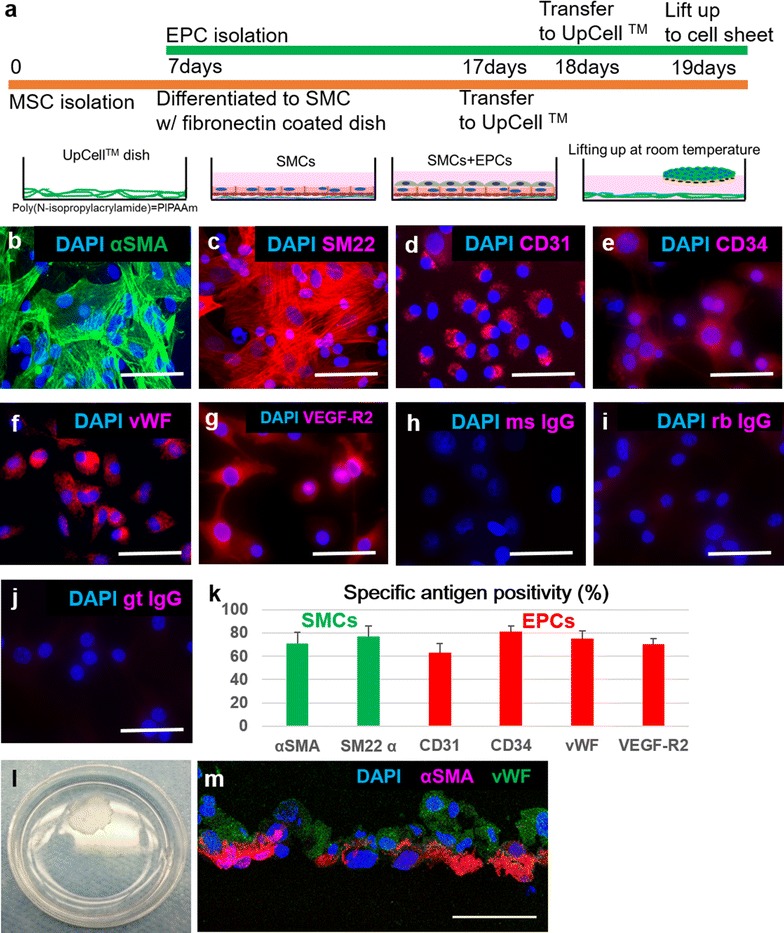
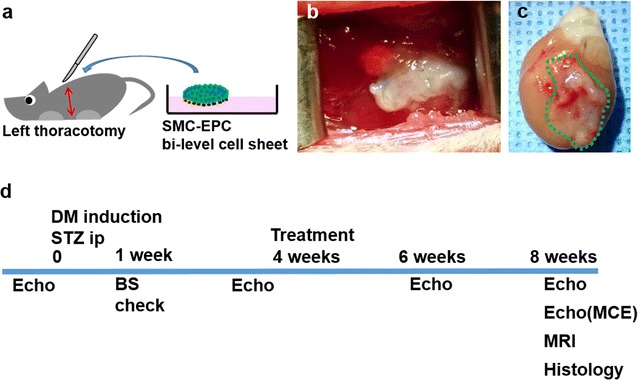
Primary mesenchymal stem cells (MSCs) and EPCs were isolated from the bone marrow of Wistar rats, and MSCs were differentiated into SMCs by culturing on a fibronectin-coated dish. SMCs topped with EPCs were detached from a temperature-responsive culture dish to create an SMC-EPC bi-level cell sheet. A DMCM model was induced by intraperitoneal streptozotocin injection. Four weeks after induction, rats were randomized into 3 groups: control (no DMCM induction), untreated DMCM, and treated DMCM (cell sheet transplant covering the anterior surface of the left ventricle).
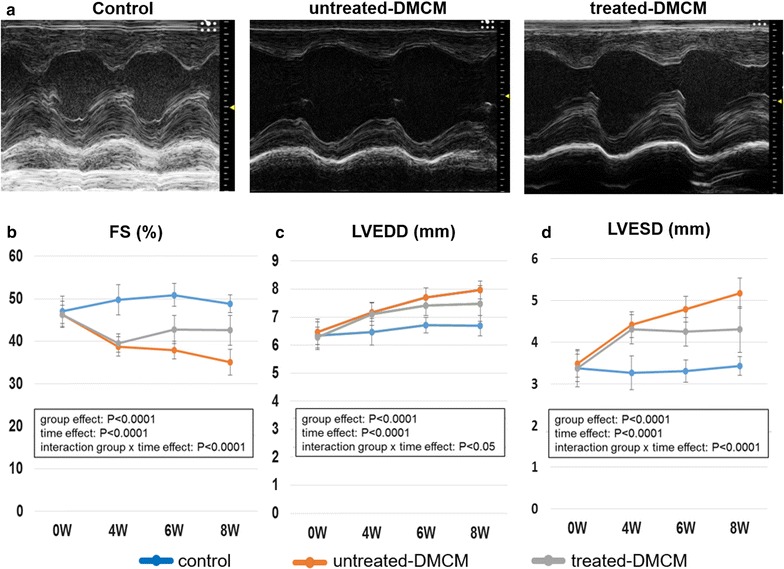
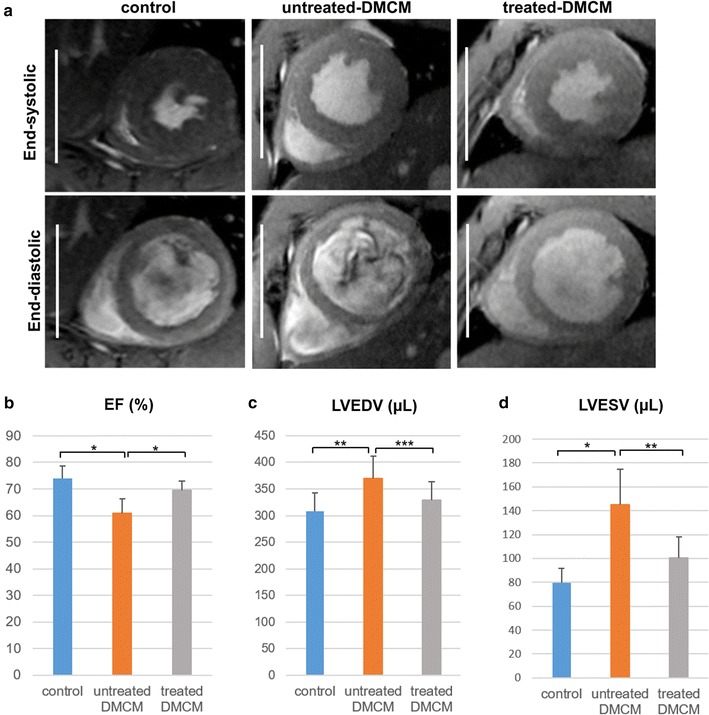
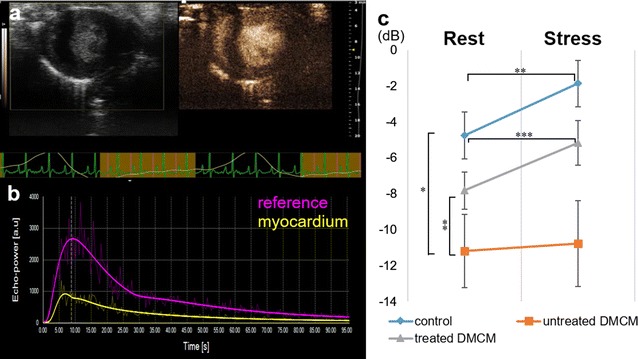
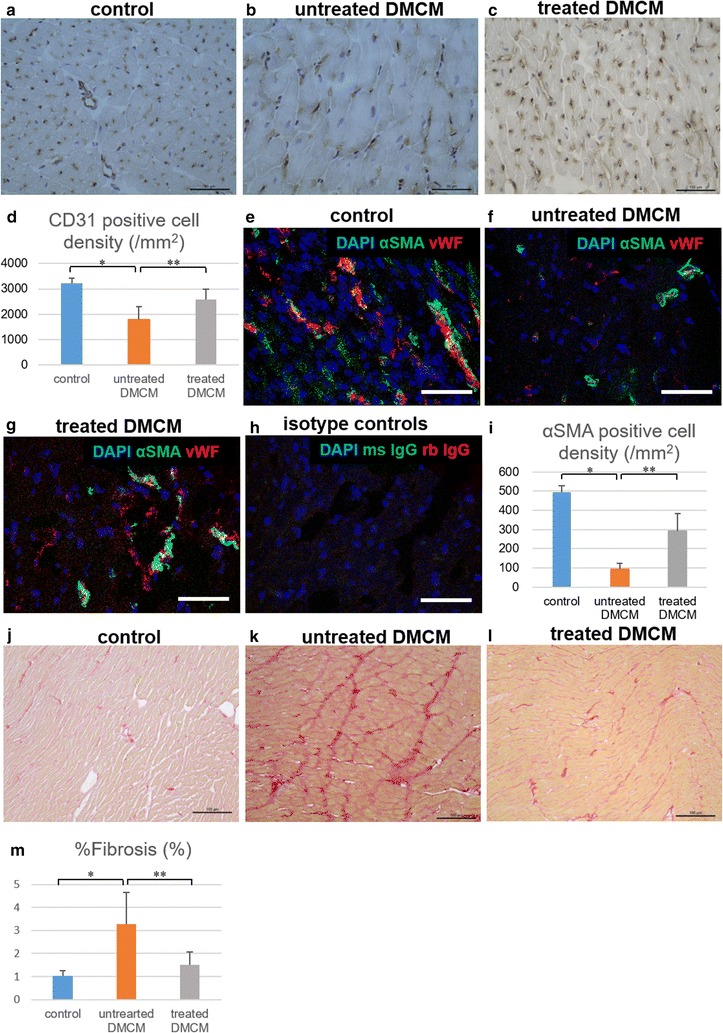
SMC-EPC cell sheet therapy preserved cardiac function and halted adverse ventricular remodeling, as demonstrated by echocardiography and cardiac magnetic resonance imaging at 8 weeks after DMCM induction. Myocardial contrast echocardiography demonstrated that myocardial perfusion and microvascular function were preserved in the treatment group compared with untreated animals. Histological analysis demonstrated decreased interstitial fibrosis and increased microvascular density in the SMC-EPC cell sheet-treated group.
Treatment of DMCM with tissue-engineered SMC-EPC bi-level cell sheets prevented cardiac dysfunction and microvascular disease associated with DMCM. This multi-lineage cellular therapy is a novel, translatable approach to improve microvascular disease and prevent heart failure in diabetic patients.
糖尿病是冠状动脉疾病和糖尿病性心肌病的一个危险因素,会对冠状动脉旁路移植术后的结果产生不利影响。目前的治疗方法侧重于宏观再血管化,而忽略了糖尿病性心肌病(DMCM)的典型微血管疾病。我们假设工程化平滑肌细胞(SMC)-内皮祖细胞(EPC)双层细胞片可以改善 DMCM 的心室功能障碍。
从 Wistar 大鼠的骨髓中分离出原代间充质干细胞(MSCs)和 EPCs,并通过在纤维连接蛋白涂层培养皿上培养将 MSCs 分化为 SMCs。将 EPC 覆盖在 SMC 上的细胞从温度响应培养皿上脱离,以形成 SMC-EPC 双层细胞片。通过腹腔注射链脲佐菌素诱导 DMCM 模型。诱导后 4 周,将大鼠随机分为 3 组:对照组(无 DMCM 诱导)、未治疗的 DMCM 组和治疗的 DMCM 组(细胞片移植覆盖左心室前表面)。
SMC-EPC 细胞片治疗在 DMCM 诱导后 8 周通过超声心动图和心脏磁共振成像保存了心脏功能并阻止了不良的心室重构。心肌对比超声心动图显示,与未治疗的动物相比,治疗组的心肌灌注和微血管功能得到了保留。组织学分析显示,SMC-EPC 双层细胞片治疗组的间质纤维化减少,微血管密度增加。
用组织工程化 SMC-EPC 双层细胞片治疗 DMCM 可防止与 DMCM 相关的心脏功能障碍和微血管疾病。这种多谱系细胞治疗是一种新颖的、可转化的方法,可以改善微血管疾病并预防糖尿病患者的心力衰竭。