Gachau Susan, Ayieko Philip, Gathara David, Mwaniki Paul, Ogero Morris, Akech Samuel, Maina Michuki, Agweyu Ambrose, Oliwa Jacquie, Oliwa Jacqiue, Julius Thomas, Malla Lucas, Wafula James, Mbevi George, Irimu Grace, English Mike
Kenya Medical Research Institute (KEMRI), Wellcome Trust Research Programme, Nairobi, Kenya.
Nuffield Department of Medicine, University of Oxford, Oxford, UK.
BMJ Glob Health. 2017 Oct 23;2(4):e000468. doi: 10.1136/bmjgh-2017-000468. eCollection 2017.
Audit and feedback (A&F) is widely used in healthcare but there are few examples of how to deploy it at scale in low-income countries. Establishing the Clinical Information Network (CIN) in Kenya provided an opportunity to examine the effect of A&F delivered as part of a wider set of activities to promote paediatric guideline adherence.
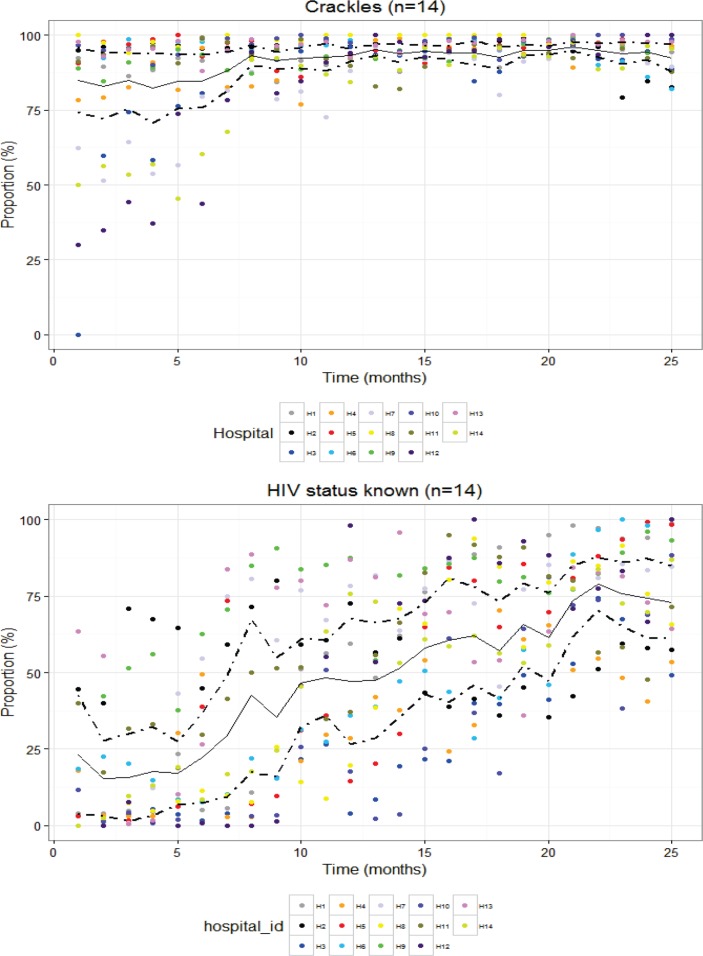
We analysed data collected from medical records on discharge for children aged 2-59 months from 14 Kenyan hospitals in the CIN. Hospitals joined CIN in phases and for each we analysed their initial 25 months of participation that occurred between December 2013 and March 2016. A total of 34 indicators of adherence to recommendations were selected for evaluation each classified by form of feedback (passive, active and none) and type of task (simple or difficult documentation and those requiring cognitive work). Performance change was explored graphically and using generalised linear mixed models with attention given to the effects of time and use of a standardised paediatric admission record (PAR) form.
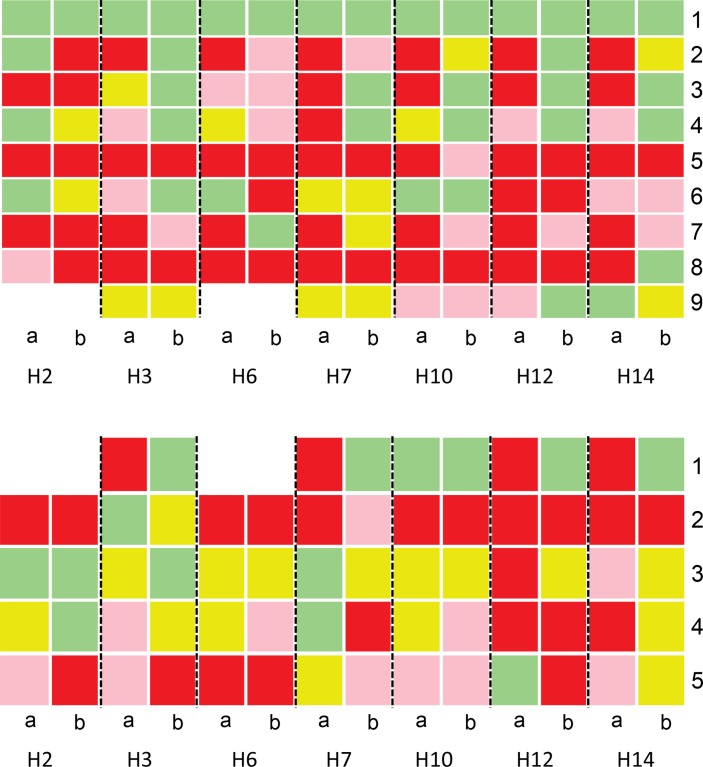
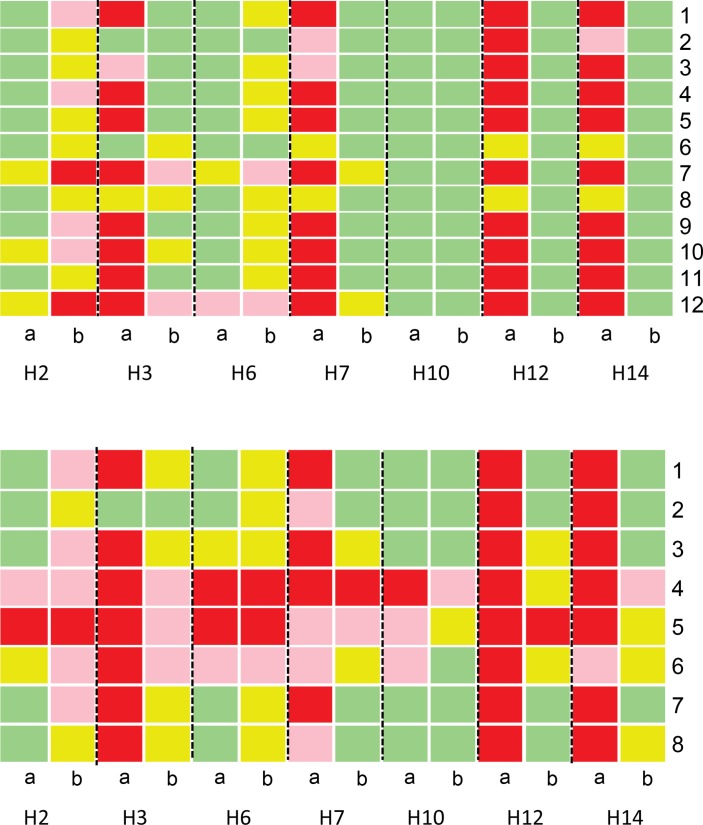
Data from 60 214 admissions were eligible for analysis. Adherence to recommendations across hospitals significantly improved for 24/34 indicators. Improvements were not obviously related to nature of feedback, may be related to task type and were related to PAR use in the case of documentation indicators. There was, however, marked variability in adoption and adherence to recommended practices across sites and indicators. Hospital-specific factors, low baseline performance and specific contextual changes appeared to influence the magnitude of change in specific cases.
Our observational data suggest some change in multiple indicators of adherence to recommendations (aspects of quality of care) can be achieved in low-resource hospitals using A&F and simple job aides in the context of a wider network approach.
审核与反馈(A&F)在医疗保健领域被广泛使用,但在低收入国家如何大规模部署它的例子却很少。在肯尼亚建立临床信息网络(CIN)为检验作为促进儿科指南依从性的一系列更广泛活动的一部分所提供的审核与反馈的效果提供了一个机会。
我们分析了从CIN中14家肯尼亚医院的2至59个月大儿童出院病历中收集的数据。医院分阶段加入CIN,对于每家医院,我们分析了其在2013年12月至2016年3月期间最初参与的25个月的数据。总共选择了34个依从性指标进行评估,每个指标按反馈形式(被动、主动和无)和任务类型(简单或困难的文档记录以及需要认知工作的任务)进行分类。通过图形探索性能变化,并使用广义线性混合模型,同时关注时间的影响以及标准化儿科入院记录(PAR)表格的使用情况。
来自60214例入院病例的数据符合分析条件。24/34个指标在各医院的建议依从性显著提高。改善情况与反馈性质无明显关联,可能与任务类型有关,对于文档记录指标而言与PAR的使用有关。然而,各地点和指标在采用和遵循推荐做法方面存在显著差异。医院特定因素、低基线表现和特定背景变化似乎影响了特定案例中的变化幅度。
我们的观察数据表明,在资源匮乏的医院中,在更广泛的网络方法背景下,使用审核与反馈和简单的工作辅助工具,可以在多个建议依从性指标(护理质量方面)上实现一些改变。