Department of Neuroscience, Tufts University School of Medicine, Boston, MA 02111.
Neuroscience Program, Tufts Sackler School of Biomedical Sciences, Boston, MA 02111.
eNeuro. 2017 Nov 6;4(5). doi: 10.1523/ENEURO.0316-17.2017. eCollection 2017 Sep-Oct.
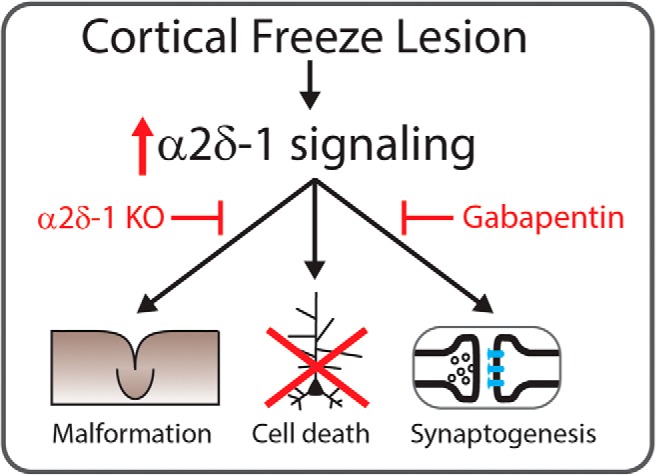
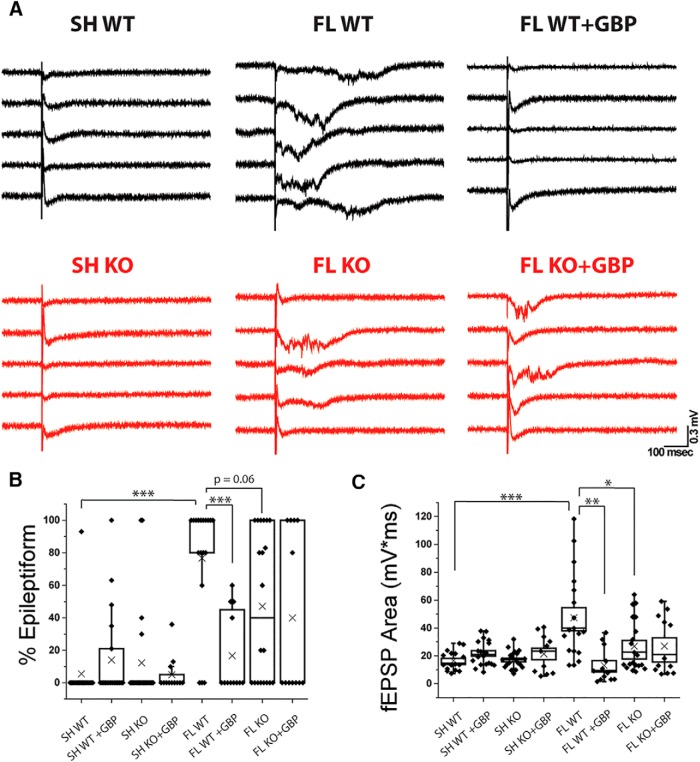
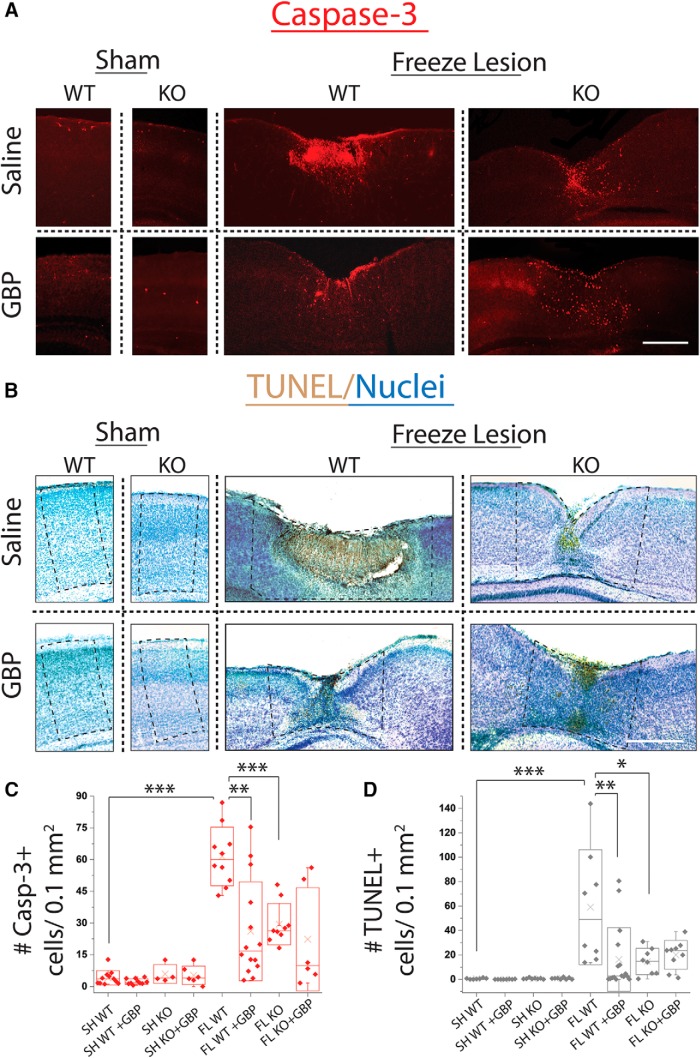
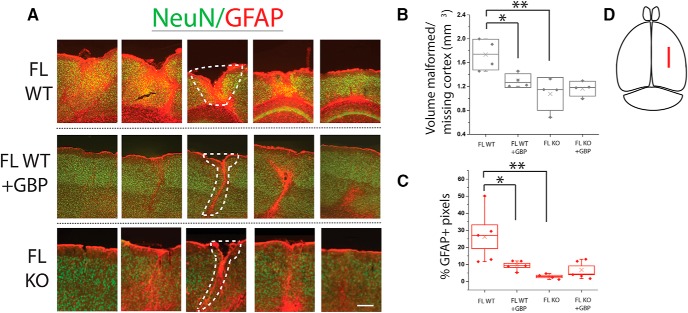
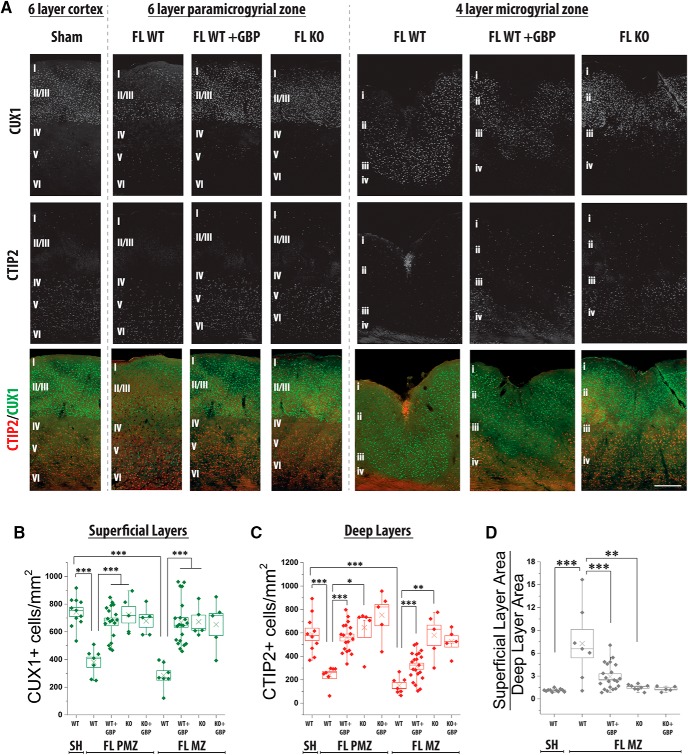
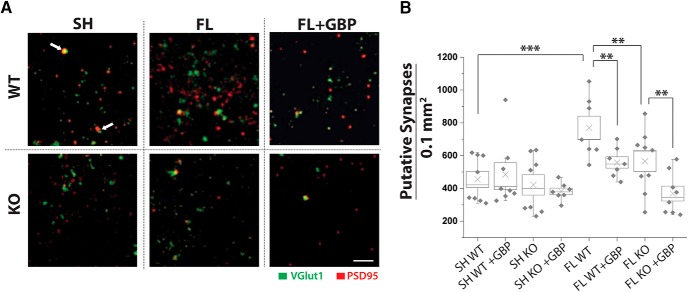
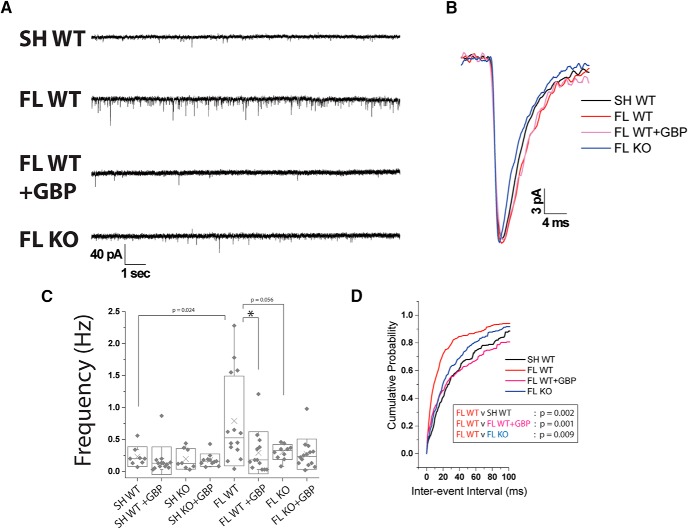
Developmental cortical malformations (DCMs) result from pre- and perinatal insults, as well as genetic mutations. Hypoxia, viral infection, and traumatic injury are the most common environmental causes of DCMs, and are associated with the subsyndromes focal polymicrogyria and focal cortical dysplasia (FCD) Type IIId, both of which have a high incidence of epilepsy. Understanding the molecular signals that lead to the formation of a hyperexcitable network in DCMs is critical to devising novel treatment strategies. In a previous study using the freeze-lesion (FL) murine model of DCM, we found that levels of thrombospondin (TSP) and the calcium channel auxiliary subunit α2δ-1 were elevated. TSP binds to α2δ-1 to drive the formation of excitatory synapses during development, suggesting that overactivation of this pathway may lead to exuberant excitatory synaptogenesis and network hyperexcitability seen in DCMs. In that study, antagonizing TSP/α2δ-1 signaling using the drug gabapentin (GBP) reduced many FL-induced pathologies. Here, we used mice with a genetic deletion of α2δ-1 to determine how α2δ-1 contributes to cell death, elevated excitatory synapse number, and in vitro network function after FL and to examine the molecular specificity of GBP's effects. We identified a critical role for α2δ-1 in FL-induced pathologies and in mediating the neuroprotective effects of GBP. Interestingly, genetic deletion of α2δ-1 did not eliminate GBP's effects on synaptogenesis, suggesting that GBP can have α2δ-1-independent effects. Taken together these studies suggests that inhibiting α2δ-1 signaling may have therapeutic promise to reduce cell death and network reorganization associated with insult-induced DCMs.
发育性皮质畸形(DCM)是由产前和围产期损伤以及基因突变引起的。缺氧、病毒感染和创伤是 DCM 最常见的环境原因,与局灶性多微脑回和局灶性皮质发育不良(FCD)III 亚型有关,这两种亚型都有很高的癫痫发病率。了解导致 DCM 中形成兴奋性网络的分子信号对于设计新的治疗策略至关重要。在之前使用 DCM 的冷冻损伤(FL)鼠模型的研究中,我们发现血小板反应蛋白(TSP)和钙通道辅助亚基α2δ-1 的水平升高。TSP 与α2δ-1 结合,在发育过程中驱动兴奋性突触的形成,这表明该途径的过度激活可能导致 DCM 中过度的兴奋性突触发生和网络兴奋。在该研究中,使用药物加巴喷丁(GBP)拮抗 TSP/α2δ-1 信号,减少了许多 FL 诱导的病变。在这里,我们使用基因敲除α2δ-1 的小鼠来确定α2δ-1 如何导致 FL 后细胞死亡、兴奋性突触数量增加和体外网络功能,并检查 GBP 作用的分子特异性。我们确定了α2δ-1 在 FL 诱导的病变和介导 GBP 的神经保护作用中的关键作用。有趣的是,α2δ-1 的基因缺失并没有消除 GBP 对突触发生的影响,这表明 GBP 可以具有与α2δ-1 无关的作用。这些研究表明,抑制α2δ-1 信号可能具有治疗潜力,可减少与损伤诱导的 DCM 相关的细胞死亡和网络重组。